

Freeing up space without removing anything sounds impossible, but it is actually a design problem, not a storage problem. The way furniture is arranged, how light moves, and how surfaces are styled can completely change how large a space feels. Most apartments feel cramped not because of too many things, but because of poor visual balance. When everything is positioned with intention, the room instantly feels more open. These ideas focus on shifting perception rather than reducing items. You will keep everything you own, but your space will feel bigger, calmer, and more breathable.
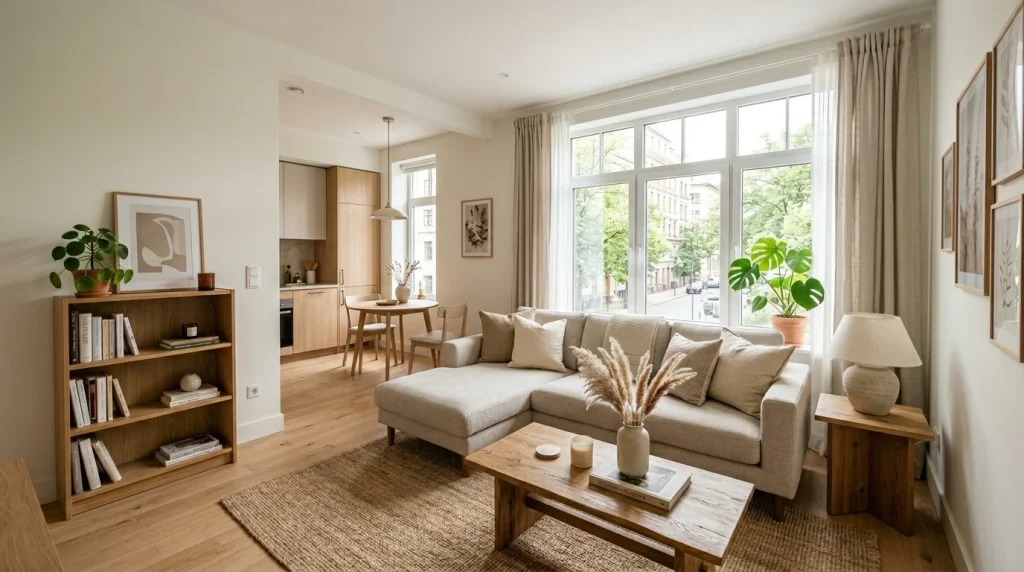
1. The Diagonal Furniture Layout Shift
Placing key furniture pieces slightly angled instead of straight against walls changes how the room is perceived. This breaks rigid lines and creates movement. The space feels more dynamic and less boxed in. It also opens up unexpected walking paths. The room instantly feels less tight. A simple layout shift creates more perceived space.
2. The Visual Weight Balancing Trick
Distributing heavy-looking furniture evenly across the room prevents one side from feeling crowded. When everything is balanced, the space feels lighter. This reduces visual pressure. The room appears more open without removing anything. Balance improves flow naturally. It is a subtle but powerful shift.
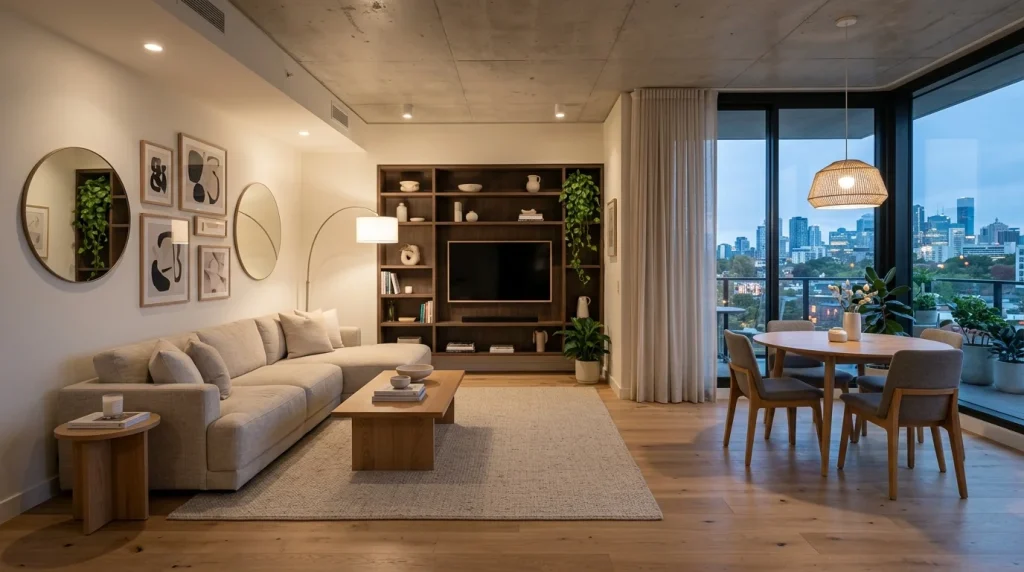
3. The Low Furniture Line Strategy
Using low-height furniture creates more visible wall space above. This makes ceilings appear higher. The room feels larger instantly. Even with the same items, the perception changes. The space looks more open and breathable. Height illusion is key here.

4. The Continuous Color Flow Technique
Using the same color palette across furniture and walls removes visual breaks. This creates a seamless look. The eye moves smoothly across the room. The space feels larger because it is not divided visually. Everything blends together. Cohesion creates openness.

5. The Floating Effect Illusion
Choosing furniture with visible legs creates space underneath. This allows the eye to travel across the floor. The room feels lighter and less crowded. Even bulky furniture looks less heavy. It improves visual openness instantly. A small detail with big impact.

6. The Open Pathway Re-Alignment
Adjusting furniture to create clear walking paths improves flow. Even small blockages can make a room feel tight. Open pathways make movement easier. The space feels more functional and spacious. Everything stays, but placement changes. Flow defines space perception.
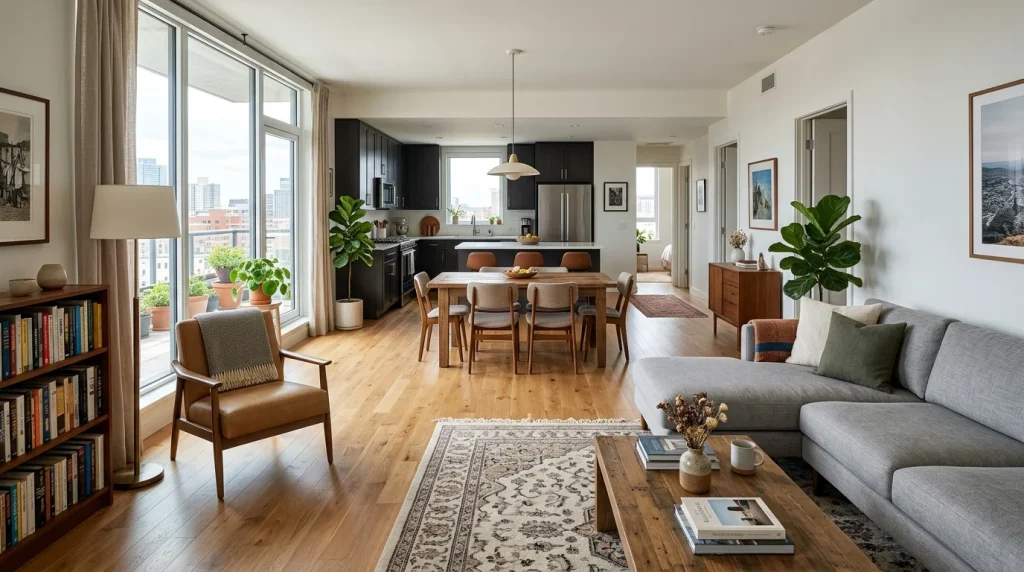
7. The Mirror Angle Reflection Trick
Placing mirrors at angles instead of flat on walls reflects more of the room. This creates depth and dimension. The space feels expanded. Light is also amplified. The room appears brighter and larger. Strategic reflection changes everything.
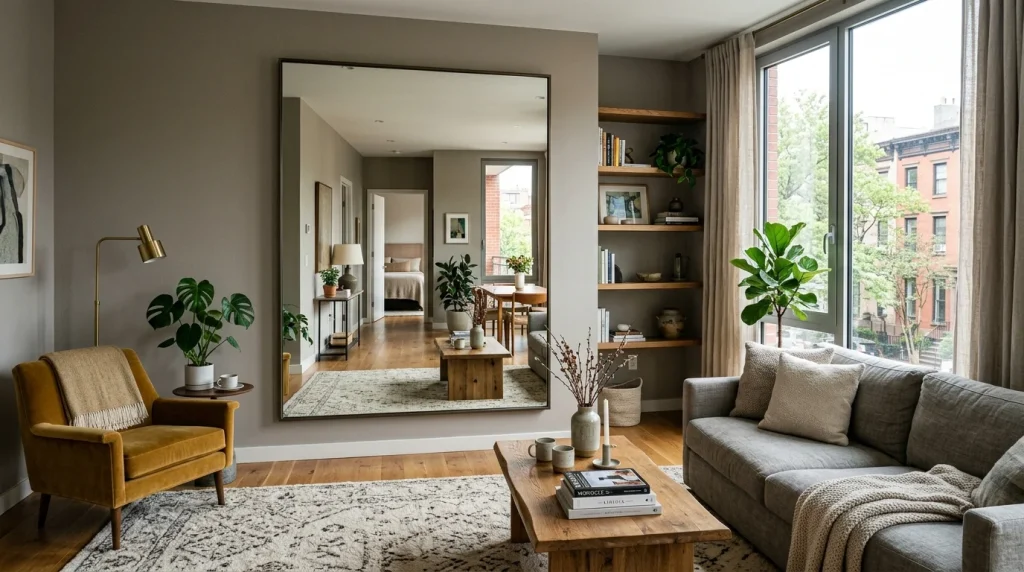
8. The Light Layering Expansion
Using multiple light sources instead of one central light removes dark corners. Evenly lit spaces feel larger. Shadows often make rooms feel smaller. Layered lighting creates depth. The atmosphere becomes more open. Light defines space.
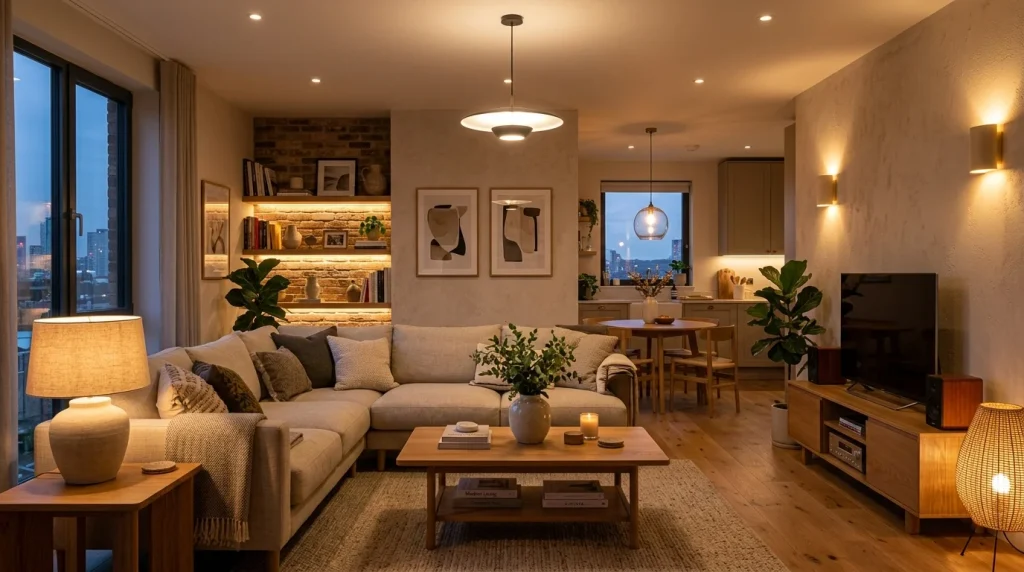
9. The Furniture Spacing Micro-Gaps
Leaving small gaps between furniture and walls creates breathing space. Pushing everything tightly against walls can feel heavy. Micro-spacing improves flow. The room looks more intentional. It feels less cramped instantly. Small shifts make big changes.
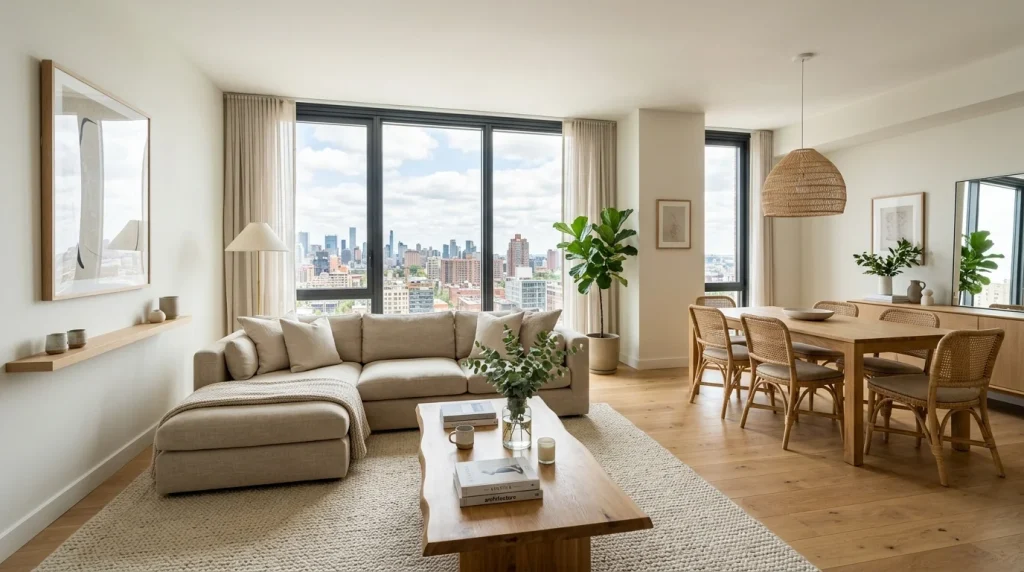
10. The Transparent Material Trick
Using glass or acrylic elements reduces visual blockage. These materials allow light to pass through. The room feels less crowded. Furniture becomes less visually heavy. The layout appears more open. Transparency creates space.
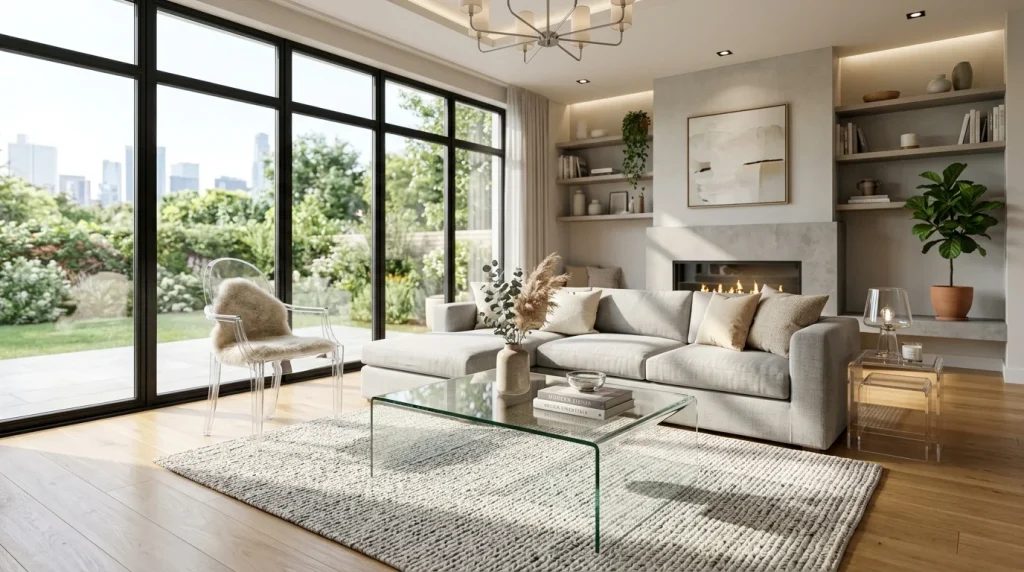
11. The Vertical Line Emphasis
Adding vertical elements like tall curtains or wall panels draws the eye upward. This makes the room feel taller. Height creates a sense of space. Even without removing items, the perception changes. Vertical flow improves openness. A visual trick that works instantly.

12. The Zoned Layout Clarity
Defining zones within a room improves organization visually. When areas are clearly separated, the space feels structured. It reduces visual chaos. Everything has its place. The room feels larger because it is organized. Structure creates space.

13. The Ceiling Focus Shift
Drawing attention to the ceiling with subtle design or lighting shifts focus upward. This expands perceived height. The room feels less confined. It changes how space is experienced. Vertical attention creates openness. A unique visual trick.
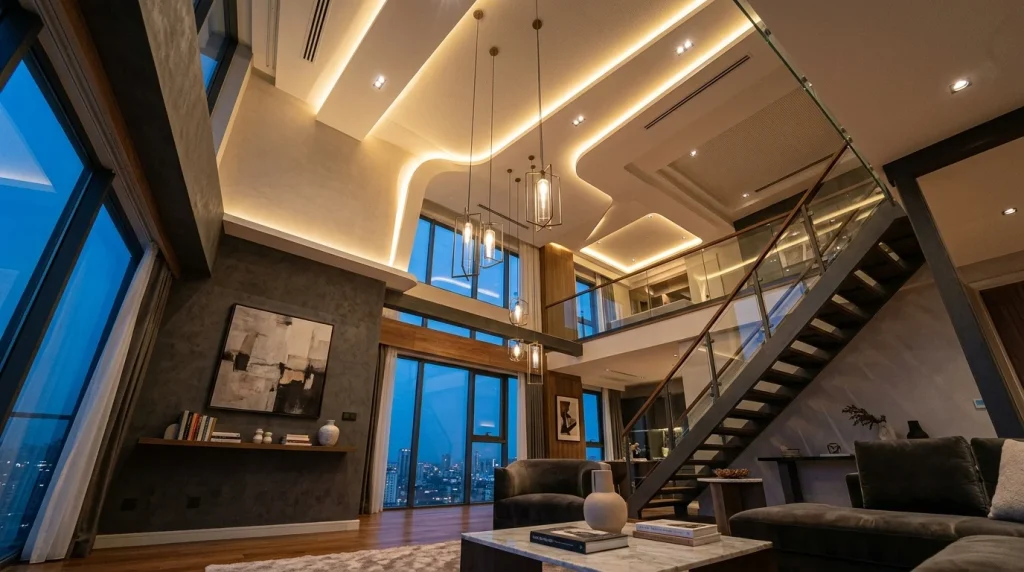
14. The Symmetry Alignment Trick
Arranging furniture symmetrically creates visual calm. Balanced layouts feel more spacious. The room looks organized instantly. Symmetry reduces visual clutter. Everything appears intentional. Order creates openness.

15. The Soft Edge Furniture Choice
Rounded edges on furniture improve flow and movement. Sharp corners can feel restrictive. Curved lines soften the layout. The room feels more open and fluid. Movement becomes easier visually. Shape affects perception.

16. The Wall Art Scaling Strategy
Using fewer but larger art pieces instead of many small ones reduces visual clutter. Large art simplifies the wall. The room feels cleaner. It also creates a focal point. The space looks more open. Scale matters more than quantity.

17. The Light Fabric Softening Effect
Soft, lightweight fabrics create an airy feel. Heavy fabrics can make spaces feel dense. Light textures improve flow. The room feels more breathable. Even with the same items, the atmosphere changes. Texture influences space perception.

18. The Multi-Angle Viewing Layout
Designing the room to look good from multiple angles improves openness. When every view feels balanced, the space feels larger. There are no heavy or blocked corners. Movement flows naturally. The room feels cohesive. Perspective shapes experience.
FAQs
1. Can a space feel bigger without removing anything?
Yes, by changing layout, lighting, and visual balance, you can completely transform how a space feels. Perception matters more than quantity. Smart design creates openness.
2. What is the fastest way to make a room feel larger?
Improve lighting, adjust furniture placement, and reduce visual breaks. Even small changes can have instant impact. Focus on flow and balance.
3. Does furniture placement really matter that much?
Yes, placement affects movement, light, and visual weight. Poor layout makes spaces feel cramped. Good layout creates openness.
4. What is the biggest mistake people make in small apartments?
Pushing everything against walls and ignoring visual balance. This often makes spaces feel heavier. Thoughtful spacing works better.