
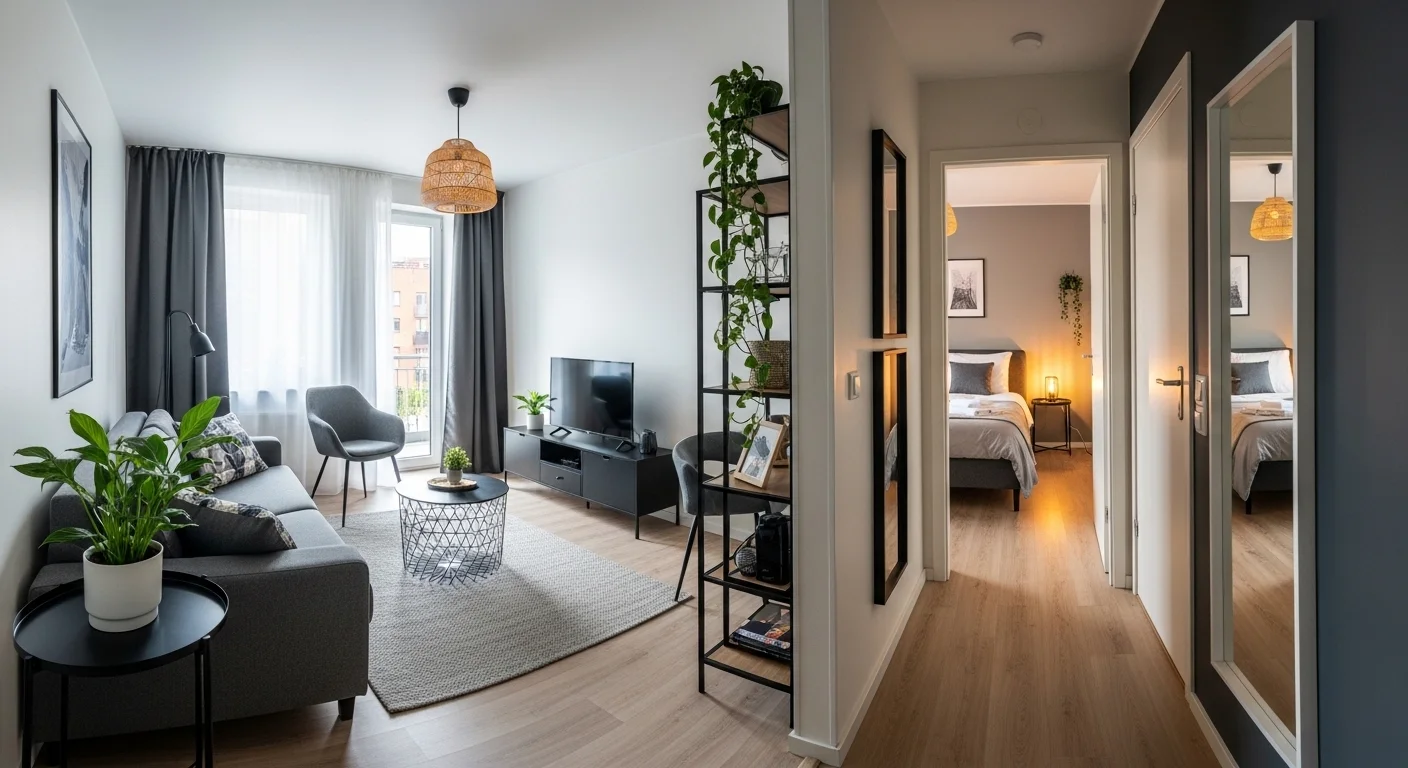
In small apartments, it’s often the overlooked spaces that have the most potential. Areas like tiny corners, narrow gaps, and unused wall sections are usually ignored, leaving valuable space unused.
With the right small apartment decor ideas for small overlooked spaces, you can turn these forgotten spots into functional and stylish features. These small upgrades can completely change how your home looks and feels.
This guide focuses on creative ways to decorate and utilize overlooked areas without adding clutter or overwhelming your space.
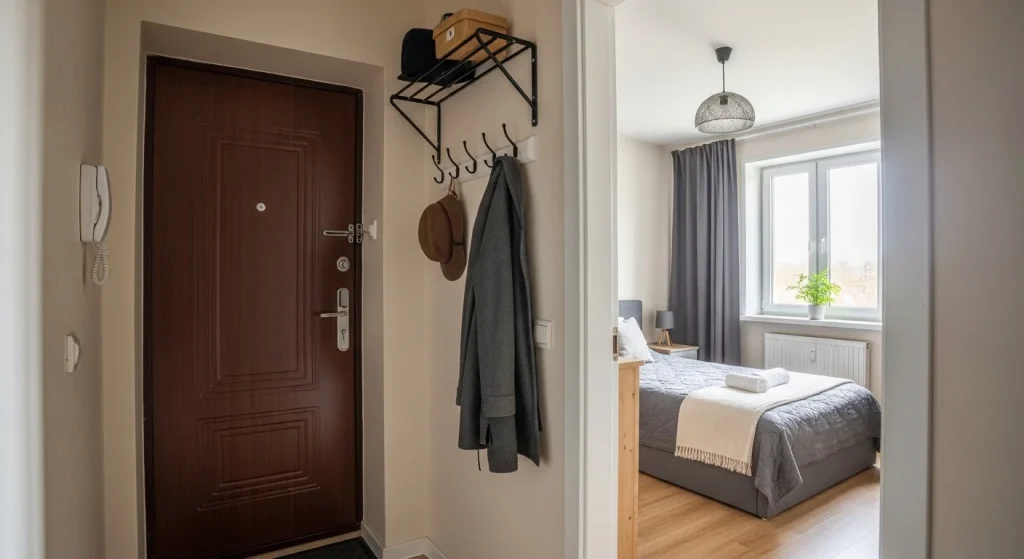
1. The Behind-the-Door Styling Zone
The space behind doors is often wasted but can be styled beautifully. Adding simple hooks or slim decor transforms it into a functional area. It keeps items organized without affecting the room layout. The space feels more utilized and intentional. It’s a hidden but useful upgrade. A great everyday solution.
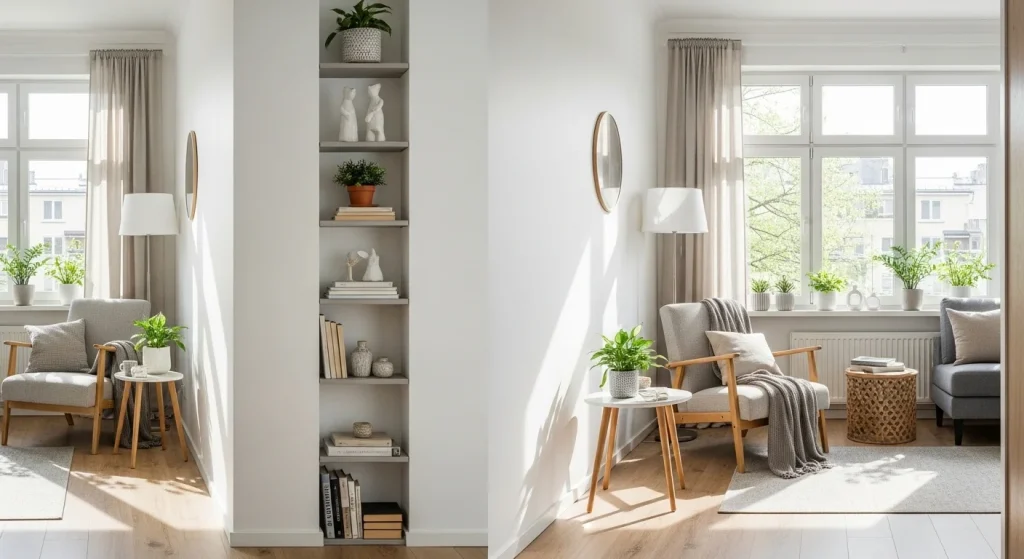
2. The Narrow Wall Gap Decor Strip
Thin wall gaps between furniture can become decorative features. Adding slim shelves or vertical decor enhances the space. It turns an unused strip into a design element. The room feels more complete and balanced. It maximizes every inch. A subtle yet effective idea.
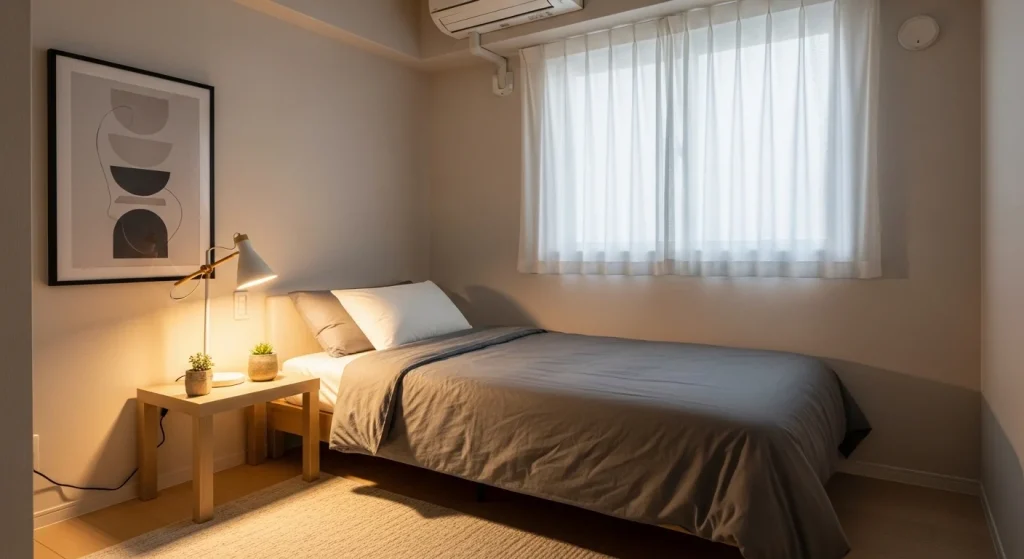
3. The Bedside Micro Corner Setup
A tiny corner beside the bed can be styled into a functional spot. It can hold small essentials or decor. Keeping it minimal avoids clutter. This space becomes more purposeful. It enhances bedroom organization. A compact but useful addition.
4. The Window Sill Styling Moment
Window sills are often underused but perfect for decor. Adding small elements creates a cozy focal point. It enhances natural light areas beautifully. The setup feels warm and inviting. It also connects indoor and outdoor spaces. A simple styling upgrade.
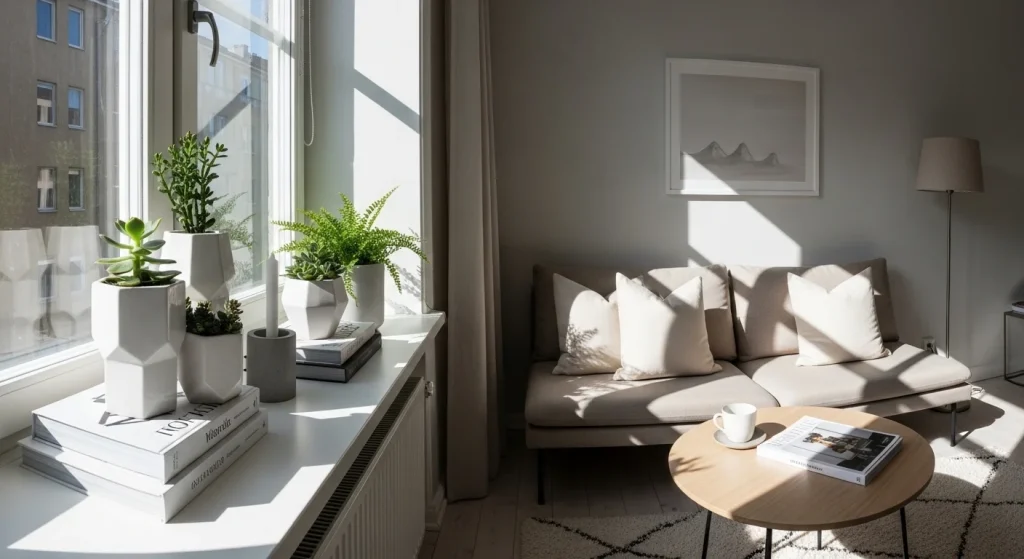
5. The Sofa Side Slim Space Use
The narrow space beside a sofa can be transformed into a functional spot. Adding a slim element keeps it practical. It prevents the area from feeling wasted. The setup improves overall layout efficiency. It blends seamlessly with the room. A smart space-saving idea.
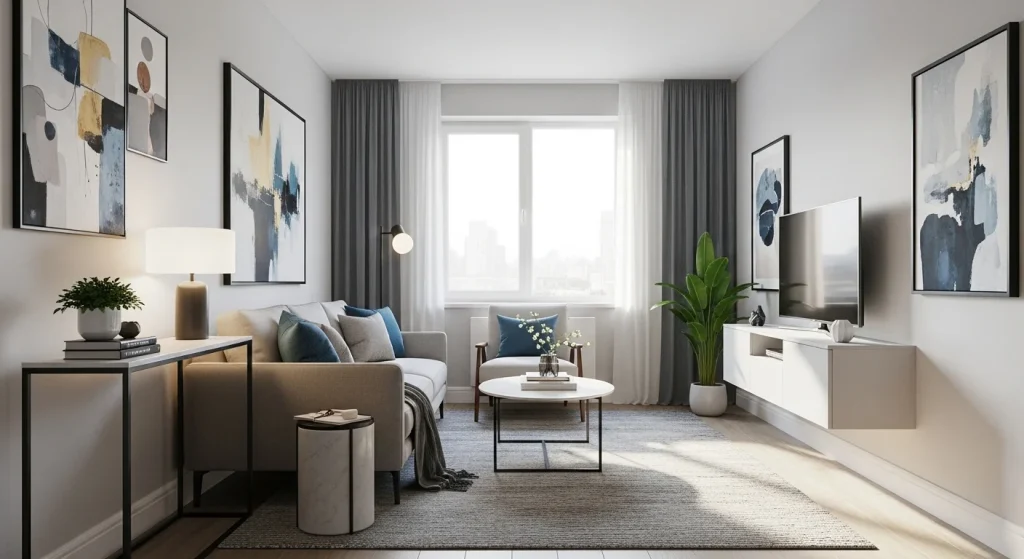
6. The Corner Floor Mini Display
A small floor corner can be styled as a minimal display area. It adds personality without clutter. Keeping decor simple enhances the effect. The space feels intentional. It fills empty corners beautifully. A subtle design enhancement.
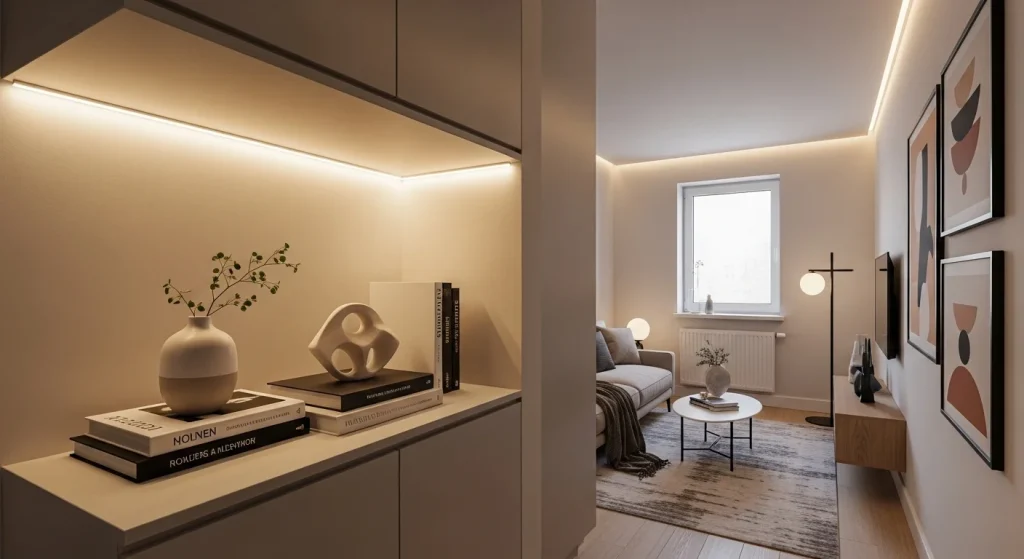
7. The Hallway End Styling Feature
The end of a hallway is often left empty but can be styled creatively. It creates a visual focal point. The setup makes the hallway feel complete. It enhances depth and structure. Keeping decor minimal maintains balance. A strong finishing touch.
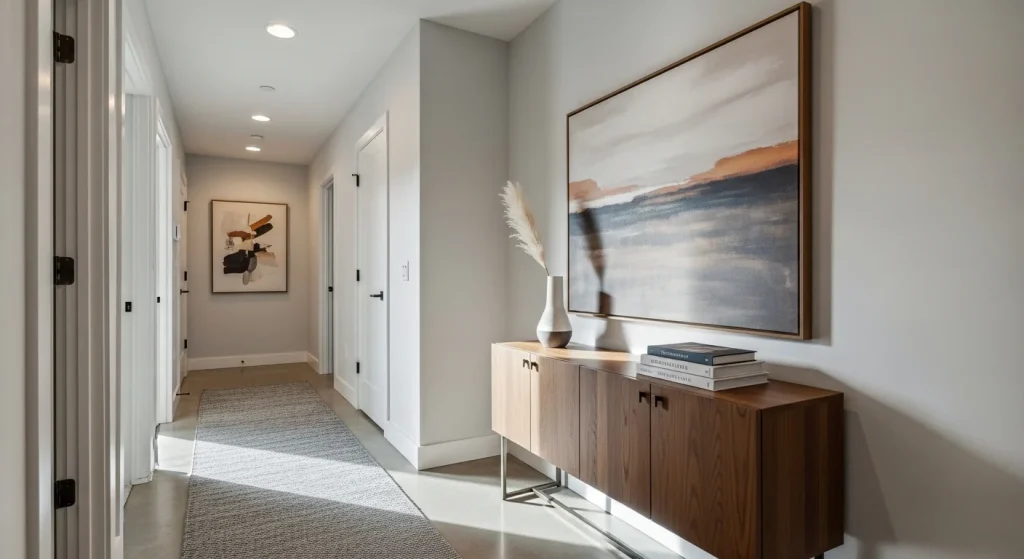
8. The Kitchen Counter Edge Detail
The small edge of a kitchen counter can be styled thoughtfully. It adds a decorative touch without affecting function. The setup feels clean and intentional. It enhances the kitchen aesthetic. Minimal styling works best here. A subtle upgrade.
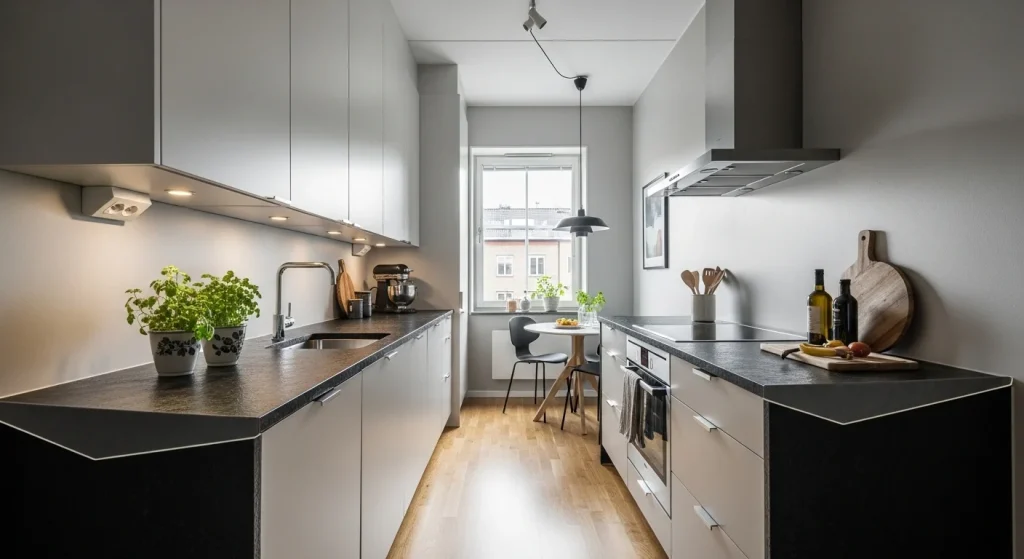
9. The Bathroom Wall Gap Styling
Tiny gaps in bathroom walls can hold functional decor. Adding small elements makes the space useful. It reduces clutter elsewhere. The setup feels organized and clean. It enhances the bathroom design. A smart use of limited space.
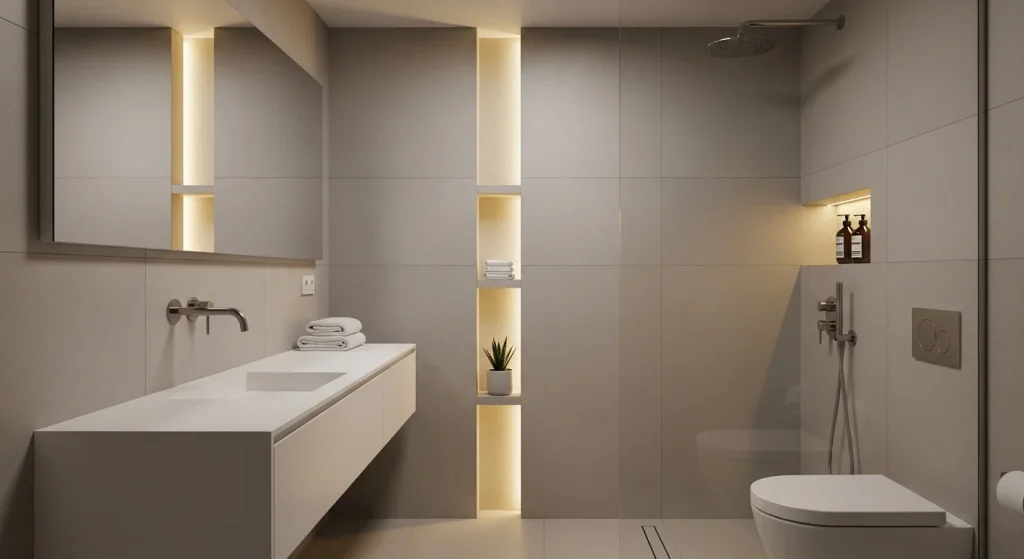
10. The Entry Corner Micro Setup
A small entry corner can be turned into a functional mini station. It helps organize daily essentials. The space feels more welcoming and structured. Keeping it compact avoids clutter. It improves daily routines. A practical decor solution.
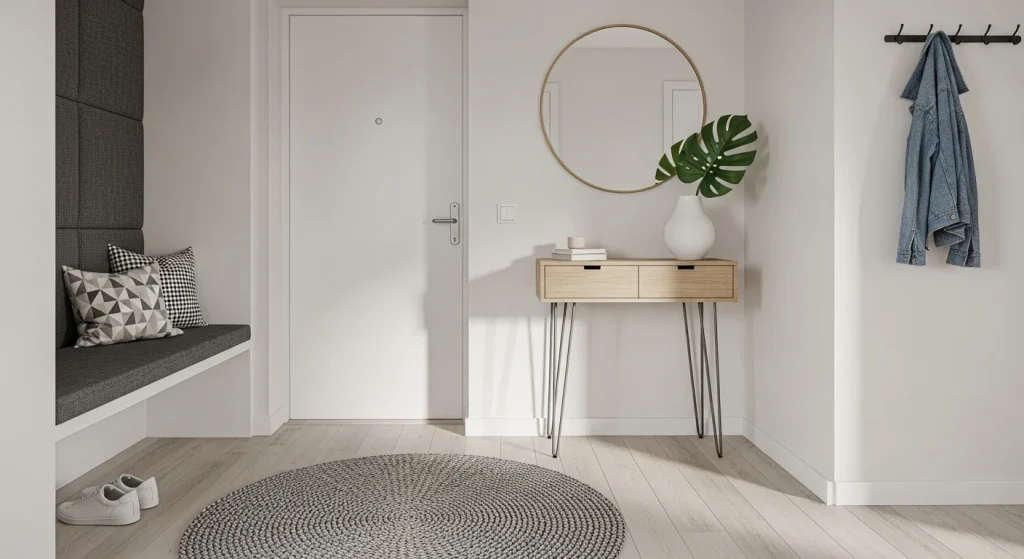
11. The TV Unit Side Gap Styling
The narrow gap beside a TV unit can be styled to avoid wasted space. It adds balance to the layout. The setup feels more complete. It prevents awkward empty areas. Minimal styling works best. A clean design fix.
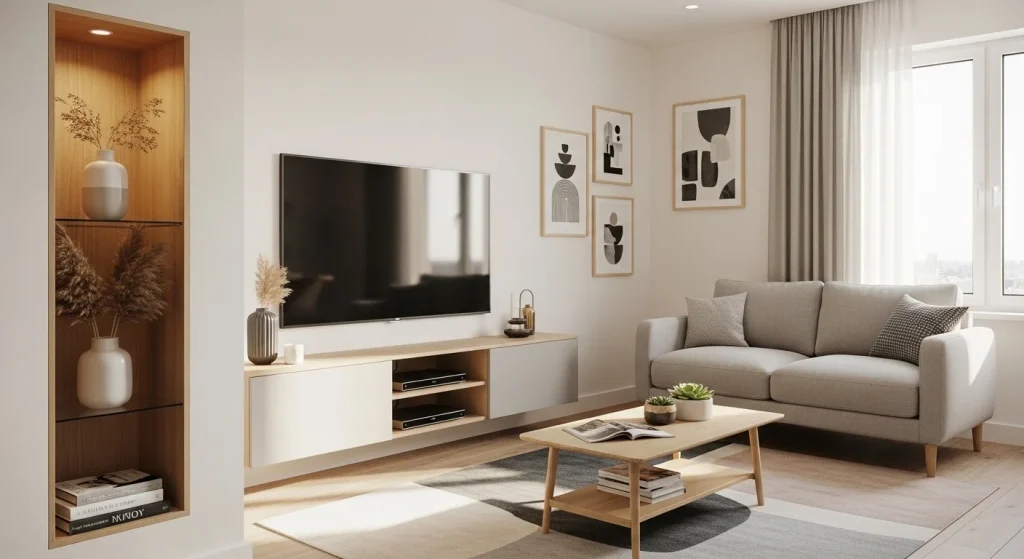
12. The Closet Top Hidden Decor Zone
The top of closets is often ignored but can hold decor or storage. It utilizes vertical space effectively. The setup keeps the room organized. It reduces clutter below. Keeping it neat is key. A smart overlooked area.
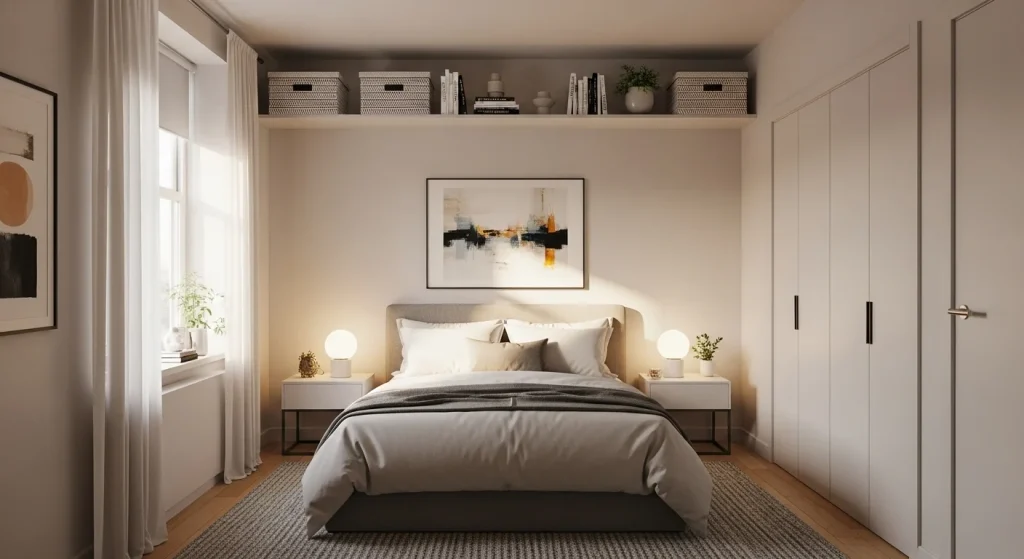
13. The Desk Side Micro Space Styling
The small space beside a desk can be used creatively. It helps keep the workspace organized. The setup feels intentional. It prevents clutter buildup. Minimal styling enhances functionality. A simple but useful idea.
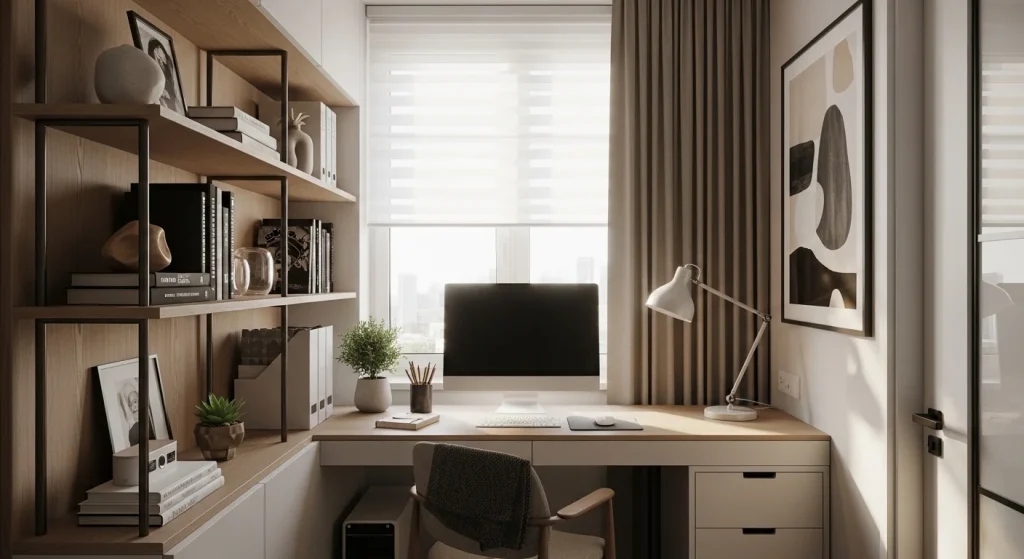
14. The Under-Stair Mini Styling Spot
If your apartment has even a small stair section or raised platform, the space beneath it can be styled beautifully. It often becomes wasted or cluttered. Turning it into a small decor zone makes it feel intentional. The area gains function without adding bulk. Keeping it minimal enhances openness. A clever use of hidden space.
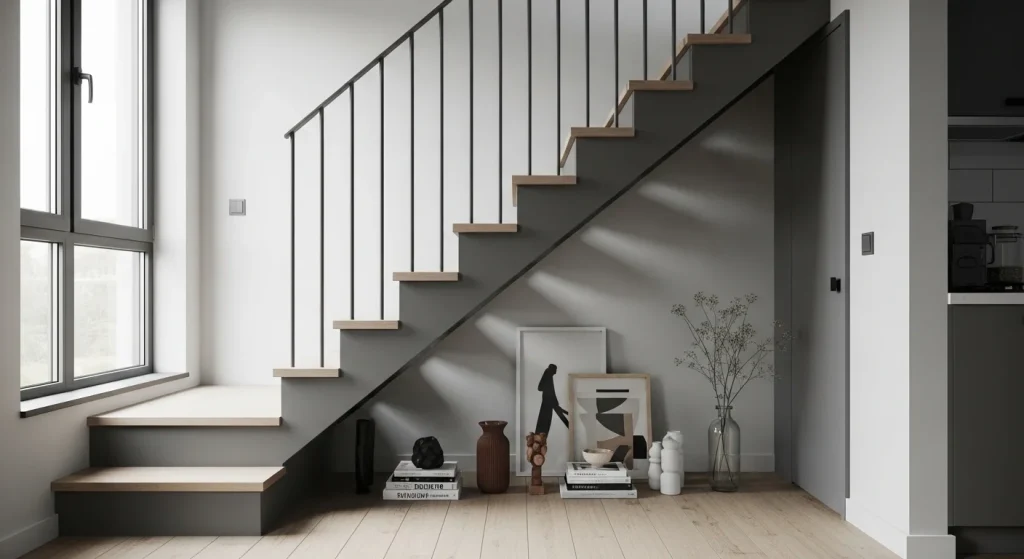
15. The Window Corner Floor Gap Setup
The small floor space near a window corner is often left empty. This area can be styled to enhance natural light zones. It adds warmth and visual balance. Keeping the setup low maintains openness. The corner feels more complete and cozy. A subtle but effective upgrade.
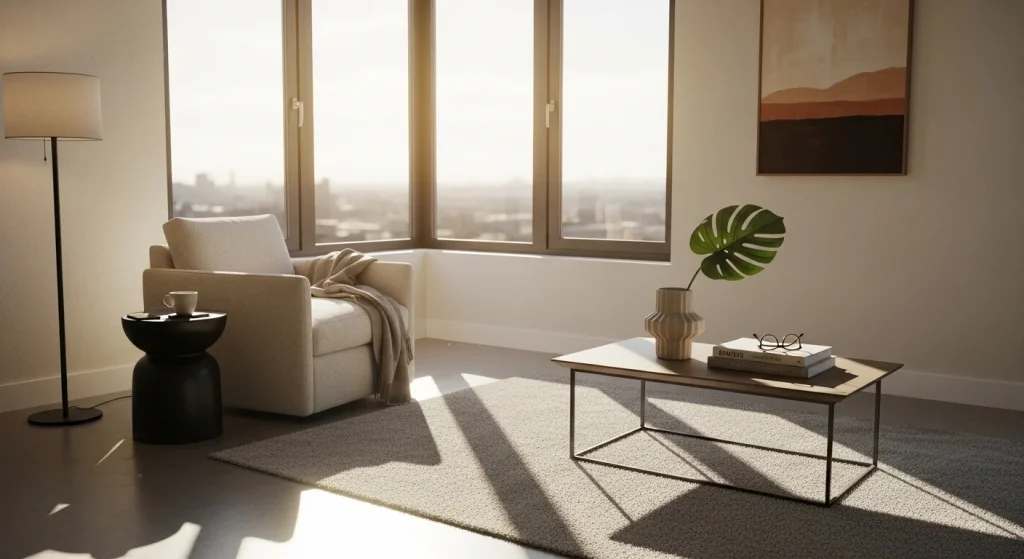
16. The Fridge Side Narrow Space Use
The slim space beside a fridge is often ignored but highly useful. It can be turned into a functional vertical area. This prevents wasted space in the kitchen. The layout becomes more efficient. Keeping it minimal ensures balance. A smart kitchen upgrade.
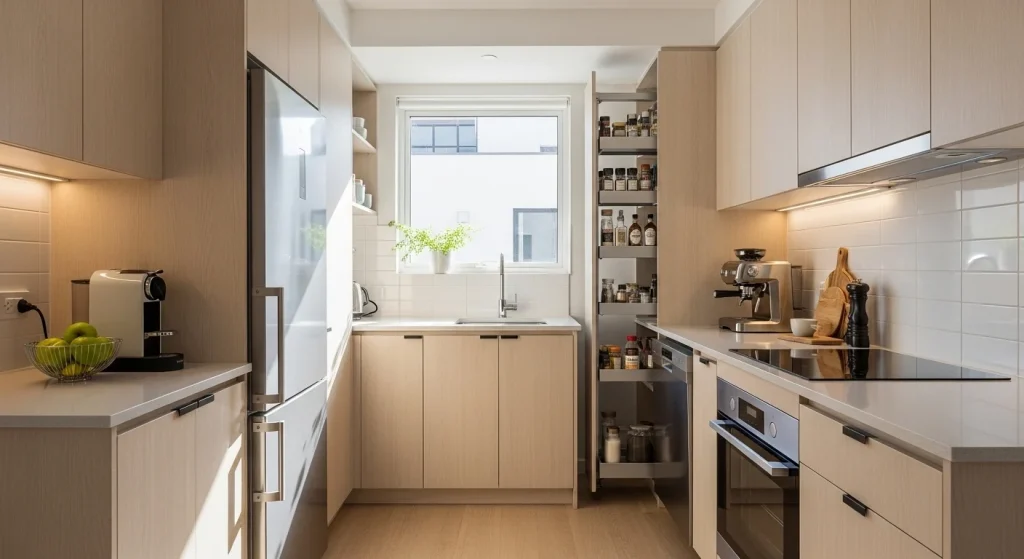
17. The Bathroom Door Back Styling
The back of a bathroom door is rarely used effectively. Adding simple elements can make it functional. It helps organize daily items neatly. The space becomes more efficient. It reduces clutter elsewhere. A hidden yet practical solution.
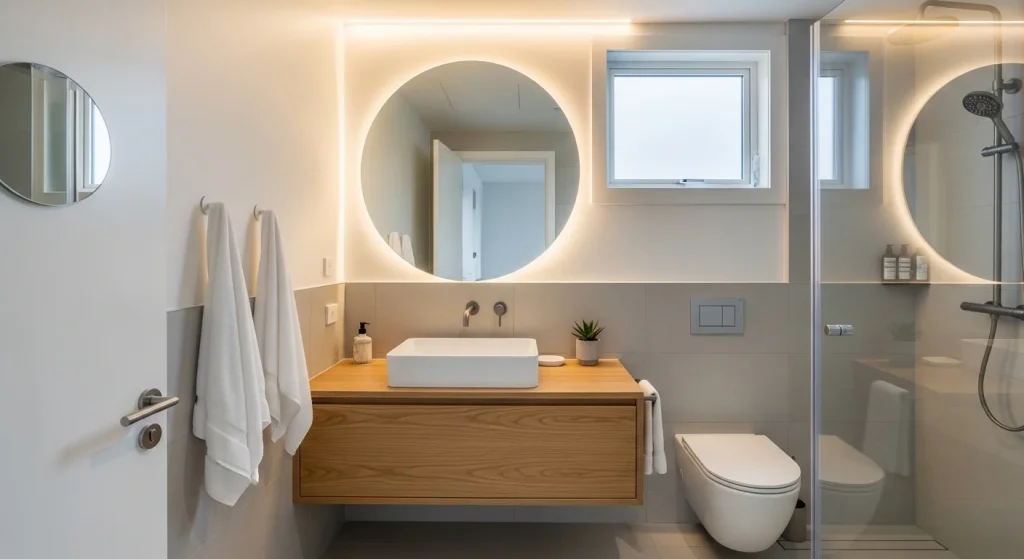
18. The Ceiling Edge Visual Detail
The upper edges near the ceiling can be styled subtly to enhance the room. This area is often overlooked completely. It adds vertical depth and character. Keeping it minimal avoids heaviness. The space feels more complete. A unique design touch.
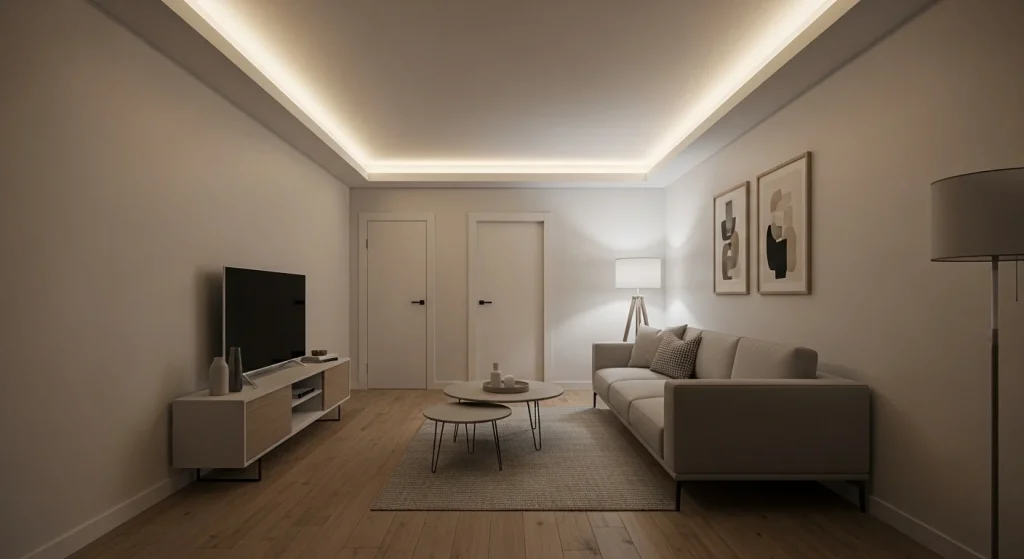
19. The Sofa Back Narrow Zone
The space behind a sofa is often wasted in small apartments. It can be styled to add function or subtle decor. This improves layout efficiency. The room feels more balanced. Keeping it slim avoids crowding. A smart overlooked area.
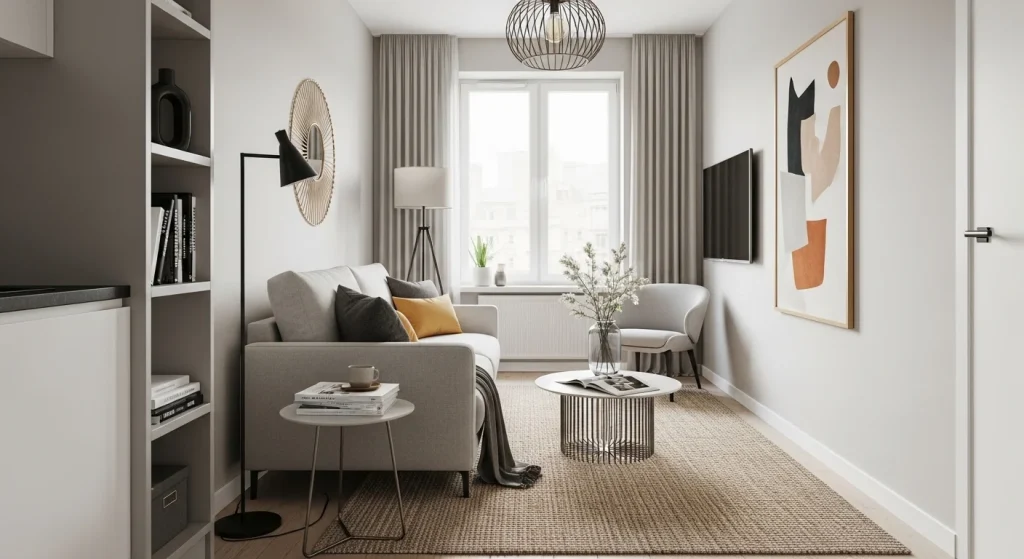
20. The Kitchen Cabinet Top Styling
The top of kitchen cabinets is often unused but perfect for decor or storage. It utilizes vertical space effectively. The kitchen feels more complete visually. Keeping items minimal avoids clutter. The setup enhances overall design. A practical overlooked space.
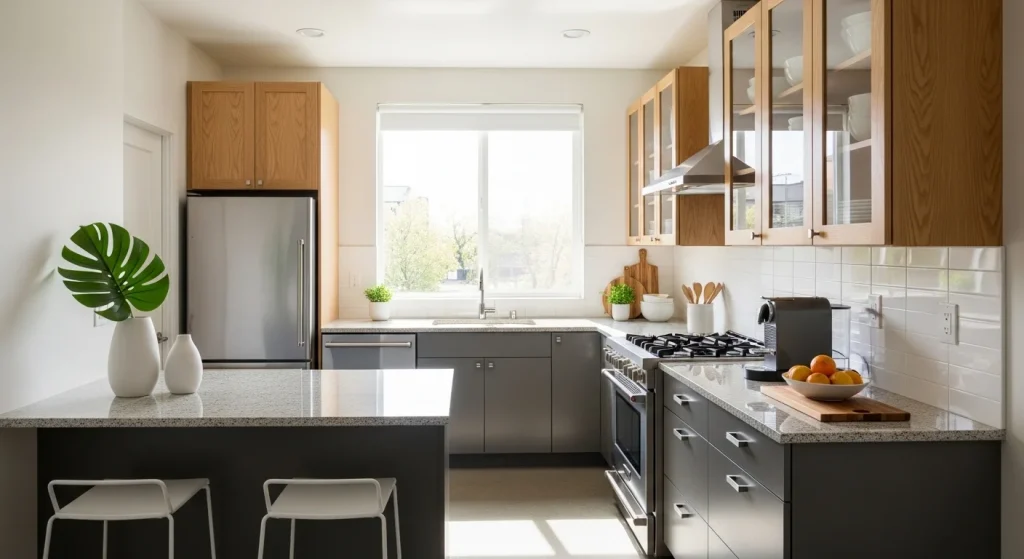
21. The Bed Foot Corner Styling Spot
The small area at the foot of the bed can be styled creatively. It often remains empty or cluttered. Turning it into a functional spot improves the bedroom layout. It adds balance to the room. Keeping it minimal maintains openness. A simple upgrade.
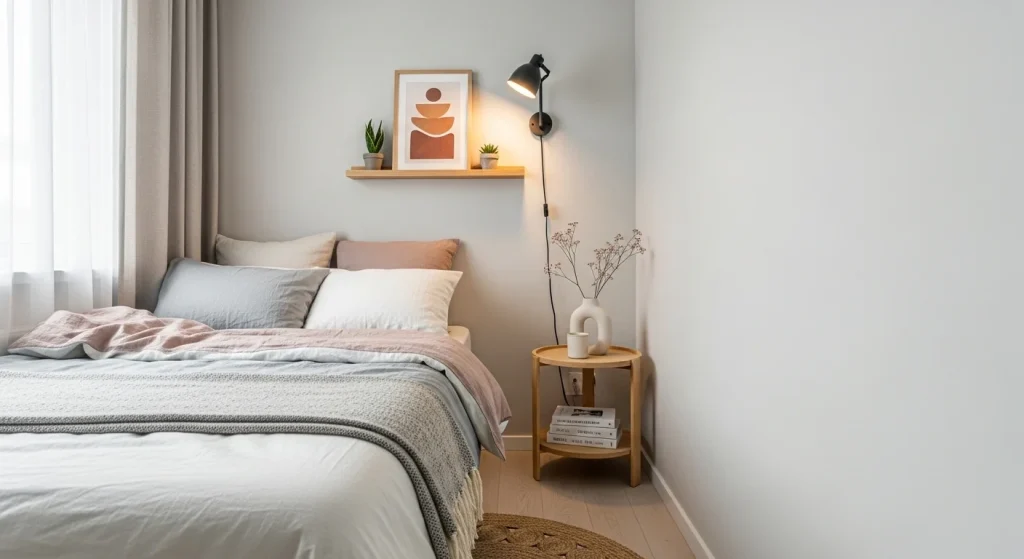
22. The Balcony Door Side Gap Use
The narrow space beside a balcony door is often ignored. It can be styled to enhance the transition between indoor and outdoor areas. This improves visual flow. The space feels more intentional. Keeping it light avoids clutter. A subtle but impactful idea.
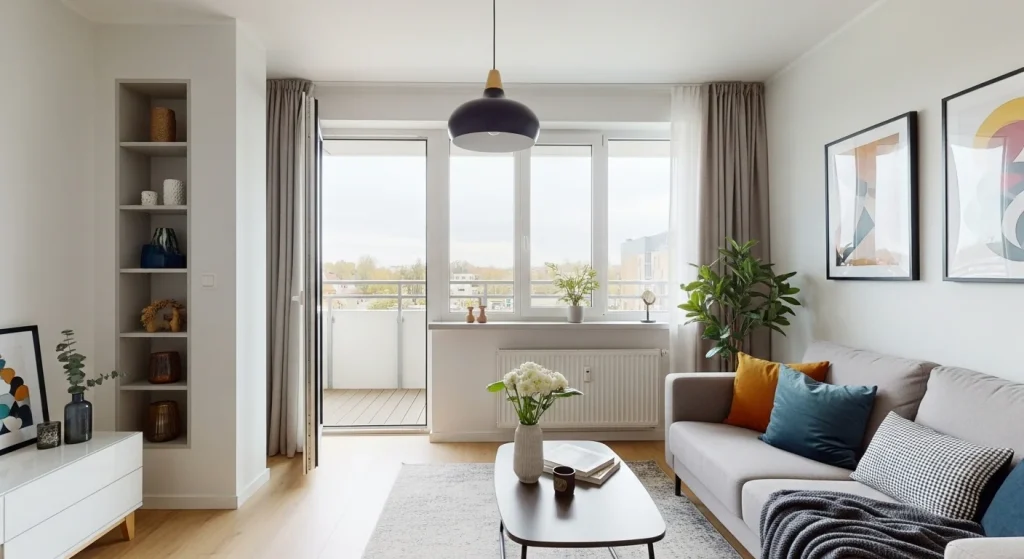
23. The Wardrobe Side Slim Zone
The side of a wardrobe often leaves unused vertical space. This can be styled or used for light storage. It improves room efficiency. The layout feels more complete. Keeping it minimal ensures balance. A smart overlooked solution.
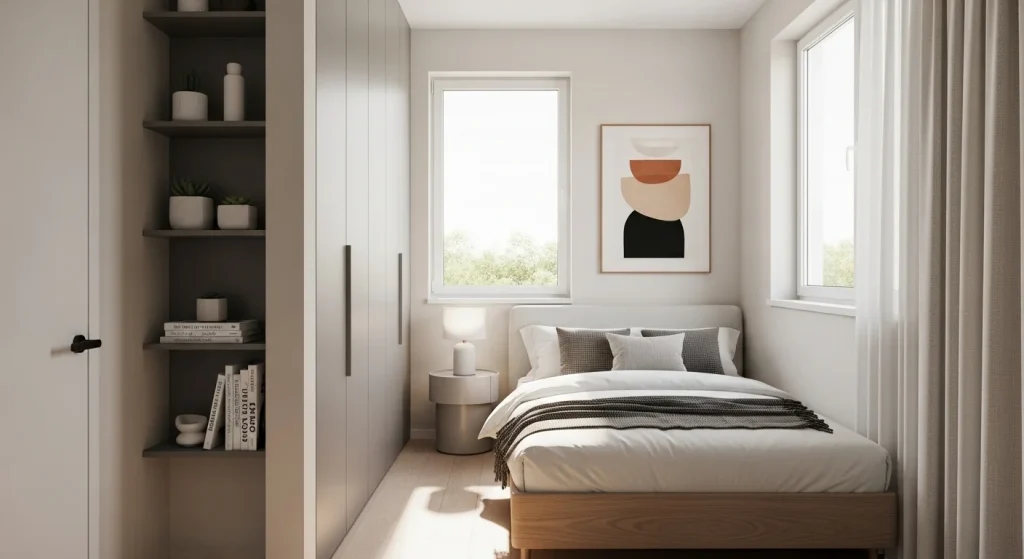
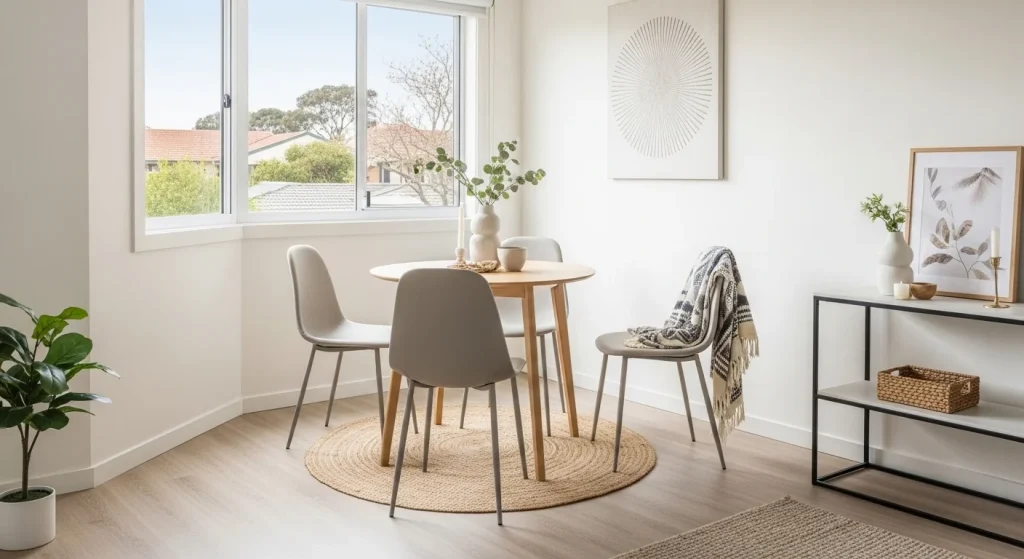
24. The Dining Chair Corner Gap Styling
The space around dining chairs can feel empty and unused. Styling this area lightly enhances the dining zone. It creates a more cohesive look. The space feels intentional. Keeping it minimal avoids clutter. A refined design detail.
25. The Room Transition Micro Space
Small transition areas between rooms are often ignored. Styling them helps create a smoother visual flow. It makes the apartment feel more connected. The space becomes purposeful. Keeping it simple enhances balance. A final finishing touch.
FAQs
1. What are overlooked spaces in small apartments?
Overlooked spaces include corners, gaps, wall edges, and small unused areas that are often ignored in design.
2. How can I decorate small unused spaces without cluttering?
Use minimal decor, functional elements, and light styling to enhance the space without overcrowding it.
3. Why should I focus on small spaces in my apartment?
Utilizing small spaces improves functionality, reduces clutter, and makes your apartment feel more organized.
4. Can small decor changes really make a difference?
Yes, even small changes in overlooked areas can significantly improve the overall look and feel of your home.