
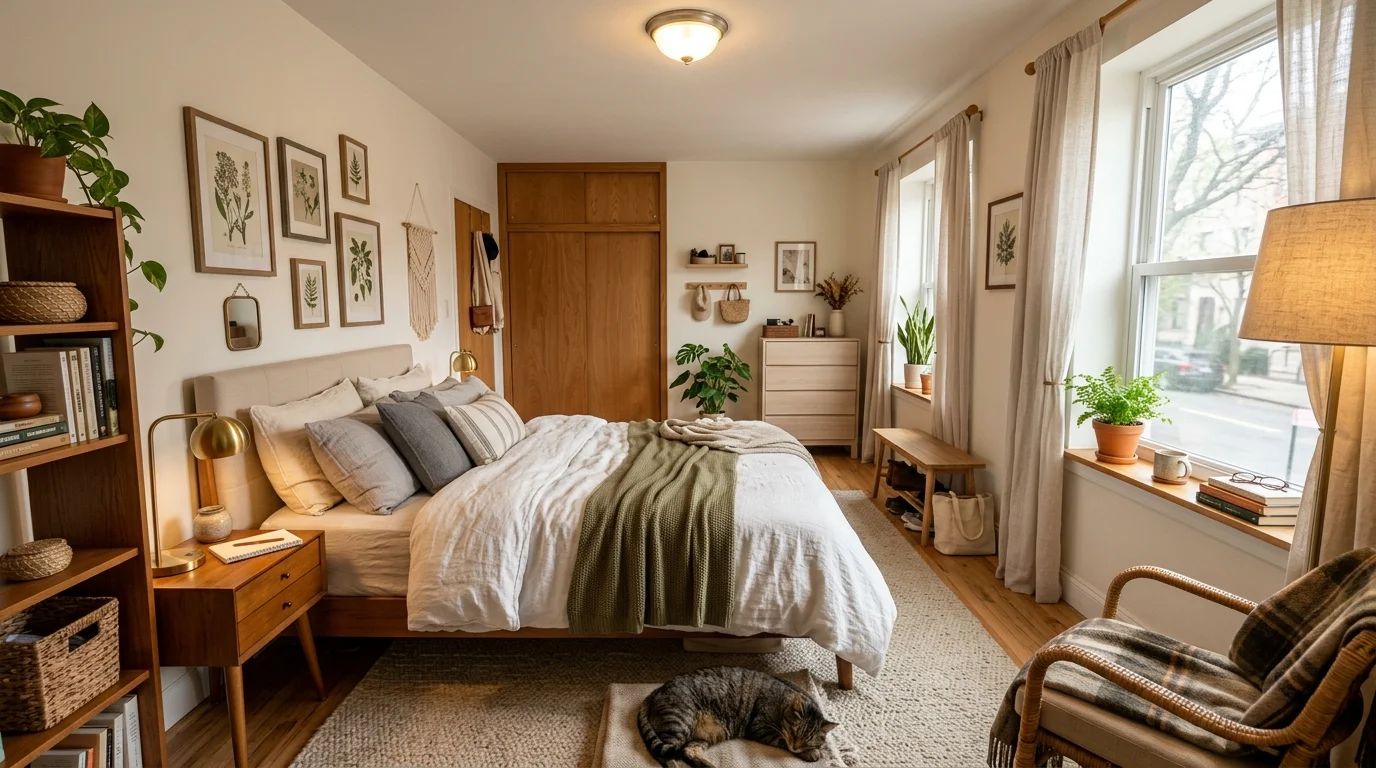
Your bedroom is where your day begins and ends, so how it feels matters more than how it looks alone. In a small apartment, even small changes can improve your mood, sleep, and daily routine. Comfort, lighting, and layout all play a role in creating a space that feels good to live in. The goal is to design a bedroom that supports relaxation, ease, and calm energy. When your space works with your lifestyle, everything feels smoother. These ideas focus on simple but powerful changes that make your everyday life better.
1. The Soft Layered Bedding Setup
Layering different textures like cotton sheets, throws, and cushions makes the bed more inviting. It creates a cozy environment you look forward to every night. Comfort improves sleep quality. The bed becomes the focal point of relaxation. Soft textures reduce stress visually. A well-layered bed changes your daily mood.
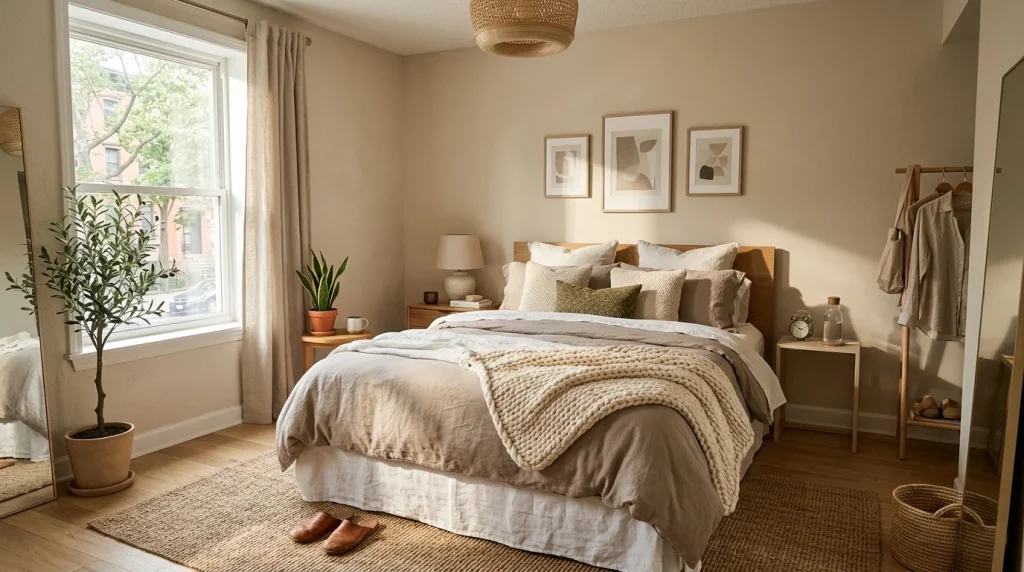
2. The Bedside Daily Essentials Zone
Keeping your daily items within reach simplifies your routine. A clean bedside setup reduces stress. Everything you need is easily accessible. This improves both morning and night habits. The space feels more functional. Small organization creates big comfort.
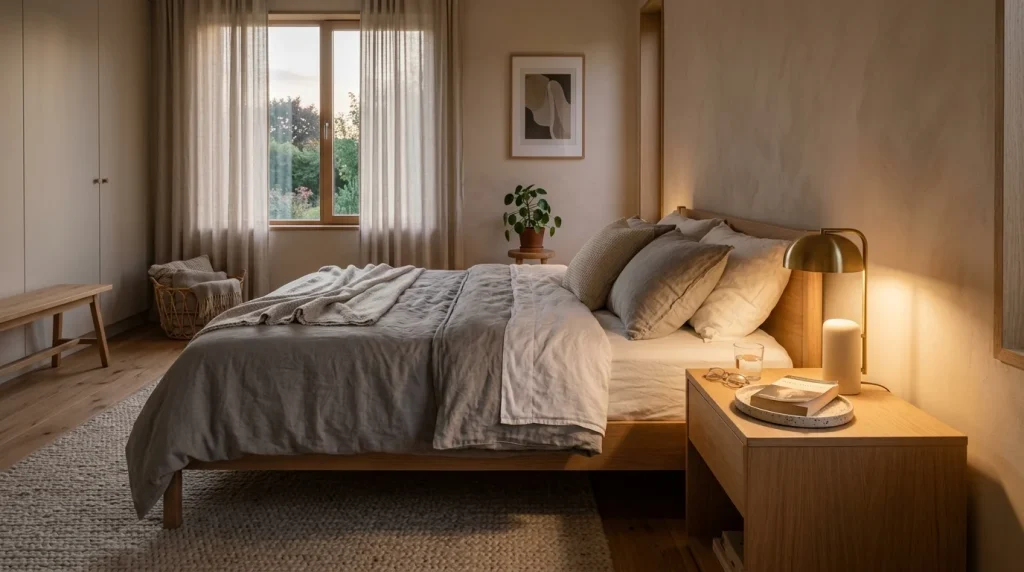
3. The Warm Lighting Wind-Down Effect
Switching to warm lighting helps your body relax in the evening. It creates a calming atmosphere instantly. Harsh lights can disrupt your mood. Soft lighting improves sleep readiness. The room feels peaceful and cozy. Light directly affects how you feel.
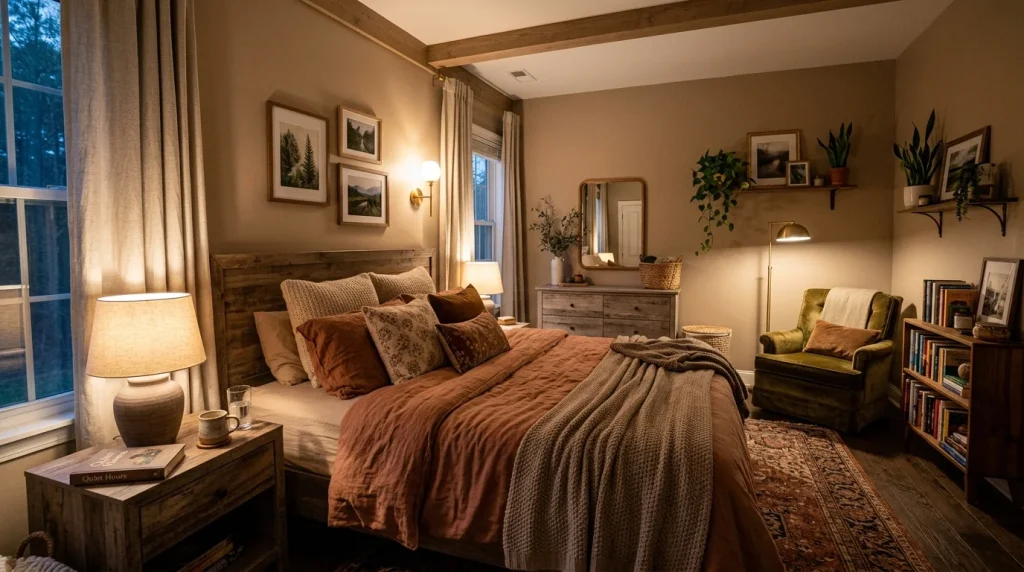
4. The Clean Floor Open Space Feeling
Keeping the floor visually clear makes the room feel less crowded. It improves movement and flow. The space feels lighter and calmer. Even small bedrooms feel bigger. Visual openness reduces stress. Clean floors create mental clarity.
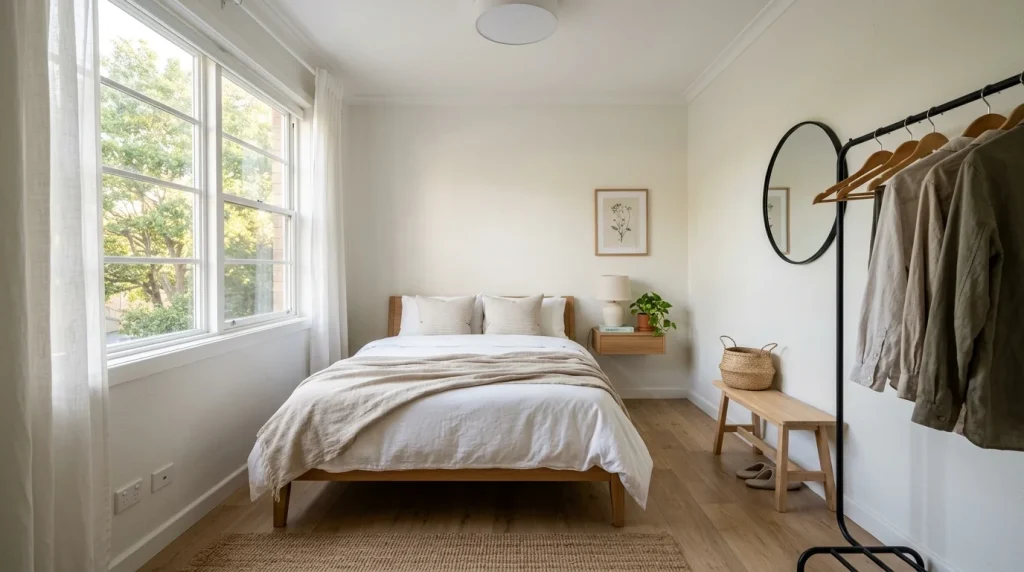
5. The Morning Light Bed Positioning
Positioning your bed to receive natural morning light improves your mood. Sunlight helps regulate your body clock. Waking up feels more refreshing. The room feels brighter and more alive. Natural light boosts energy. Placement changes your daily experience.
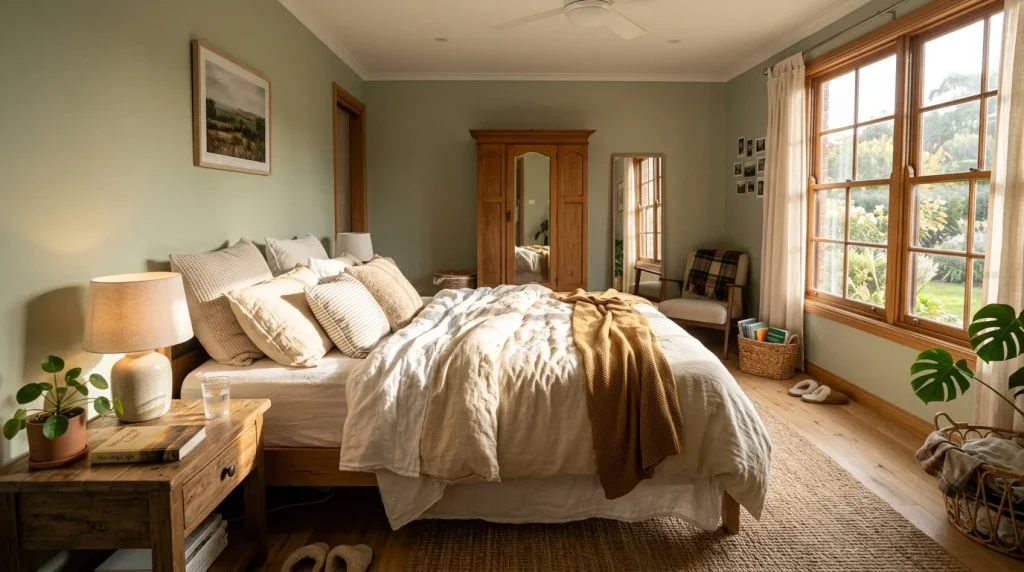
6. The Scent and Atmosphere Layer
Adding subtle scents like candles or diffusers enhances relaxation. Smell influences mood more than we realize. The room feels more personal. It creates a calming environment. Daily routines become more enjoyable. Atmosphere improves comfort.
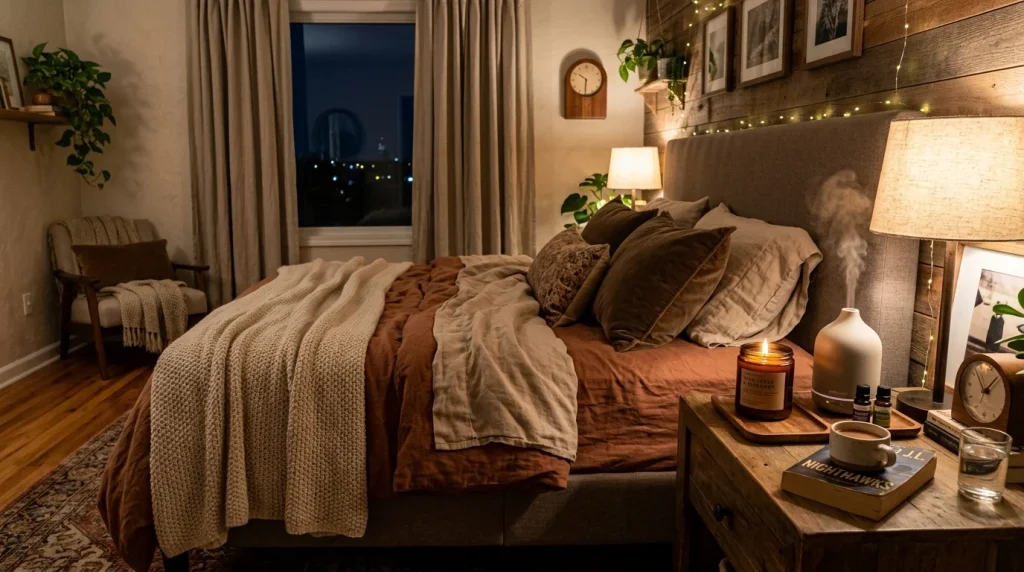
7. The Minimal Visual Clutter Reset
Reducing visible clutter helps your mind relax. Too many items can feel overwhelming. A clean space feels peaceful. This improves focus and rest. The room looks more intentional. Simplicity improves everyday living.
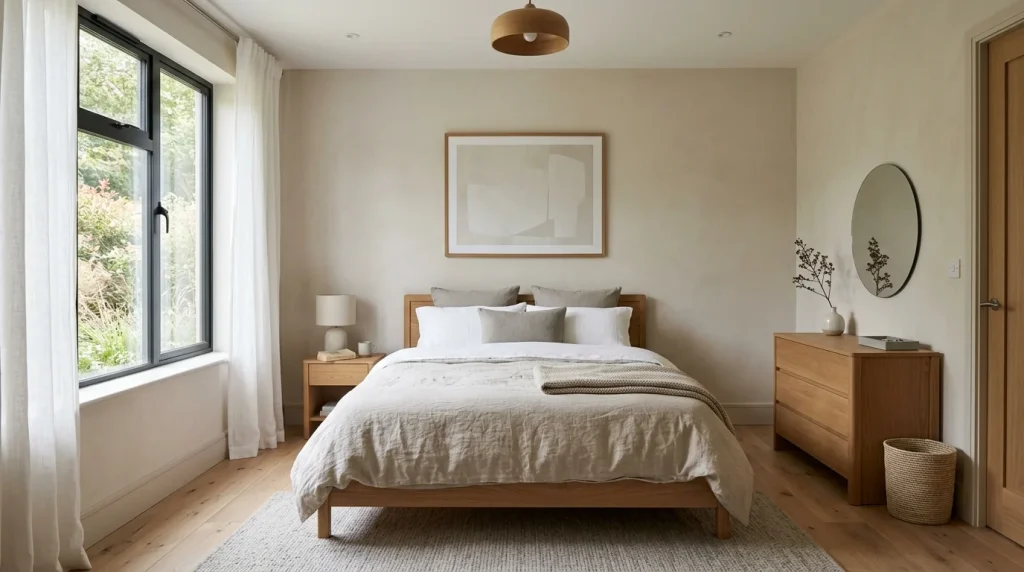
8. The Soft Rug Comfort Layer
Adding a soft rug near the bed improves comfort instantly. Stepping onto something warm feels better. It adds texture and coziness. The room feels more complete. Small details improve daily experience. Comfort starts from the ground.
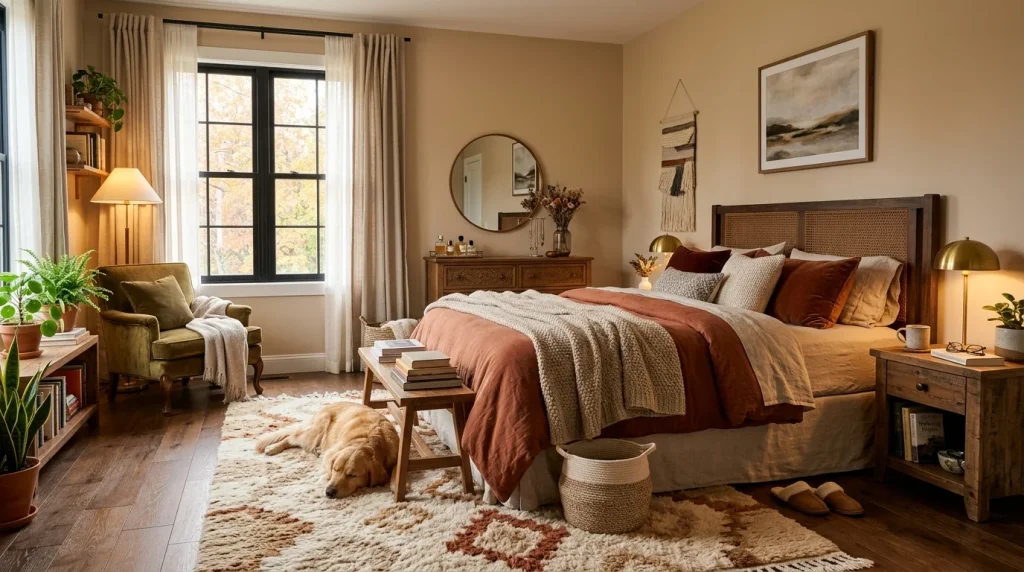
9. The Personal Corner Relaxation Spot
Creating a small corner for reading or relaxing adds value to your space. It gives you a place to unwind. The room feels more functional. This improves daily routines. Even a small corner makes a difference. Personal space enhances comfort.
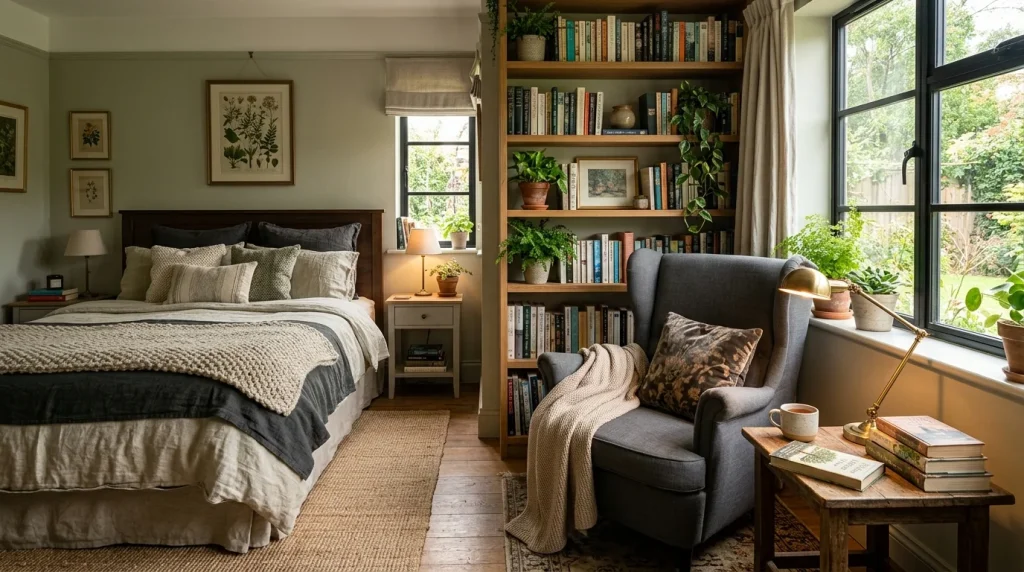
10. The Balanced Color Calm Effect
Using calming colors like soft neutrals reduces visual stress. The room feels more peaceful. Colors influence emotions daily. A balanced palette improves mood. The space becomes more relaxing. Calm tones support better living.
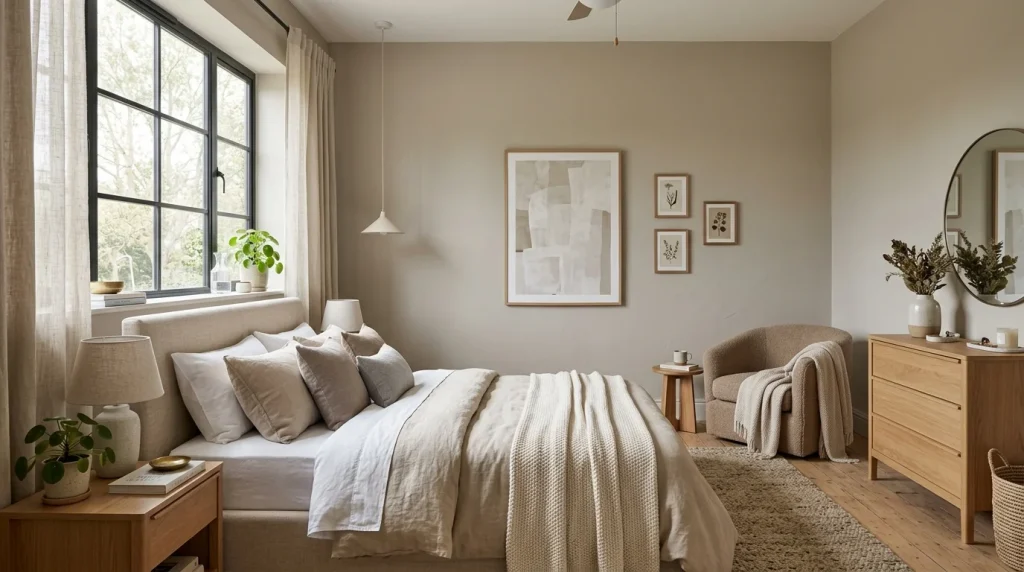
11. The Organized Closet Flow
An organized closet makes daily dressing easier. It saves time and reduces stress. Everything is easy to find. The bedroom feels less chaotic. Good organization improves routines. Simplicity enhances daily life.
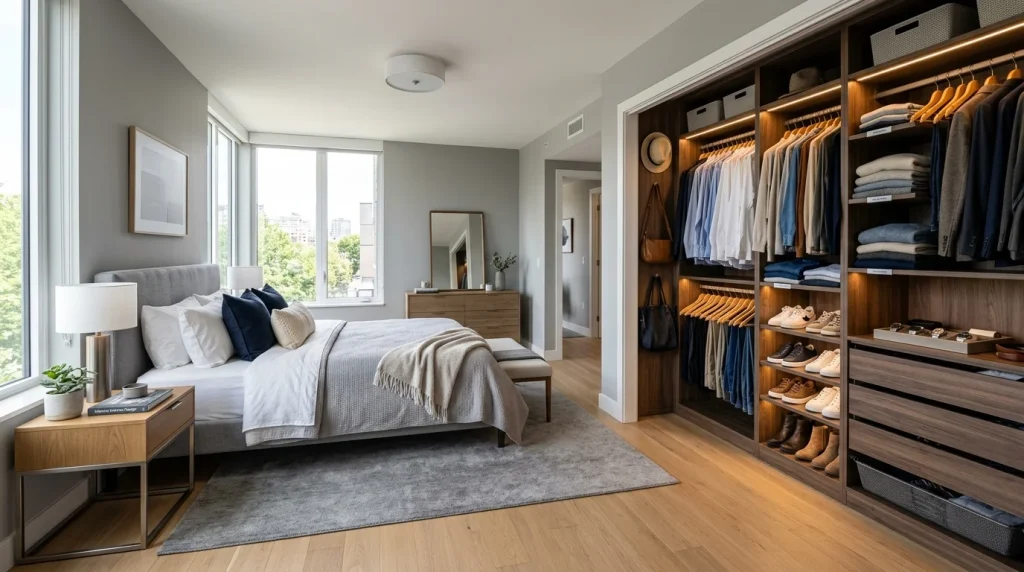
12. The Airy Curtain Movement
Light curtains allow air and light to flow freely. The room feels fresh and open. Heavy curtains can feel restrictive. Movement improves atmosphere. The space becomes more breathable. Air flow enhances comfort.
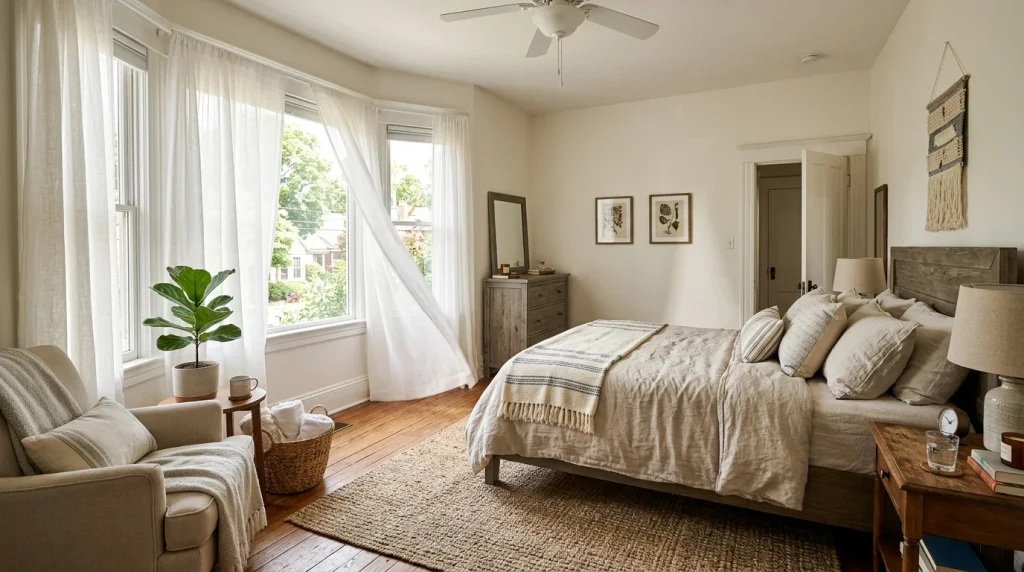
13. The Night Routine Lighting Corner
A dedicated soft light for night routines creates consistency. It signals your body to relax. The space feels intentional. Evening habits improve naturally. The room supports your routine. Lighting shapes behavior.
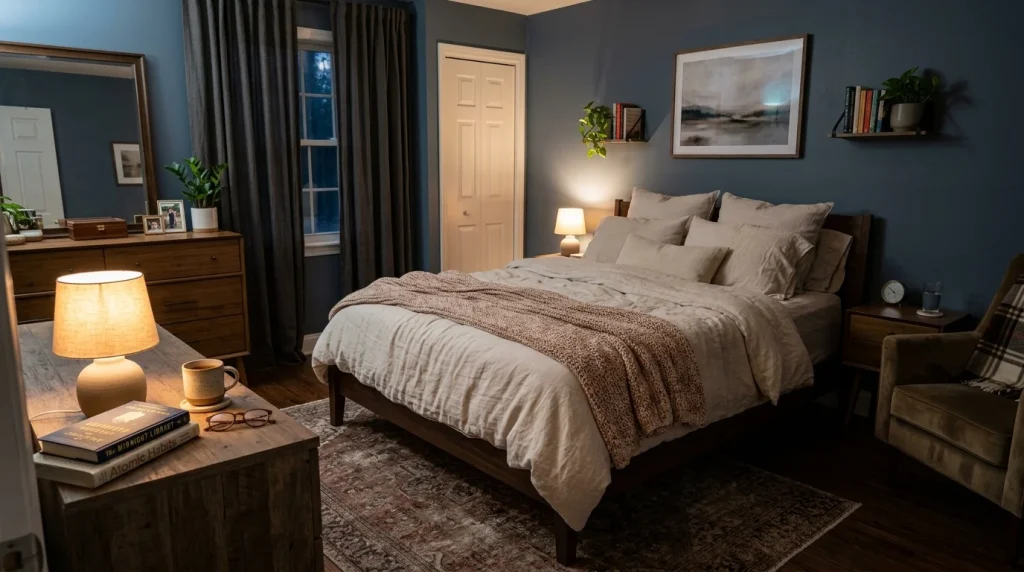
14. The Bed Alignment Symmetry
Placing the bed in a balanced position creates visual calm. Symmetry improves mental clarity. The room feels more organized. Everything looks intentional. Balance reduces stress. Alignment improves comfort.
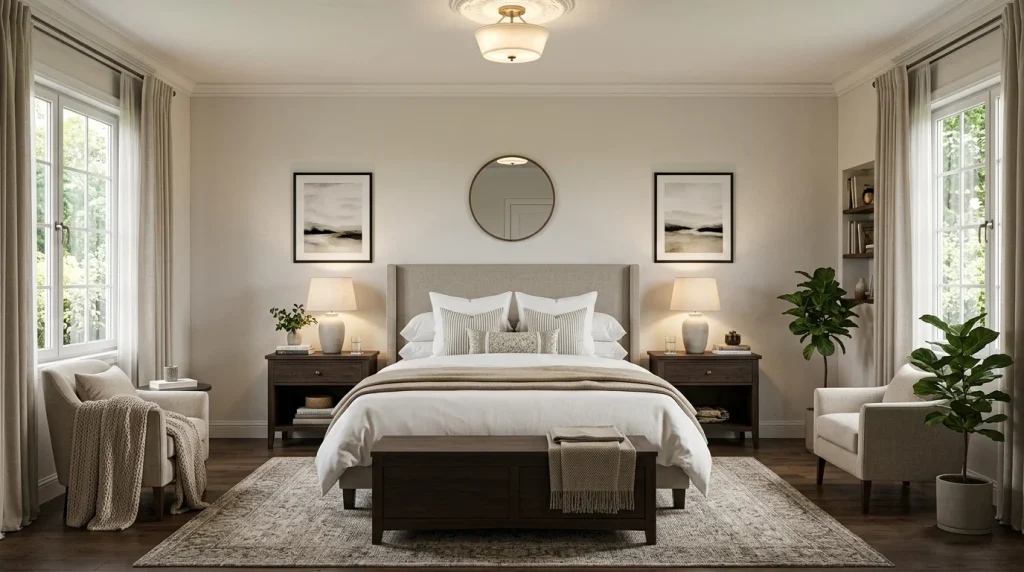
15. The Texture Contrast Comfort
Mixing soft and structured textures adds depth. The room feels richer and more comfortable. Flat spaces feel less inviting. Texture improves experience. The design feels complete. Comfort comes from layers.
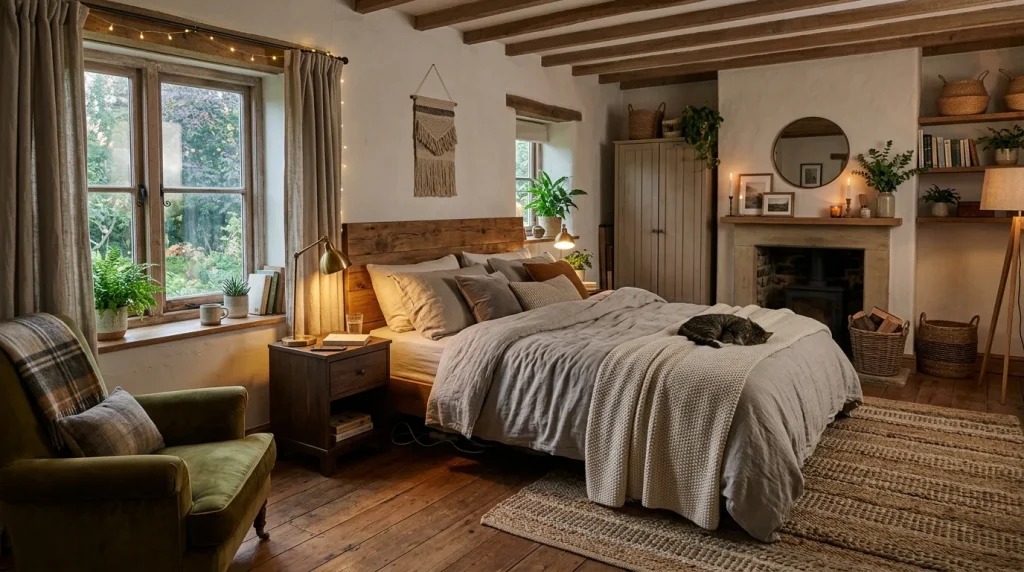
16. The Clean Nightstand Habit System
Keeping your nightstand minimal improves daily habits. It reduces distractions. The space feels calm. Essentials remain accessible. The room stays organized. Small habits improve lifestyle.
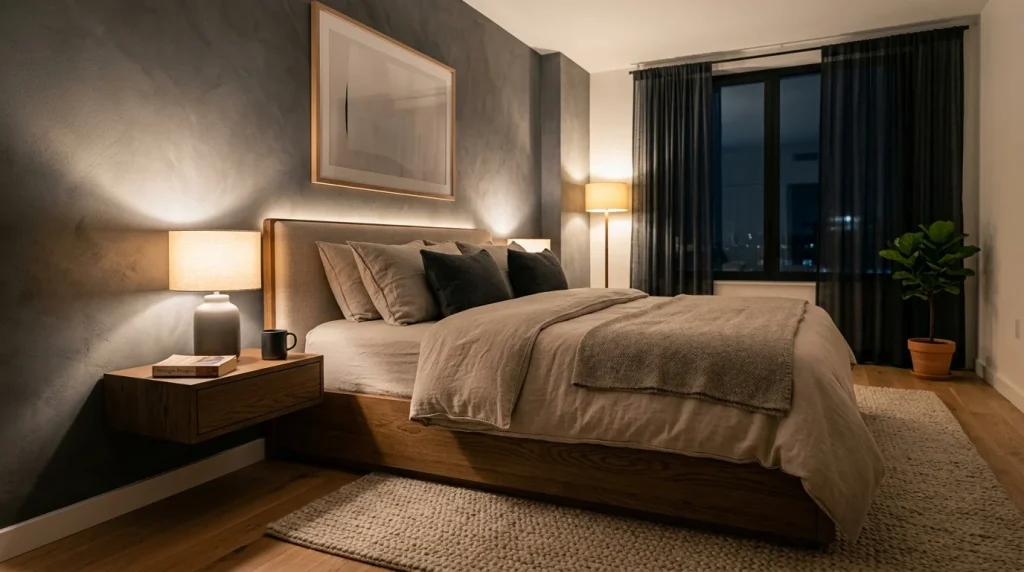
17. The Wall Simplicity Focus
Keeping walls simple reduces visual overload. The room feels lighter. Too much decor can feel chaotic. Simplicity improves calmness. The space looks clean and modern. Less creates more comfort.
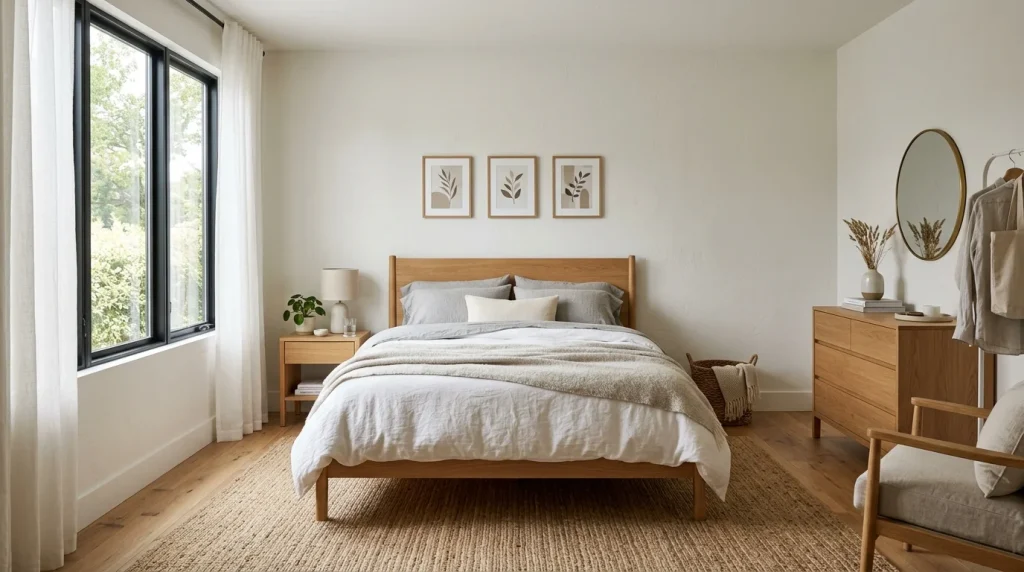
18. The Daily Reset Bed Habit
Making your bed daily improves how the room feels instantly. It creates a sense of order. The space looks cleaner. This affects your mindset. Small routines create big changes. A simple habit transforms the room.
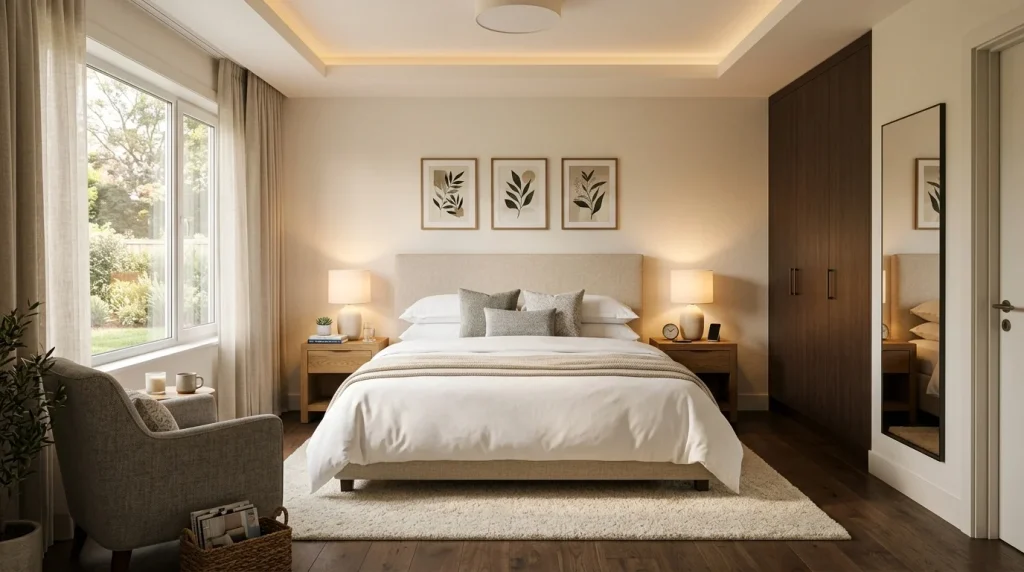
19. The Soft Sound Calm Layer
Adding soft background sounds like white noise improves relaxation. It blocks unwanted noise. The room feels more peaceful. Sleep quality improves. The environment becomes calming. Sound shapes comfort.
FAQs
1. How can I make my bedroom feel better daily?
Focus on comfort, lighting, and organization. Small changes like soft bedding and clean spaces improve mood. Daily habits also matter.
2. What is the most important element in a small bedroom?
Comfort and layout are the most important. A well-placed bed and calming design make a big difference.
3. Does lighting really affect mood in a bedroom?
Yes, lighting directly impacts how relaxed or energized you feel. Warm lighting creates a calming environment.
4. How do I make my bedroom feel cozy without clutter?
Use soft textures, warm lighting, and minimal decor. Focus on quality over quantity. Keep the space clean and intentional.