
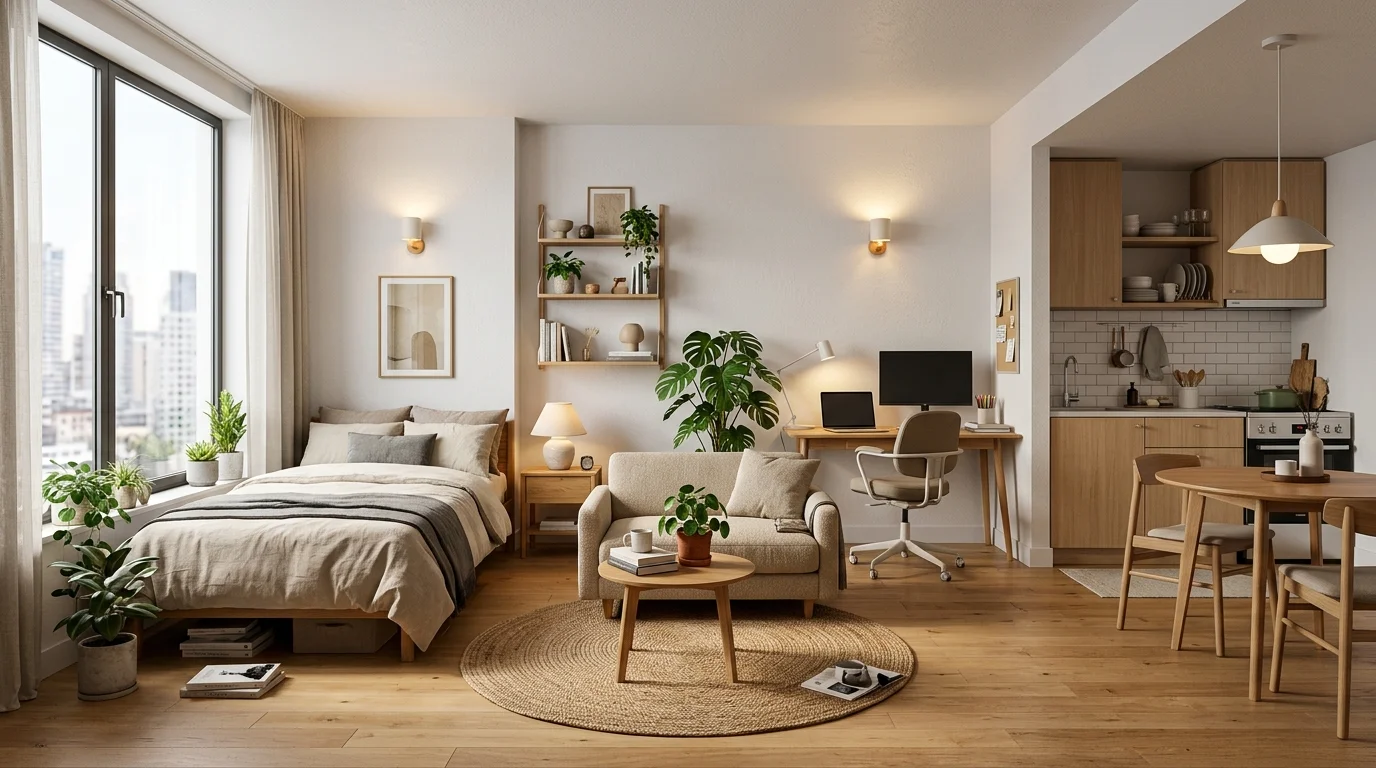
In a small apartment, one room often needs to serve multiple purposes at once. Instead of trying to make everything fit into one undefined space, creating mini zones can completely change how your home feels and functions. A mini zone is a small, clearly defined area within a room that serves a specific purpose like relaxing, working, or getting ready. The key is not adding walls, but using layout, furniture, and visual cues to separate spaces. When done right, even a tiny apartment can feel organized and intentional. These ideas focus on creating smart, beautiful mini zones that improve both function and visual flow.
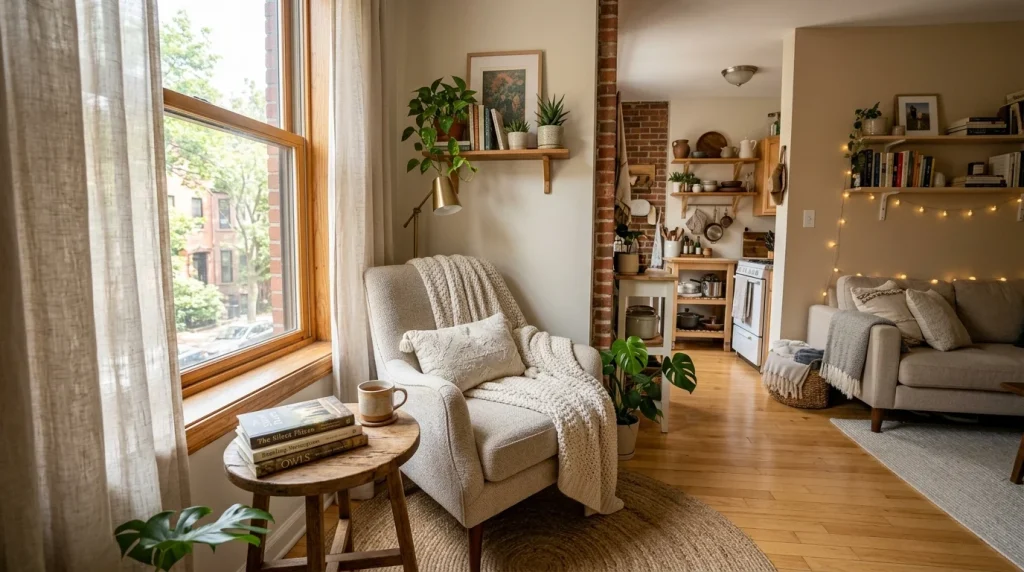
1. The Window Reading Mini Zone
Transform the area near your window into a soft reading escape with a chair and small side table. Natural light instantly defines this space. It feels separate from the rest of the room without needing walls. This zone becomes a quiet and relaxing corner. The layout feels more purposeful. A simple corner turns into a meaningful space.
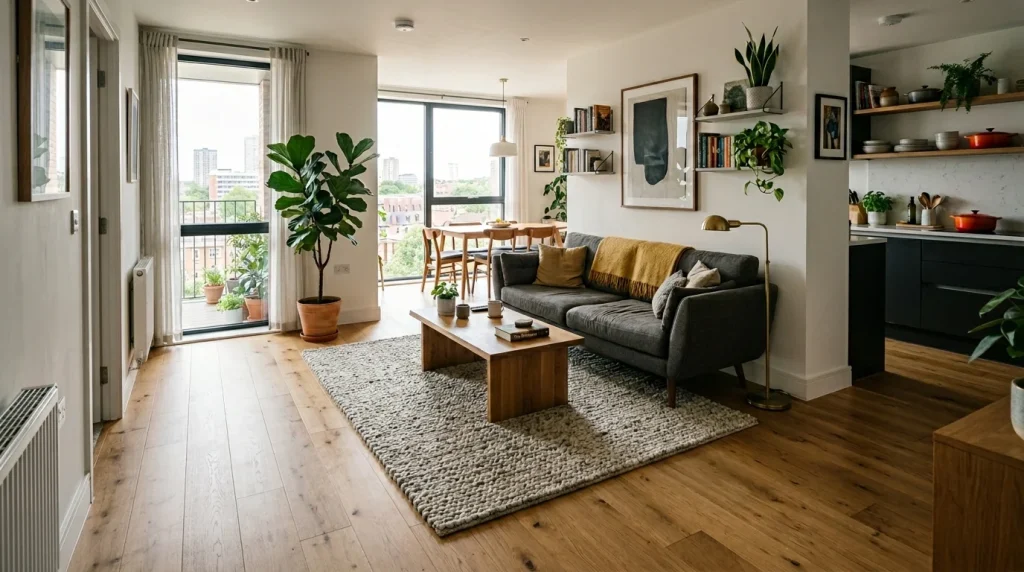
2. The Rug-Defined Lounge Zone
Using a rug to define a specific area instantly creates a visual boundary. It separates the lounge zone from the rest of the room. The space feels more structured. Furniture placed on the rug reinforces the zone. This works in any room type. A simple rug creates a clear mini area.
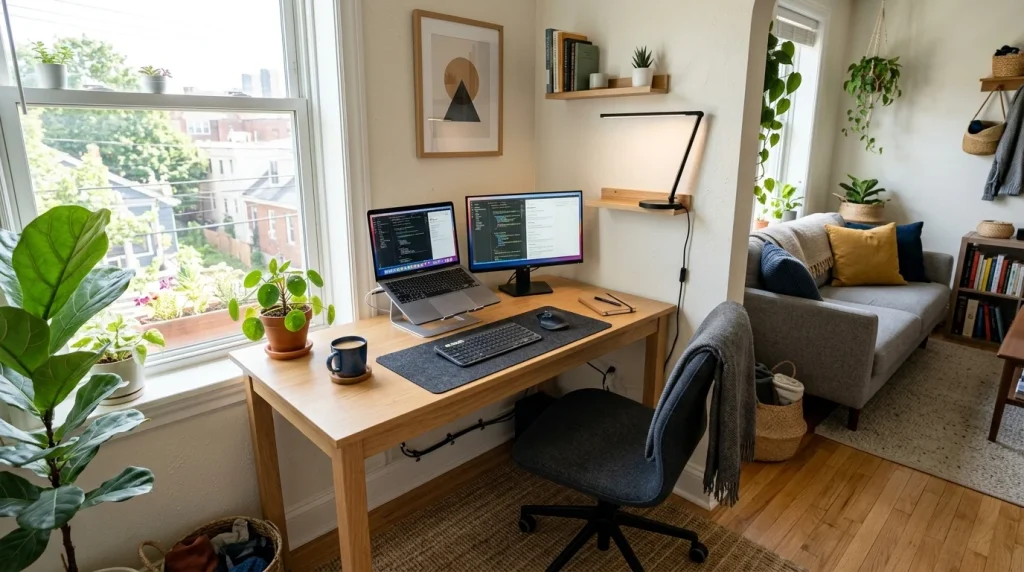
3. The Corner Work Desk Zone
A small desk placed in a corner can create a focused work area. This separates productivity from relaxation spaces. Even a compact setup feels intentional. The corner becomes functional instead of wasted. It improves daily workflow. A small zone creates big impact.
4. The Bedside Calm Zone
Styling the area beside your bed as a calm zone creates a peaceful atmosphere. Add a soft lamp, small decor, and minimal essentials. This becomes a wind-down space. It feels separate from the rest of the room. The bedroom feels more structured. A small detail improves daily routine.

5. The Sofa Back Divider Zone
Using the back of a sofa to separate spaces creates two mini zones instantly. One side becomes a lounge area. The other can be used for work or dining. This creates natural division. No walls are needed. Layout defines function.
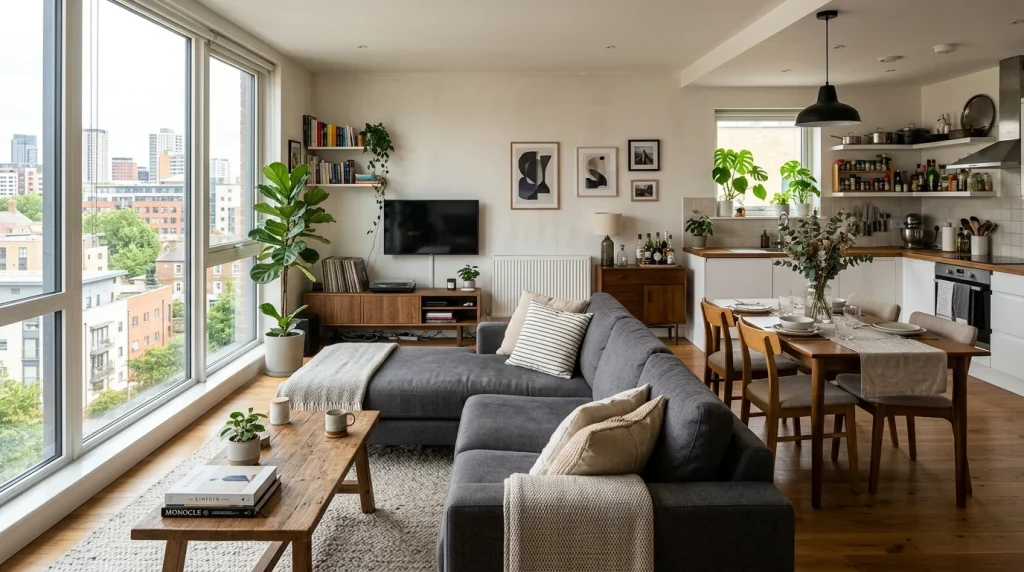
6. The Floating Shelf Mini Zone
Installing floating shelves above a small area creates a defined functional space. This works well for work or decor zones. The vertical element marks the boundary. The zone feels intentional. It adds structure without bulk. A clean and modern solution.

7. The Curtain-Separated Mini Zone
Using a light curtain to separate part of a room creates a flexible mini zone. It can be opened or closed as needed. This adds privacy without permanent division. The space feels adaptable. It works well for sleeping or work areas. Soft separation improves layout.

8. The Entry Drop Zone Setup
Creating a small entry zone with hooks and a bench improves organization. It defines the entrance clearly. The rest of the room feels cleaner. This mini zone handles daily items. It improves functionality instantly. A strong first impression matters.

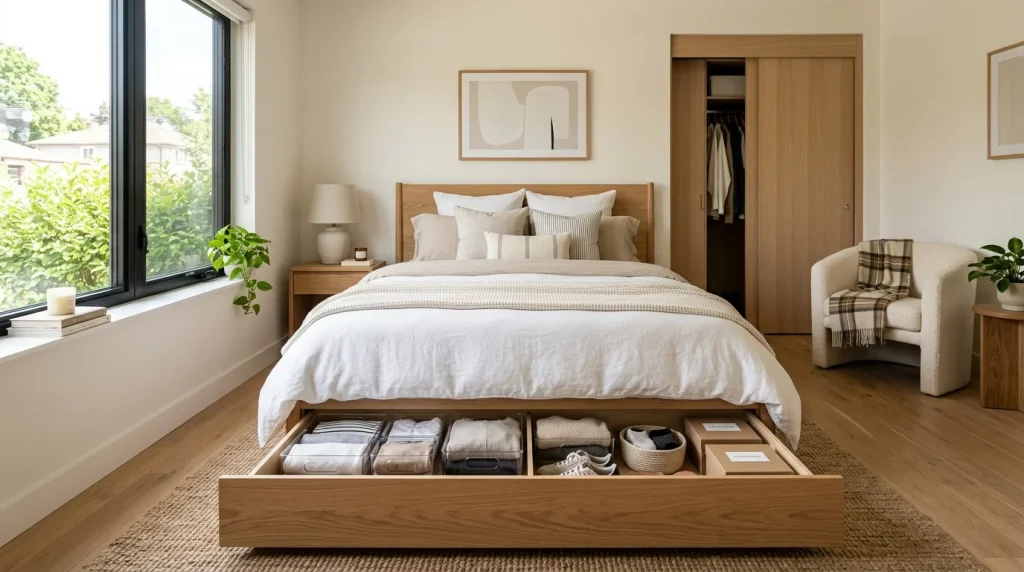
9. The Under-Bed Functional Zone
Using the space under the bed for specific functions creates a hidden mini zone. It can store items or serve as a pull-out area. This maximizes unused space. The room feels more efficient. Function is added without clutter. A hidden but powerful solution.
10. The Compact Dining Mini Zone
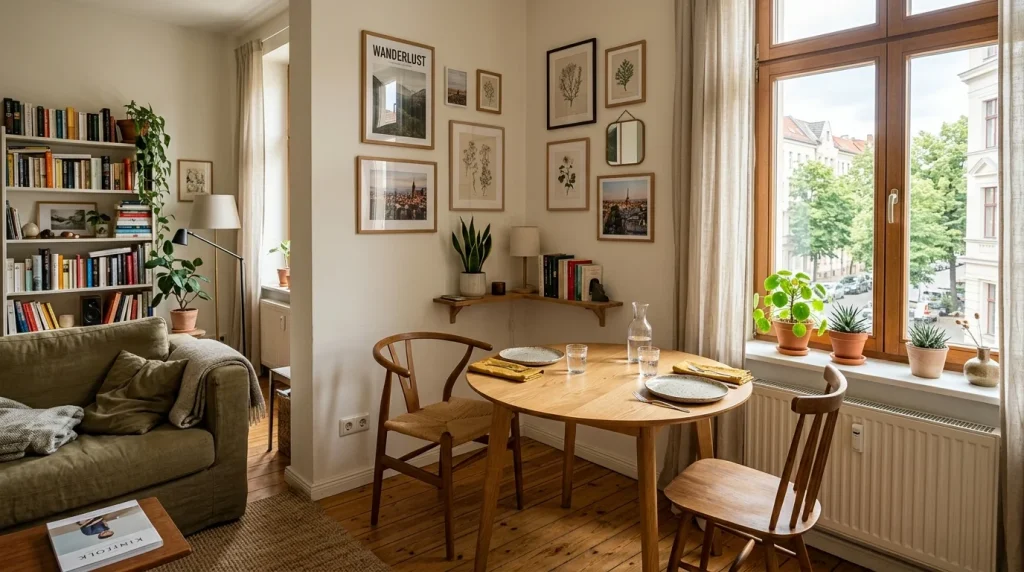
A small table setup in a corner creates a dedicated dining area. This separates eating from other activities. The room feels more organized. Even a tiny table works. It adds structure to daily routines. A defined eating space improves living.
11. The Mirror-Defined Dressing Zone
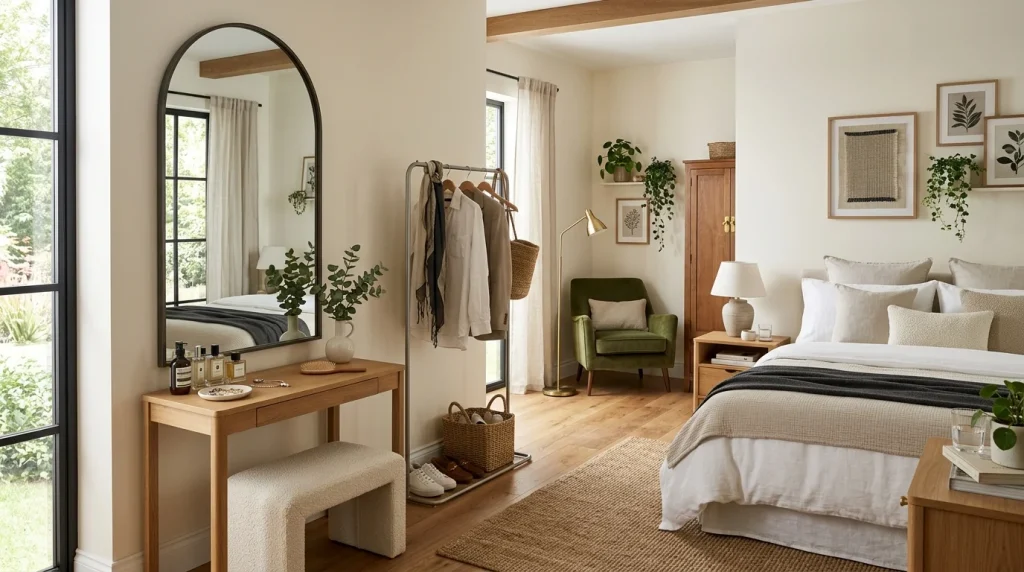
Using a full-length mirror creates a dressing area visually. It reflects light and space. The zone feels separate instantly. This works even in small bedrooms. It improves daily routines. Reflection defines function.
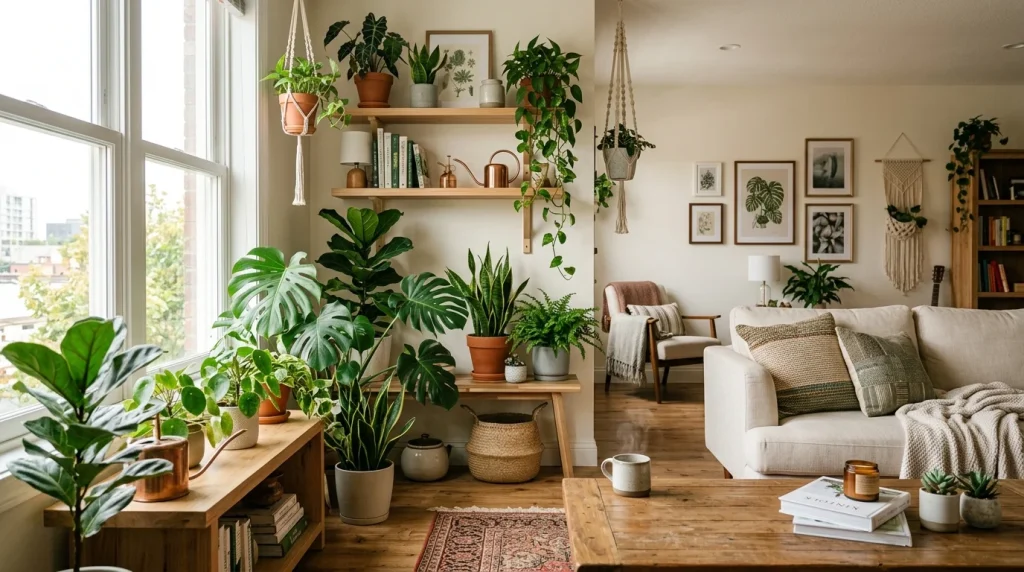
12. The Plant Corner Relax Zone
Adding plants to one corner creates a calming mini zone. Greenery defines the space naturally. It feels fresh and relaxing. This zone becomes a peaceful escape. Nature improves atmosphere instantly. A small corner becomes meaningful.
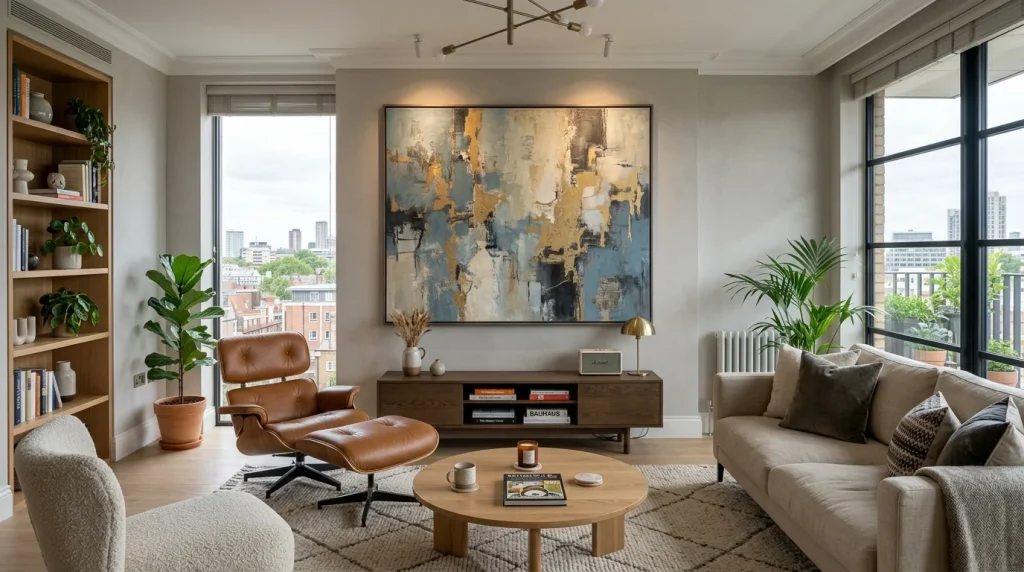
13. The Wall Art Focus Zone
Creating a zone around a large wall art piece adds purpose to an area. The art becomes the focal point. Furniture arranged around it defines the space. The room feels more structured. Visual focus creates separation. Design defines the zone.
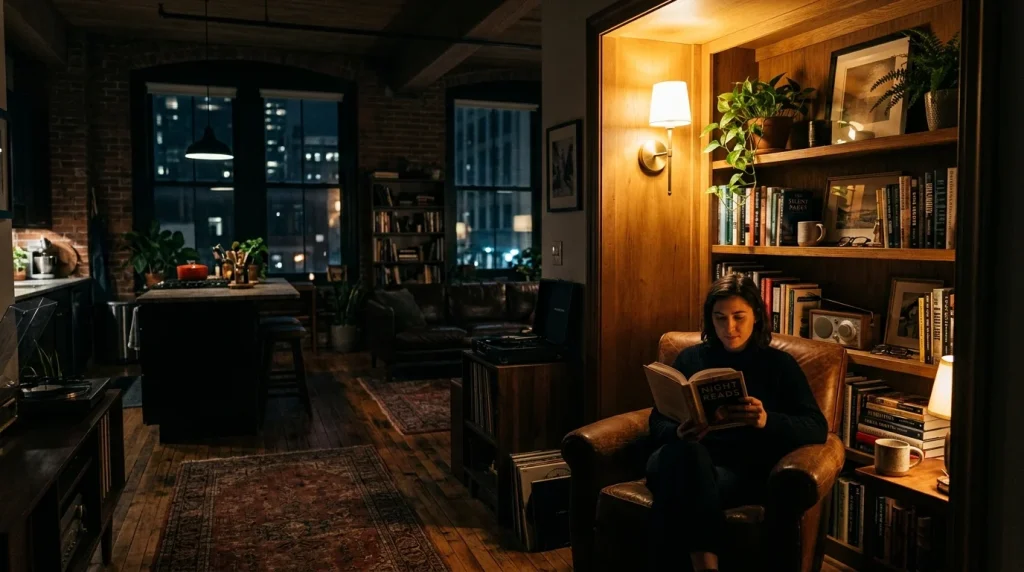
14. The Lighting-Defined Mini Zone
Using a dedicated light source for one area creates a clear zone. Light naturally separates spaces. The zone feels highlighted. This works well for reading or relaxing. Lighting adds both function and style. Glow defines space.
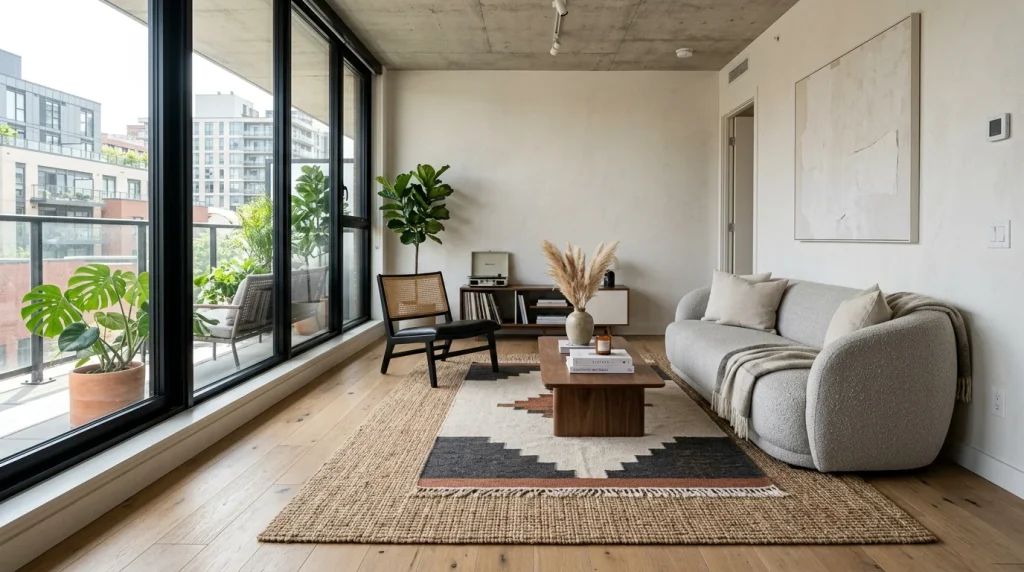
15. The Floor Level Change Illusion Zone
Using a slightly raised platform or layered rug creates a zone visually. It defines a specific area clearly. The space feels more dynamic. Even subtle elevation works. The room gains structure. Levels create separation.
16. The Multi-Purpose Fold Zone
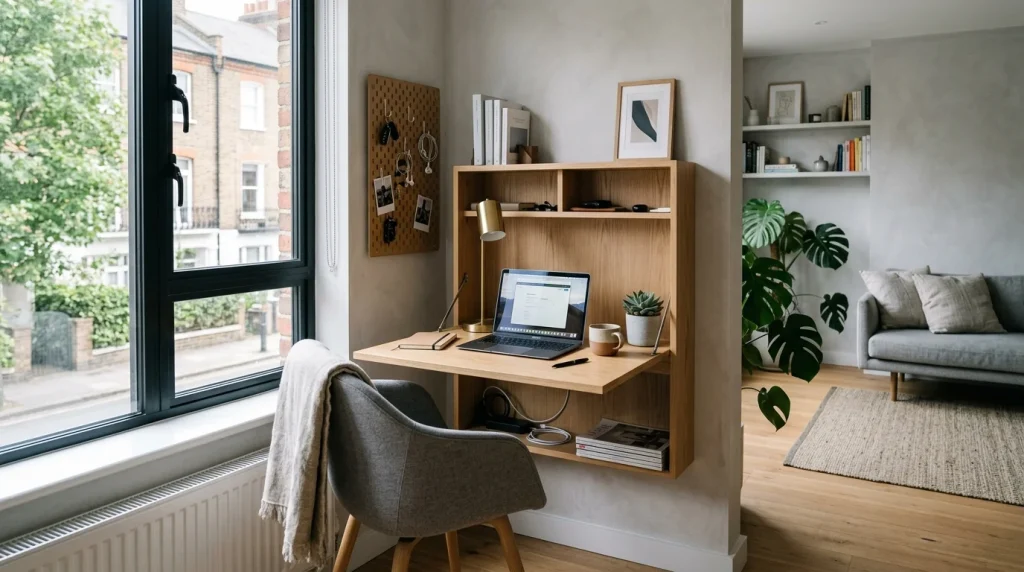
A foldable setup like a wall desk or drop-leaf table creates a temporary zone. It appears when needed and disappears after. This keeps the room flexible. The layout adapts easily. Function does not take permanent space. A dynamic mini zone solution.
FAQs
1. What is a mini zone in a small apartment?
A mini zone is a small defined area within a room that serves a specific purpose. It helps organize space without adding walls.
2. How do I create zones without making the room feel crowded?
Use visual dividers like rugs, lighting, and furniture placement instead of bulky partitions. Keep the design light and open.
3. Can I create multiple zones in one room?
Yes, even small rooms can have multiple zones if designed carefully. Clear separation and layout planning are key.
4. What is the easiest way to create a mini zone?
Using rugs, lighting, or furniture placement is the simplest way. These methods instantly define space without effort.