
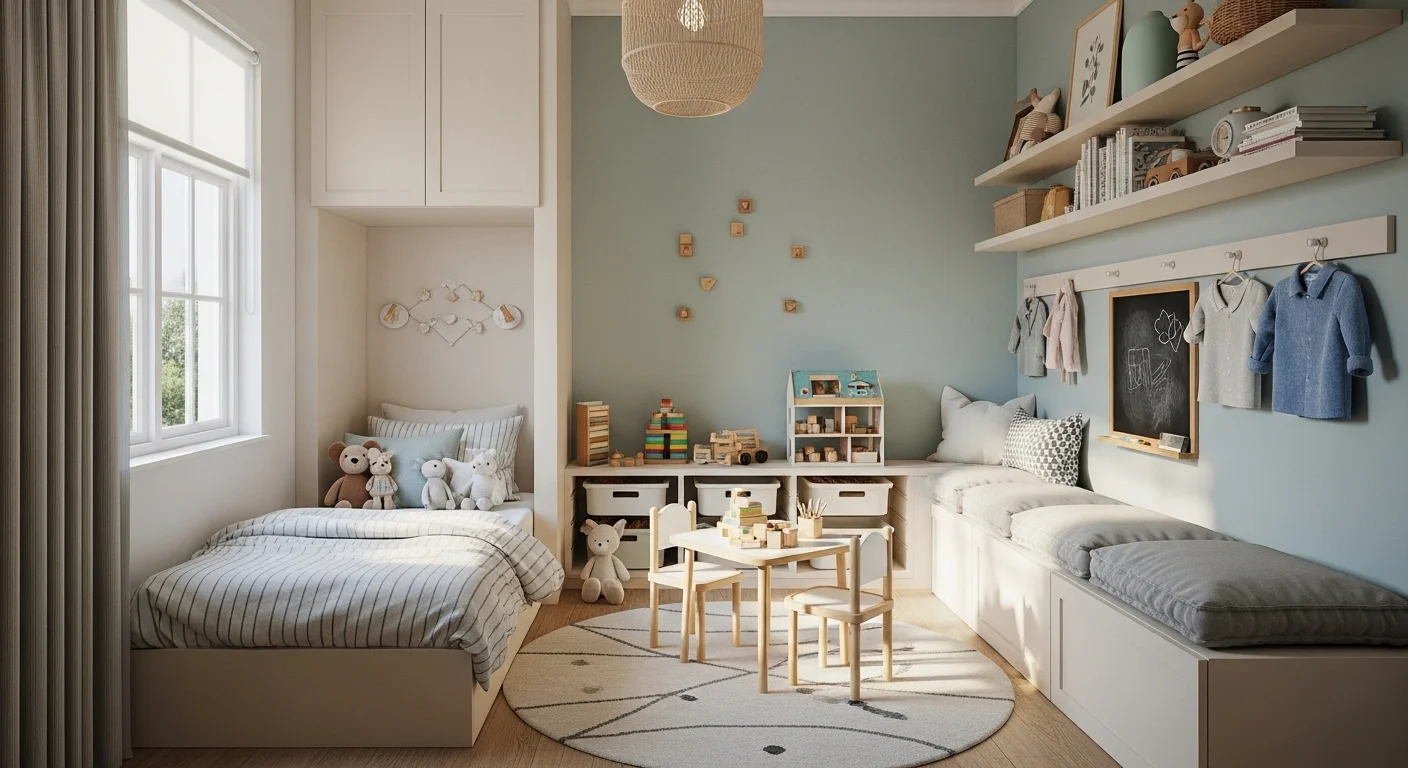
Designing a kids’ room in a small apartment isn’t just about making it look cute—it’s about making everyday life easier. From getting ready in the morning to cleaning up at night, the right setup can save time, reduce stress, and keep things running smoothly.
The key is creating a space that supports both kids and parents, with simple layouts, easy-to-use storage, and flexible areas for sleep, play, and daily routines. Small changes can make a big difference in how the room actually functions.
These small apartment kids room ideas focus on practical setups that help everything feel more organized, manageable, and comfortable every day.
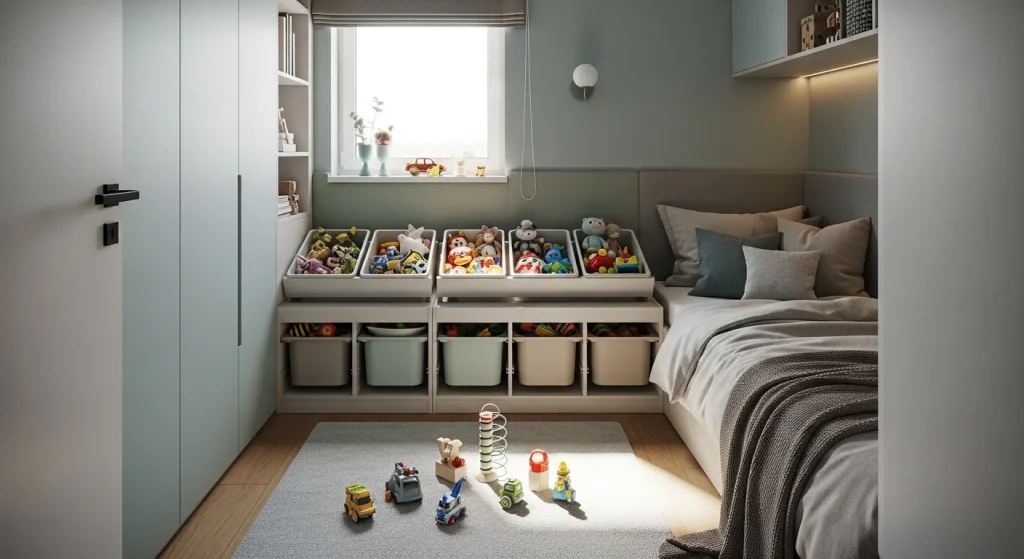
1. The Easy-Access Toy Storage Setup
Keeping toys at a child’s reach makes cleanup faster and encourages independence without constant help from parents. Open bins or low shelves allow kids to see and grab what they need easily. This reduces frustration during playtime. It also makes putting things away simpler and quicker. The room stays more organized throughout the day. A small change that improves daily flow.
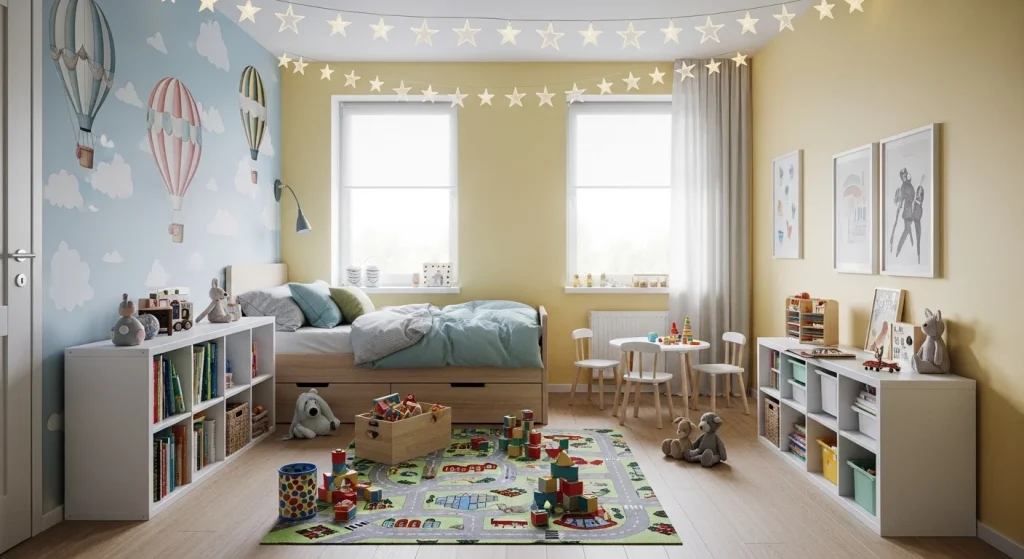
2. The Clear Zones Sleep-Play Layout
Separating sleep and play areas helps kids understand how to use the room more effectively throughout the day. A defined bed zone creates calm, while a play zone keeps energy contained. This structure reduces chaos and improves routine. The room feels more organized visually. It also helps with better sleep habits. A simple zoning strategy that makes life easier.
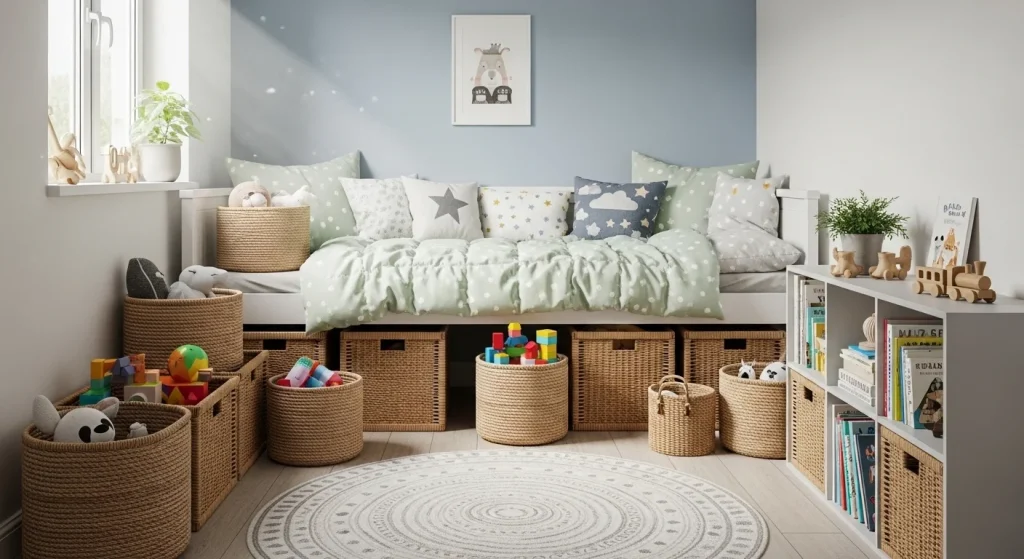
3. The Quick Clean-Up Basket System
Adding a few large baskets for quick clean-ups makes tidying up fast and stress-free at the end of the day. Instead of organizing every item, everything can be grouped quickly. This reduces overwhelm for both kids and parents. The room instantly looks cleaner. It supports daily routines without extra effort. A realistic solution for busy households.
4. The Multi-Use Furniture Setup
Using furniture that serves multiple purposes helps save space while improving function. A bed with storage or a desk with drawers reduces the need for extra pieces. The room feels less crowded. It also keeps essentials within reach. This setup supports both play and organization. A smart approach for small apartments.
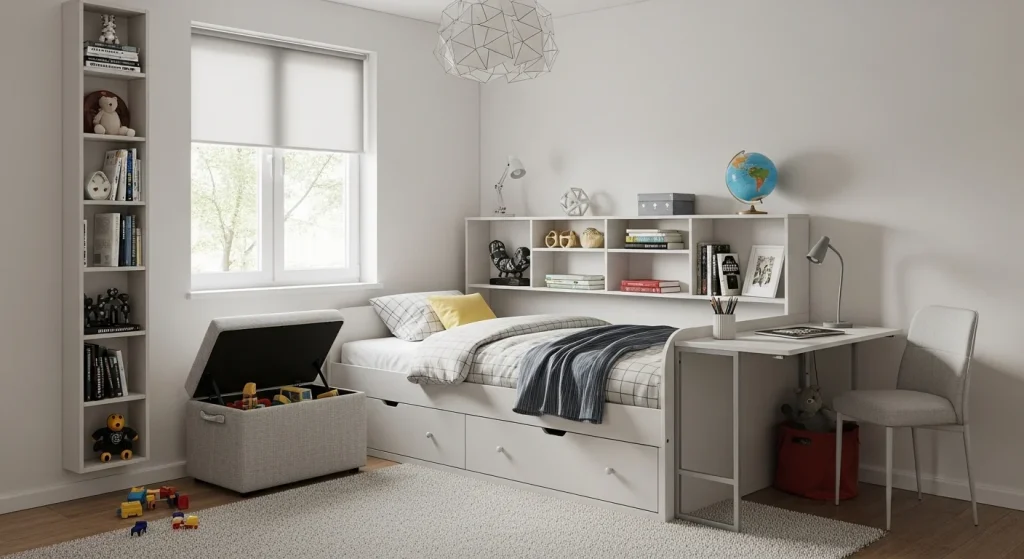
5. The Simple Daily Routine Station
Creating a small area for daily essentials like school items or clothes helps streamline morning routines. Everything is in one place, reducing time spent searching. It makes getting ready easier for kids. The setup feels organized and predictable. It supports independence. A small but powerful improvement.
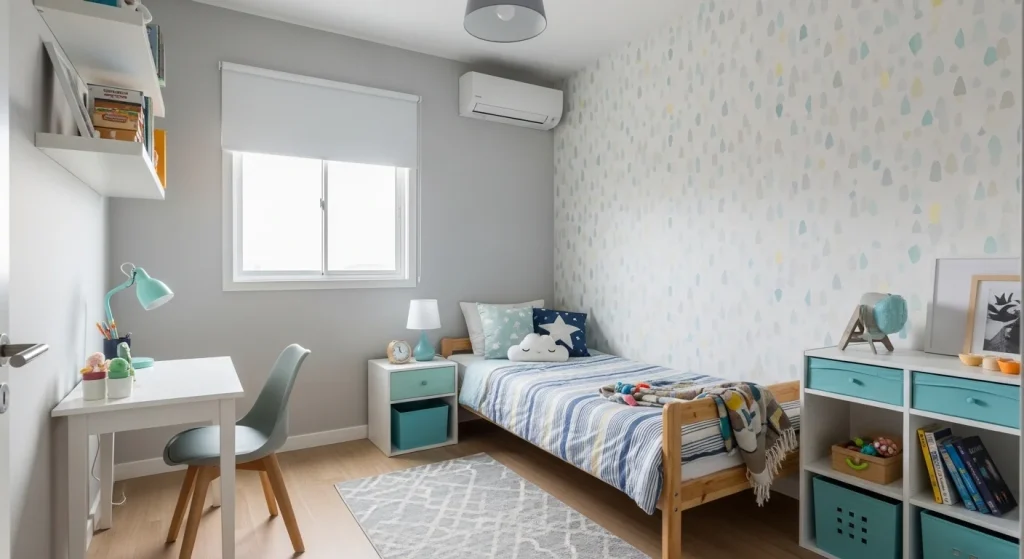
6. The Soft Calm Color Environment
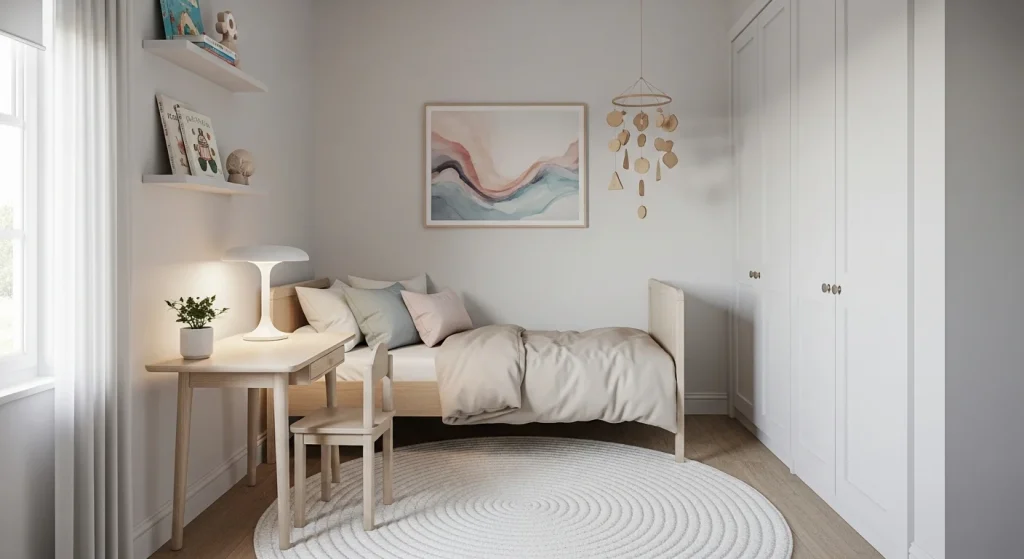
Using soft, calming colors helps reduce overstimulation and creates a more peaceful environment. This makes the room feel easier to manage emotionally. It supports both play and rest. The space feels balanced and comfortable. It also improves focus and relaxation. A subtle but impactful design choice.
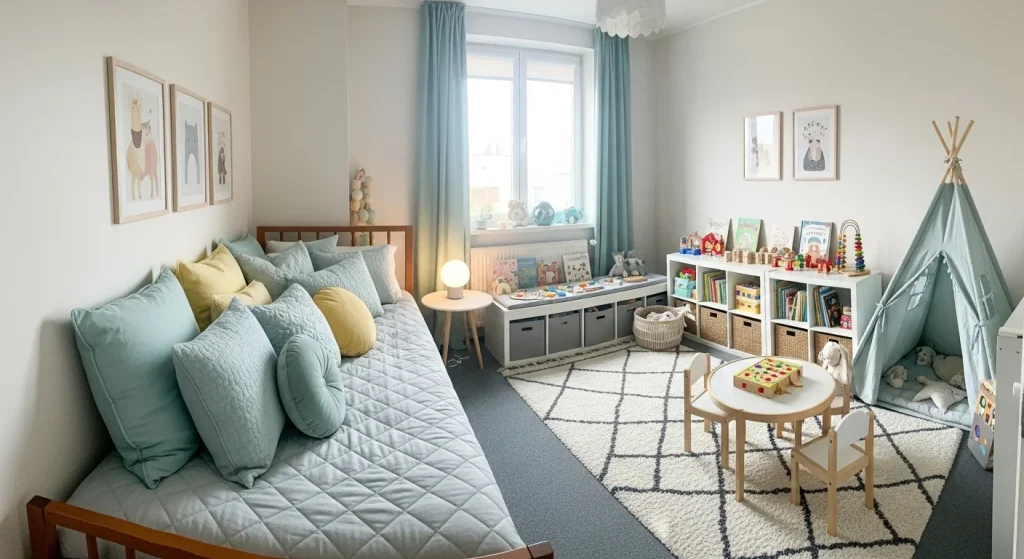
7. The Visible Storage Label System
Labeling storage areas helps kids know exactly where things belong, making cleanup easier and faster. It reduces confusion during daily use. The room stays more organized over time. Kids become more independent. It also saves parents time. A simple organizational upgrade.
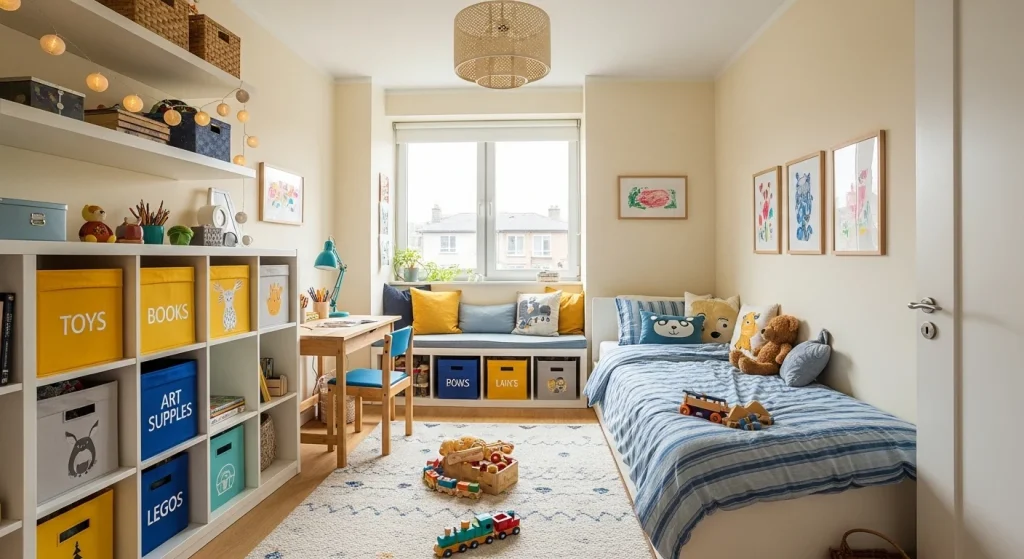
8. The Flexible Play Space Setup
Keeping an open area for play allows kids to move freely without obstacles. It makes the room feel less cramped. The setup adapts easily to different activities. It supports creativity and comfort. The space feels more usable overall. A flexible approach that simplifies daily life.
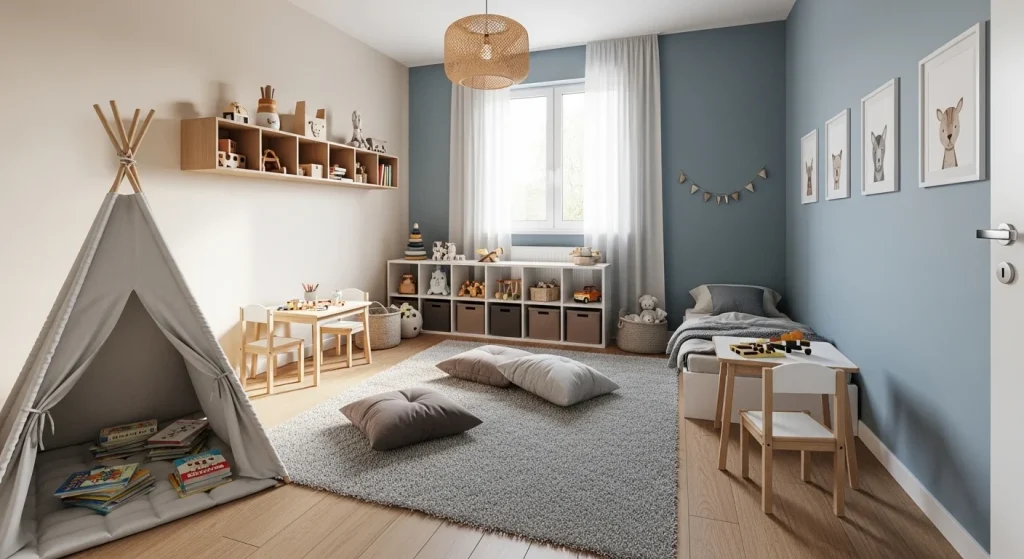
9. The Bedside Essentials Easy-Grab Setup
Keeping a few essential items near the bed makes daily routines smoother, especially during mornings and bedtime. Items like a small lamp, water bottle, or favorite book stay within easy reach. This reduces unnecessary movement around the room. The setup feels more thoughtful and efficient. It also helps kids feel more comfortable and independent. A simple detail that supports everyday ease.
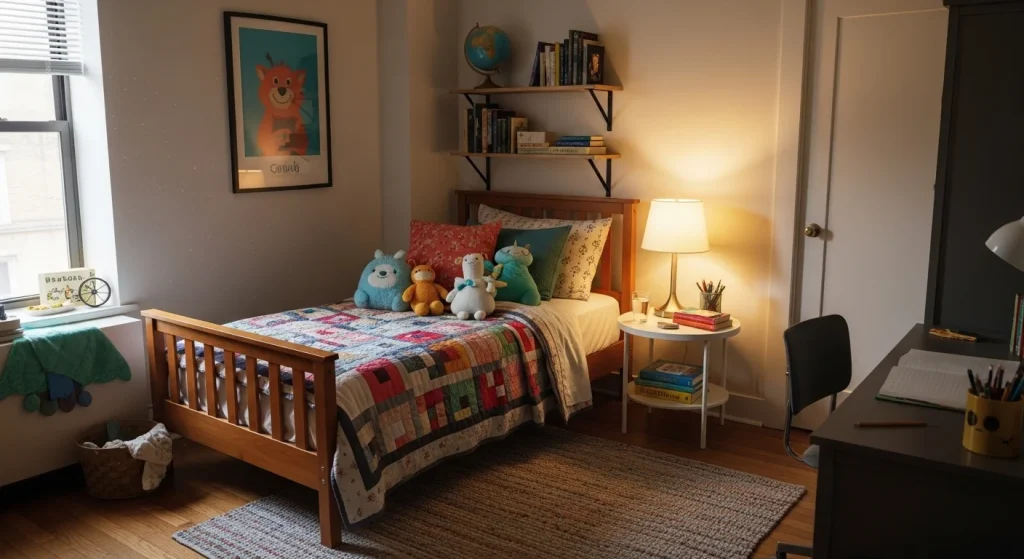
10. The Vertical Storage Wall Solution
Using wall space for storage keeps the floor clear and makes the room feel more open and manageable. Shelves or hanging organizers help store items without taking up valuable space. This improves overall organization. Everything becomes easier to access and maintain. The room looks cleaner instantly. A smart solution for small layouts.
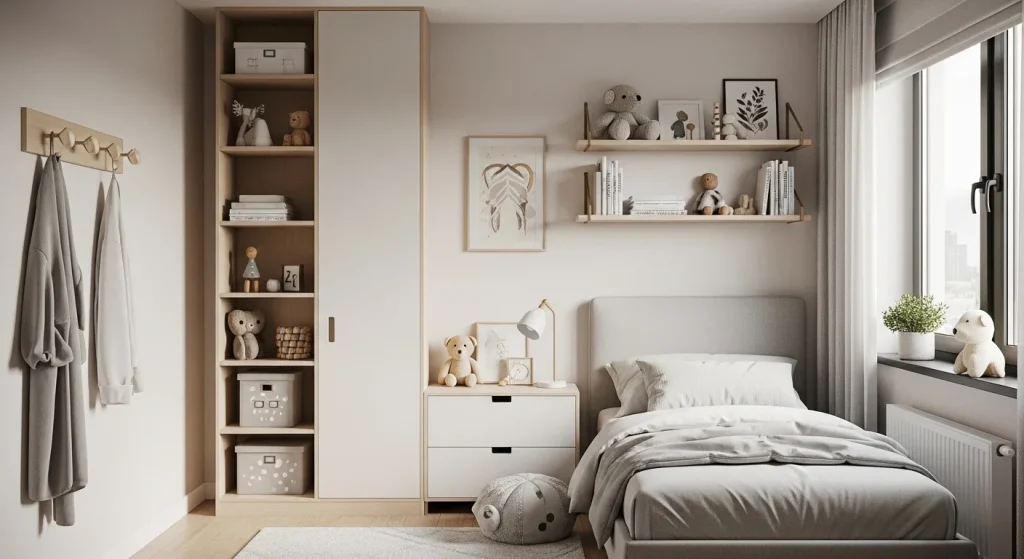
11. The Under-Bed Storage Efficiency Setup
Utilizing the space under the bed helps store items that are not needed every day while keeping them easily accessible. This reduces visible clutter in the room. It makes better use of existing space without adding furniture. The setup feels more organized and practical. It supports long-term storage needs. A hidden but effective solution.
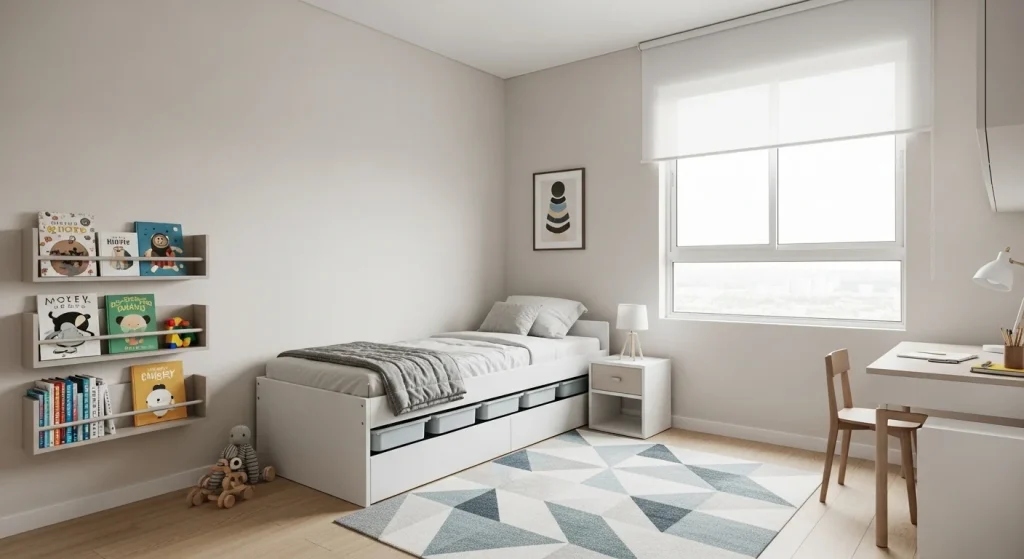
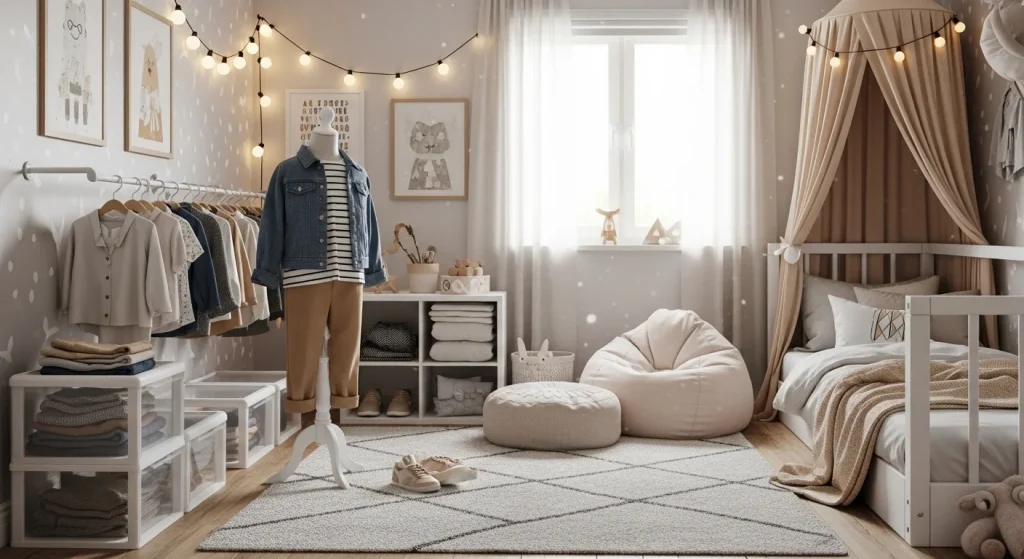
12. The Simple Outfit Planning Corner
Creating a small space for planning outfits ahead of time reduces morning stress significantly. Clothes are easy to see and select quickly. This helps kids prepare faster and more independently. The routine becomes smoother and more predictable. It saves time every day. A simple setup that improves daily flow.
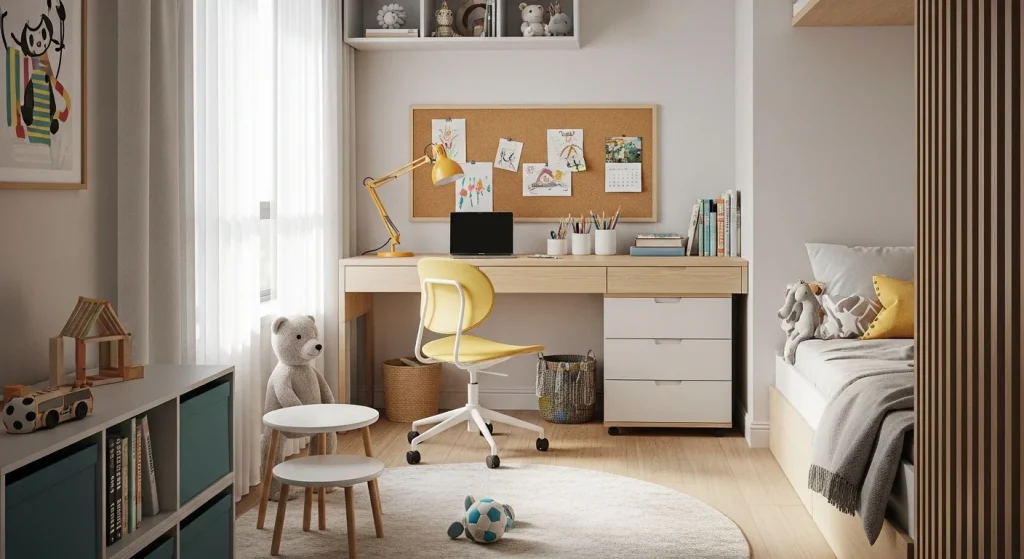
13. The Compact Study + Play Balance Setup
Combining a small study area with play space keeps everything in one manageable zone without overwhelming the room. It helps children transition easily between activities. The setup feels balanced and efficient. It reduces the need for multiple separate areas. The room stays organized throughout the day. A practical multi-use solution.
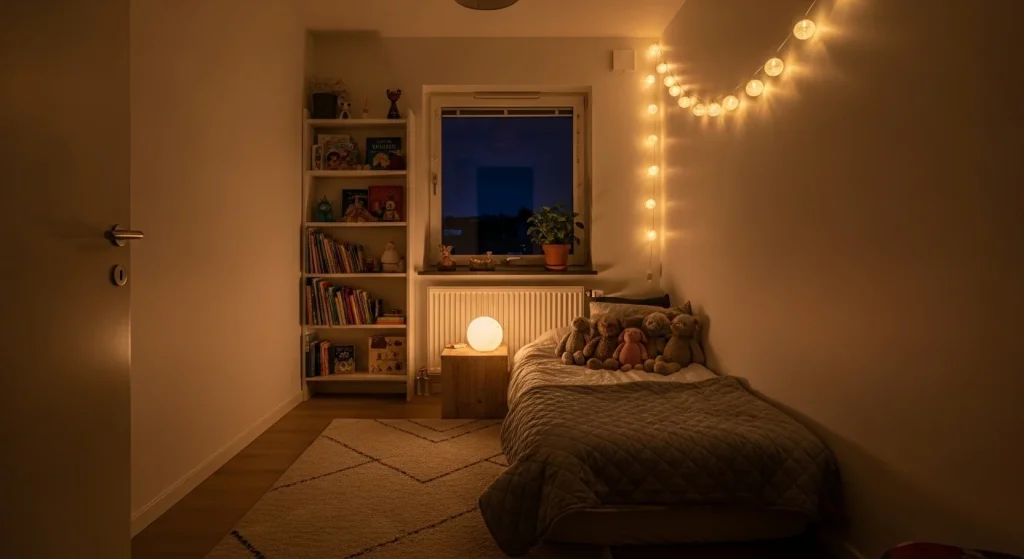
14. The Night Routine Calm Lighting Setup
Using soft lighting in the evening helps create a calm atmosphere that supports bedtime routines. It signals the transition from play to rest naturally. The room feels more relaxing and peaceful. Harsh lighting is avoided, reducing stimulation. This makes bedtime easier for kids. A simple but powerful change.
15. The Quick Reset End-of-Day System
Having a simple system to reset the room at the end of the day keeps everything under control long-term. A quick tidy-up routine prevents clutter from building up. The room starts fresh every morning. It reduces stress for both kids and parents. The space feels consistently manageable. A habit that makes life easier.
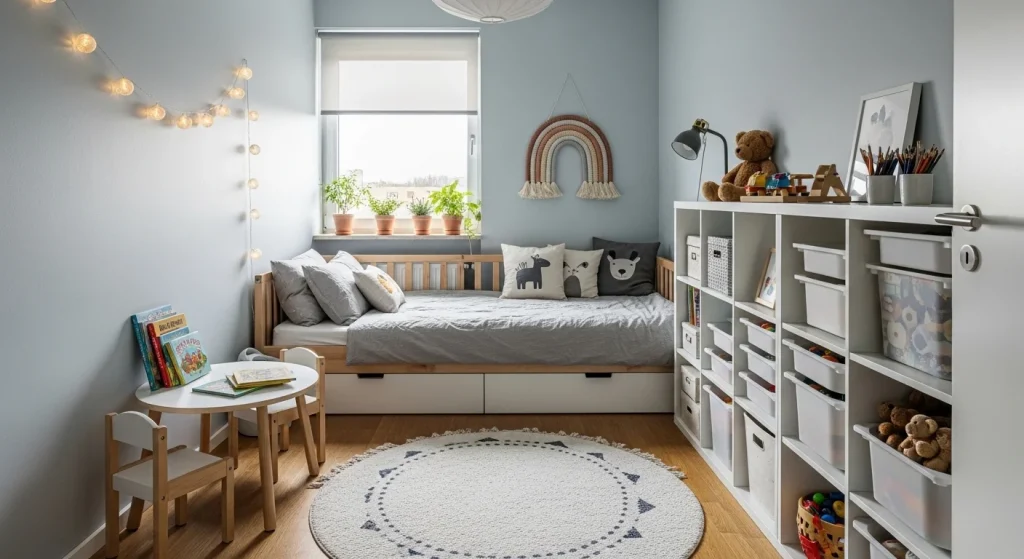
16. The Minimal Visual Clutter Approach
Reducing the number of visible items in the room helps create a calmer and more manageable environment. Too many objects can overwhelm both kids and parents. Keeping only essential and meaningful items improves focus. The room feels more open and balanced. It’s easier to maintain daily. A key principle for small spaces.
FAQs
1. How can I make a small kids room more functional?
Use smart storage, define clear zones, and keep the layout simple to improve usability.
2. What is the best storage solution for kids in small spaces?
Low shelves, baskets, and under-bed storage work best for easy access and organization.
3. How do I keep a kids room organized daily?
Create simple routines like quick clean-ups and labeled storage to maintain order.
4. How can I make the room easier for kids to use?
Keep everything at their level and make items easy to access and put away.