
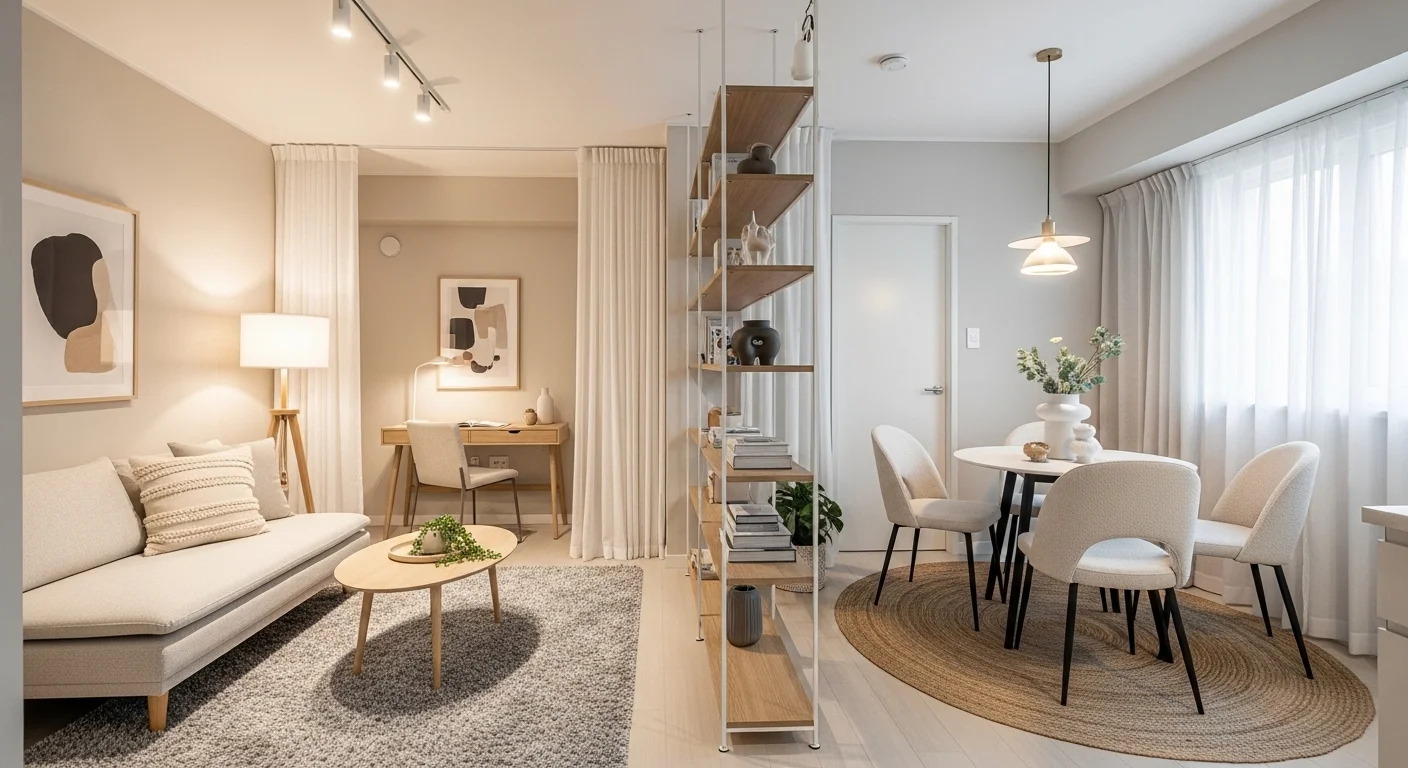
Open layouts in small apartments can feel overwhelming when everything blends into one space. Without clear separation, it becomes difficult to create a sense of structure, privacy, and functionality.
The good news is that with the right small apartment zoning ideas to create separate spaces, you can divide your home without building walls. Smart layout techniques and design elements can help you define areas for living, working, and relaxing.
In this guide, you’ll discover creative and practical zoning ideas that help organize your apartment while maintaining an open and stylish feel. These solutions are perfect for maximizing space and improving daily living.
1. Use Rugs to Define Different Areas
Open spaces can feel unstructured without visual boundaries. Rugs help define zones like living and dining areas without adding physical barriers. They create a clear separation while maintaining flow. This makes your apartment feel more organized and intentional. It’s one of the simplest zoning techniques.
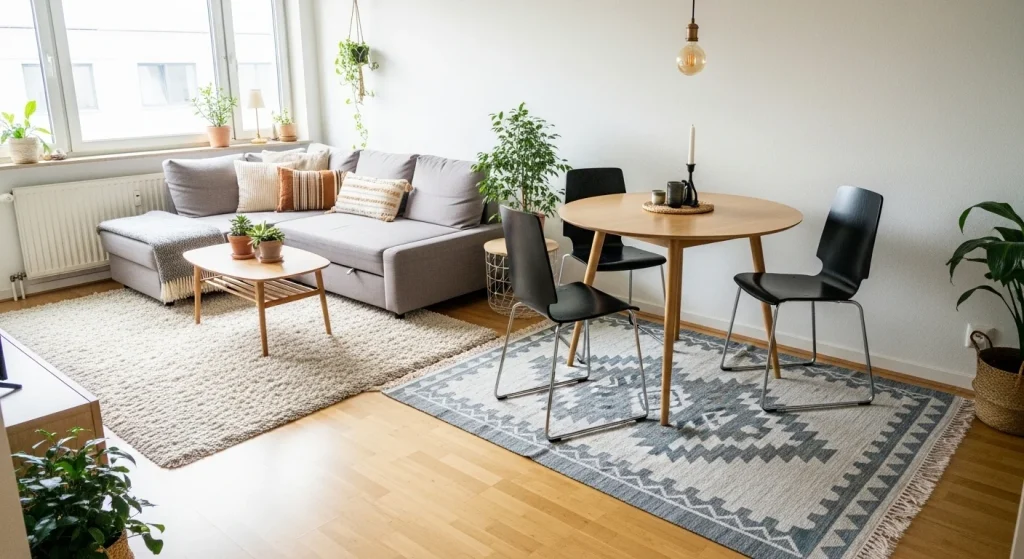
2. Use Furniture as Natural Dividers
Instead of adding walls, furniture can help create separation between spaces. Sofas, bookshelves, or consoles can act as dividers while still being functional. This keeps the layout open while adding structure. It also improves flow and usability. It’s a practical and stylish solution.
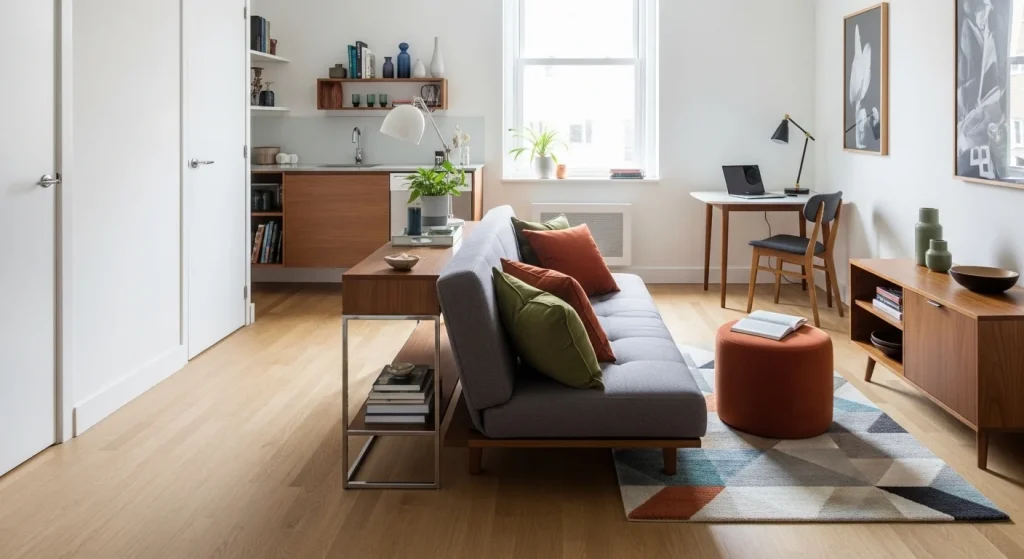
3. Create a Bedroom Zone with Curtains
Studio apartments often lack privacy for sleeping areas. Curtains provide a soft and flexible way to separate your bedroom from the rest of the space. They can be opened or closed as needed. This creates a cozy and private environment. It’s a renter-friendly zoning solution.
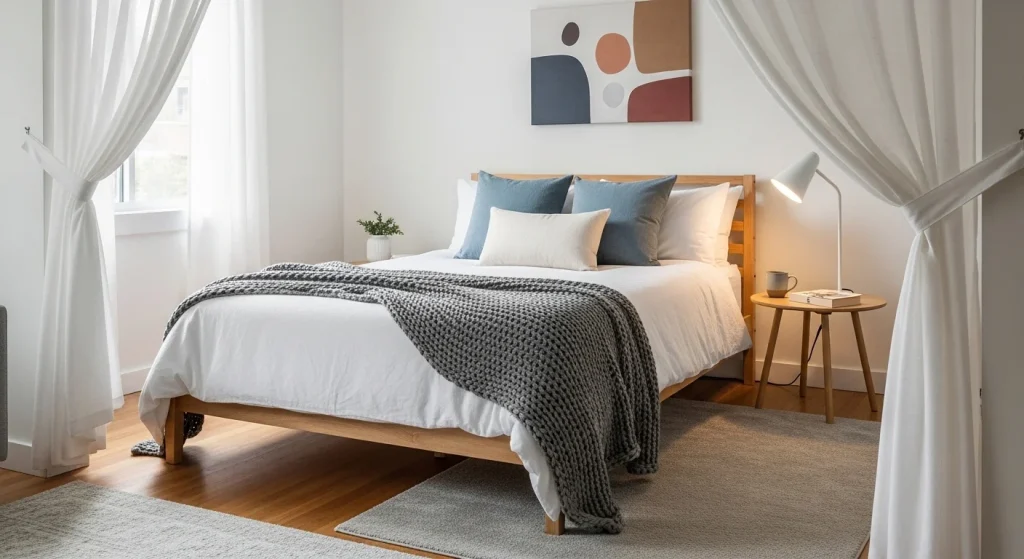
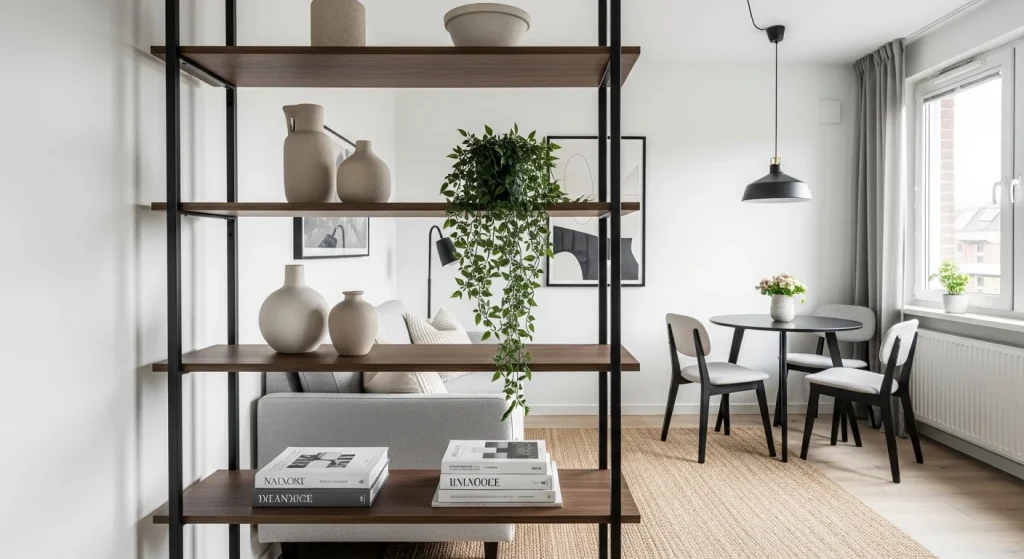
4. Use Open Shelving to Divide Spaces
Solid walls can make a small apartment feel cramped. Open shelving provides separation while allowing light to pass through. It creates zones without blocking visibility. This keeps your apartment feeling open and airy. It also adds extra storage.
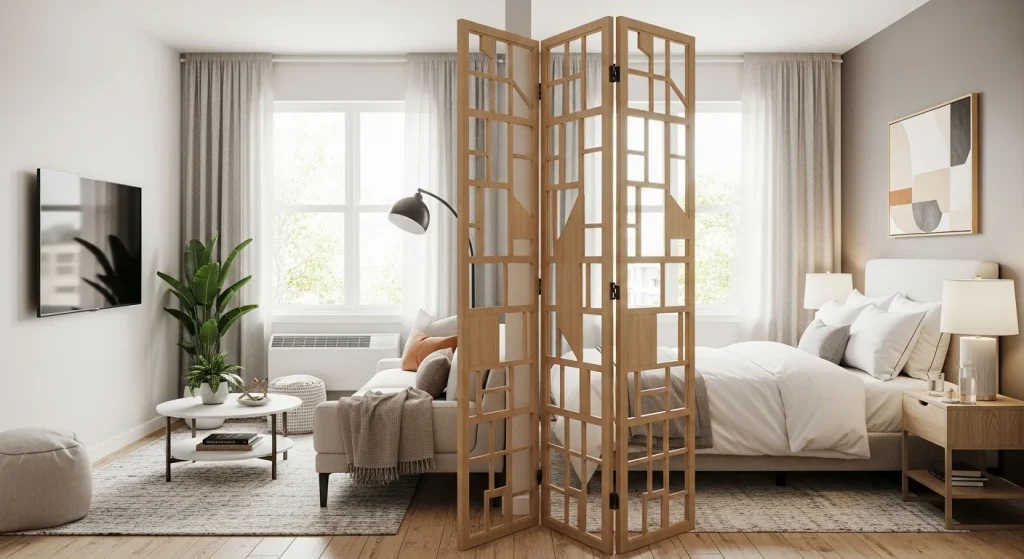
5. Add Folding Screens for Flexible Separation
Folding screens are a great way to create temporary zones in a small apartment. They can be moved and adjusted easily based on your needs. This makes your space more flexible and functional. It also adds a decorative element. It’s a simple yet effective zoning idea.
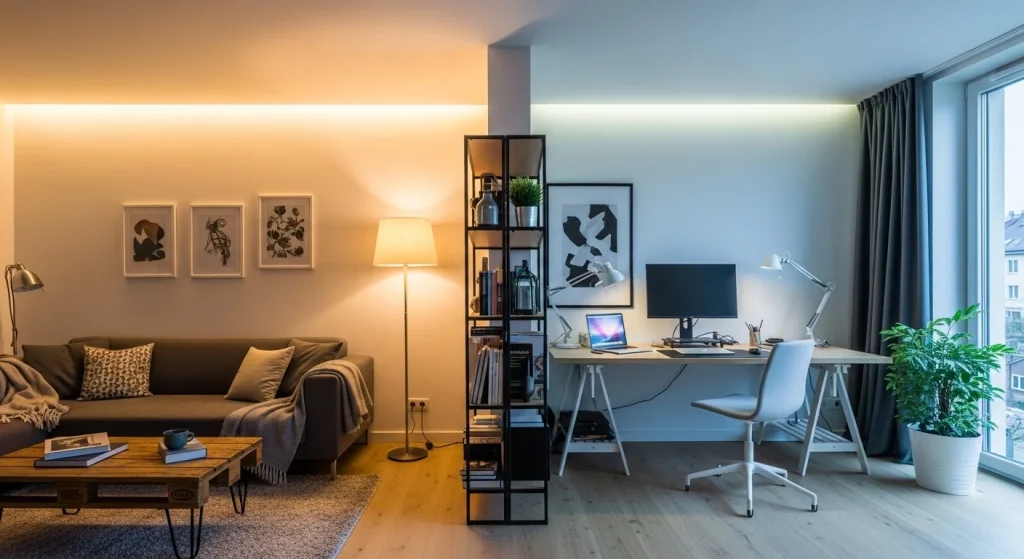
6. Use Lighting to Define Zones
Different lighting styles can help separate areas within your apartment. For example, brighter lights for workspaces and softer lighting for relaxation zones. This creates visual distinction without physical barriers. It also enhances ambiance and functionality. Lighting plays a key role in zoning.
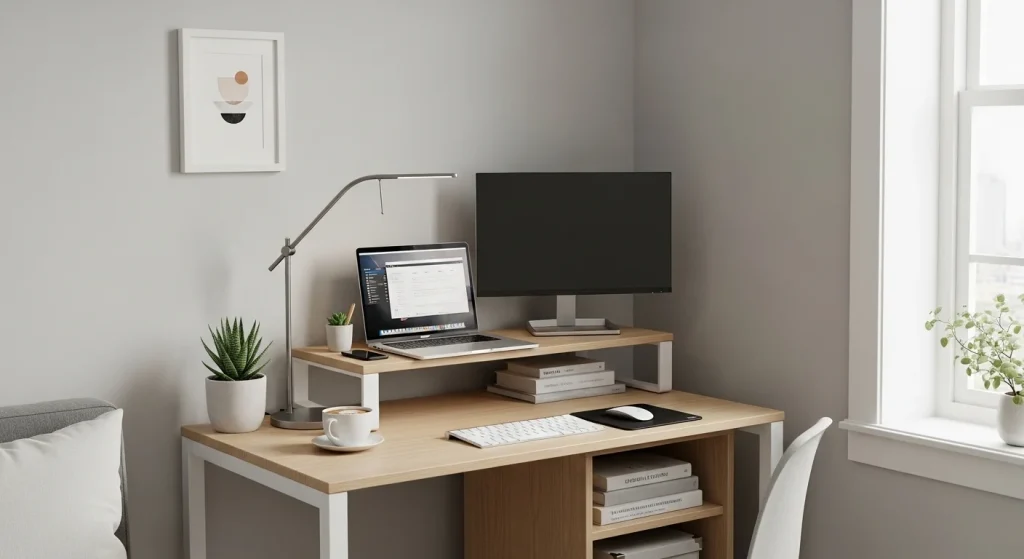
7. Create a Workspace Corner
Working in a shared space can be distracting without proper separation. Creating a dedicated workspace corner helps define a productive zone. Even a small desk can establish a clear boundary. This improves focus and organization. It’s essential for small apartment living.
8. Use Wall Colors or Panels to Separate Areas
Different wall colors or panels can visually divide spaces without adding walls. This creates a subtle yet effective zoning effect. It adds personality while improving structure. This technique works well in open layouts. It keeps your apartment stylish and organized.
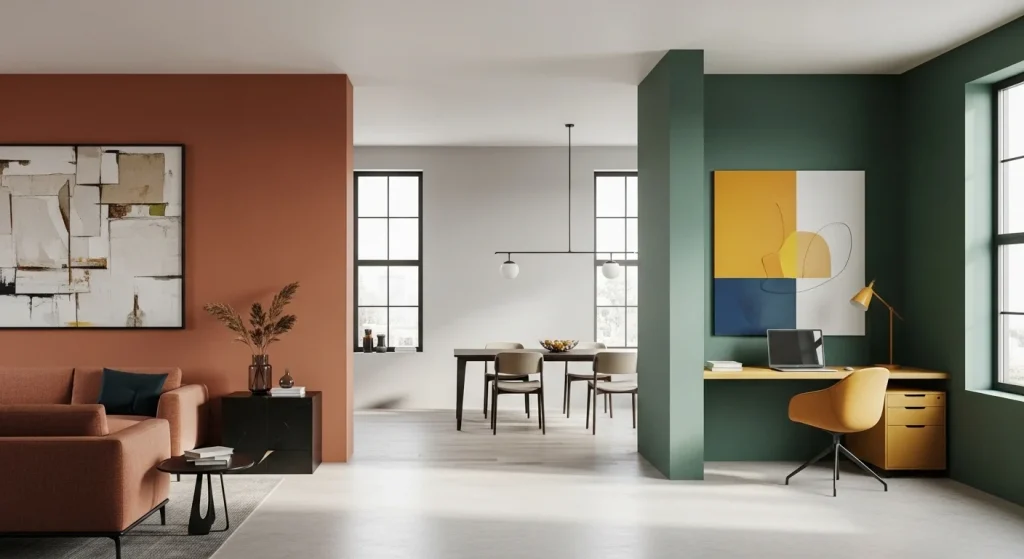
9. Add a Dining Zone with a Small Table
A designated dining area helps separate eating from other activities. Even a small table can create a defined dining zone. This improves organization and functionality. It also makes your apartment feel more structured. It’s a simple yet impactful idea.

10. Use Vertical Dividers for Space Separation
Vertical dividers like slatted panels or partitions can create clear separation without blocking light. They add a modern and stylish touch to your apartment. This helps define zones while maintaining openness. It’s a great option for contemporary interiors. It balances privacy and flow.
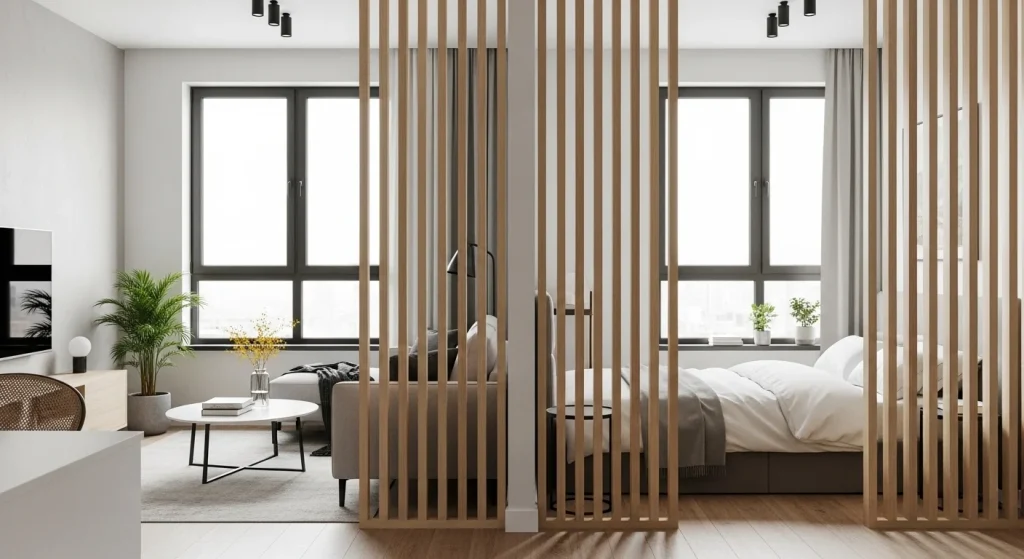
11. Use Sliding Doors Instead of Walls
Traditional walls can make a small apartment feel tight and boxed in. Sliding doors offer a flexible way to separate spaces without permanently closing them off. They allow you to open up the layout when needed and create privacy when required. This makes your apartment more dynamic and functional. It’s a modern space-saving solution.
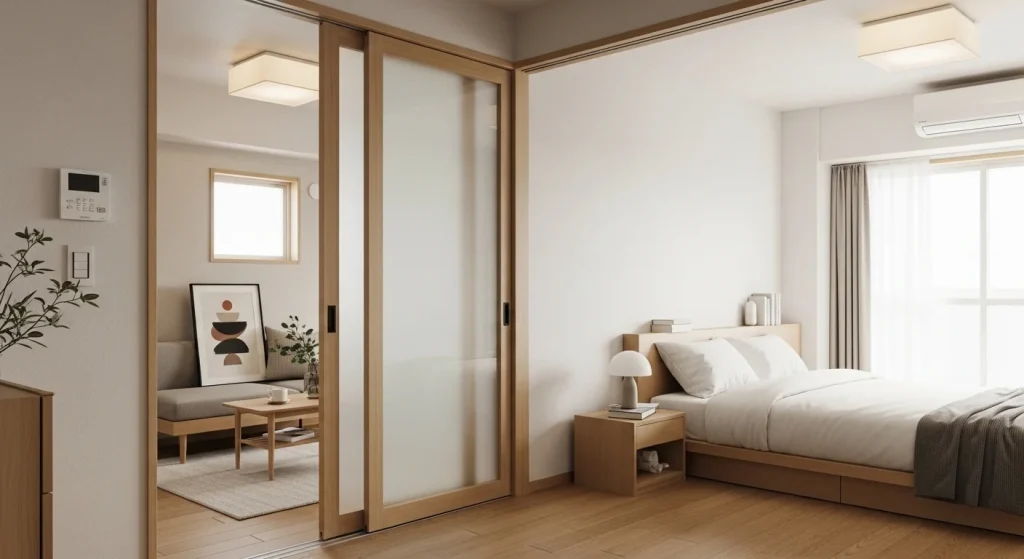
12. Create a Living Room Focal Zone
Defining a central living zone helps organize your entire apartment layout. A sofa, coffee table, and rug can clearly establish the living area. This separation improves flow and structure in open spaces. It also makes the home feel more intentional. A focal zone brings balance to small apartments.
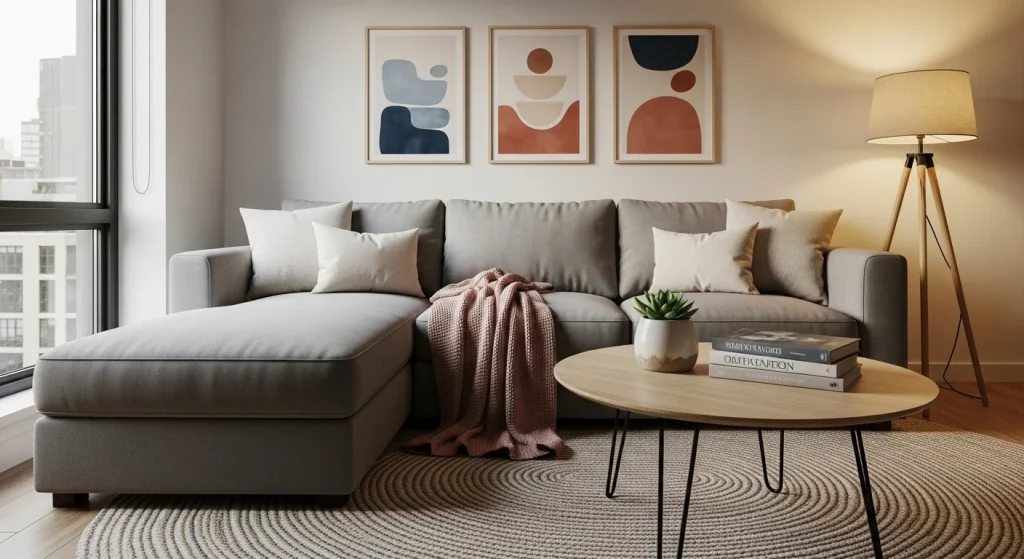
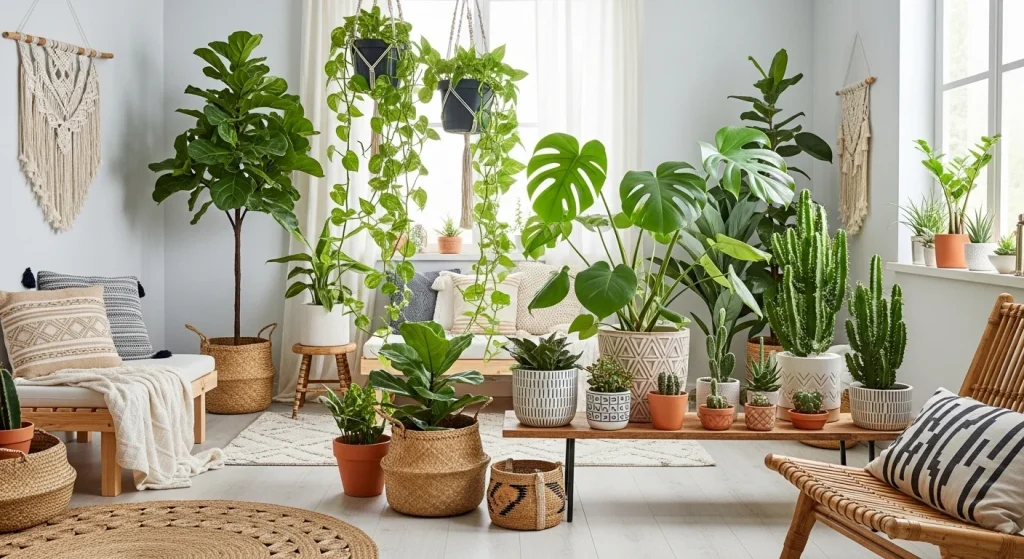
13. Use Plants as Natural Room Dividers
Plants are a beautiful way to separate spaces without making the room feel closed off. Tall plants or plant stands can subtly define different zones. They also improve air quality and add a fresh aesthetic. This creates a natural and calming environment. It’s a stylish and organic zoning method.
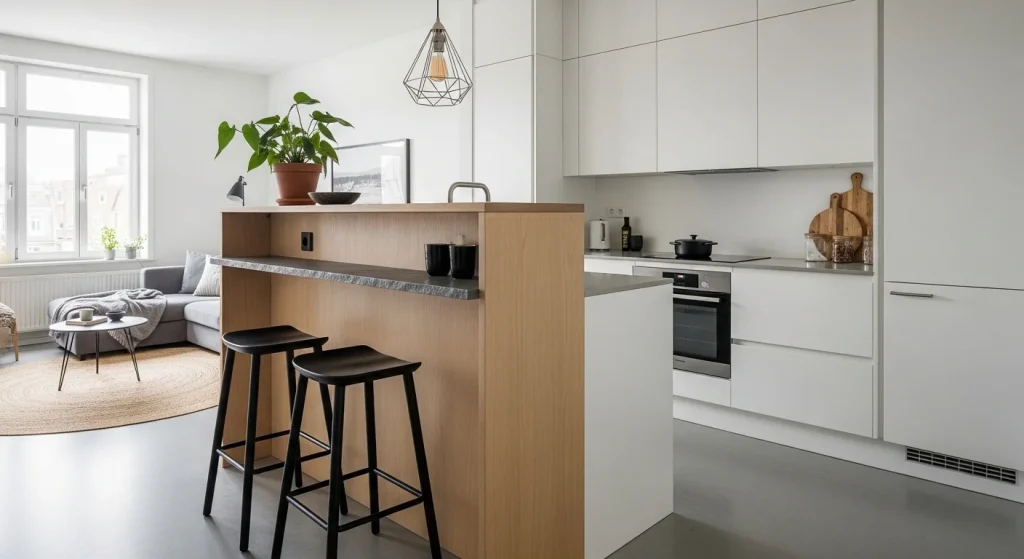
14. Add a Half-Wall Partition
A half-wall creates separation while still keeping the space open and bright. It visually divides areas like the kitchen and living room. This helps maintain structure without closing off the apartment. It also provides extra surface space for decor. It’s a balanced architectural solution.
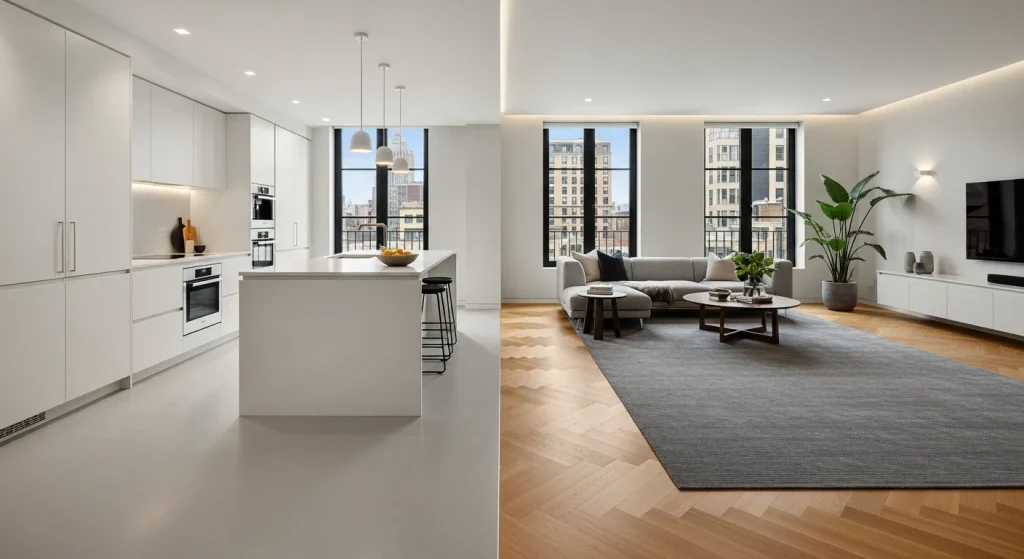
15. Use Different Flooring Styles for Each Zone
Changing flooring materials can clearly define separate areas. For example, tiles in the kitchen and wood in the living area. This creates a natural visual boundary. It also enhances the overall interior design. Flooring transitions help structure open spaces.
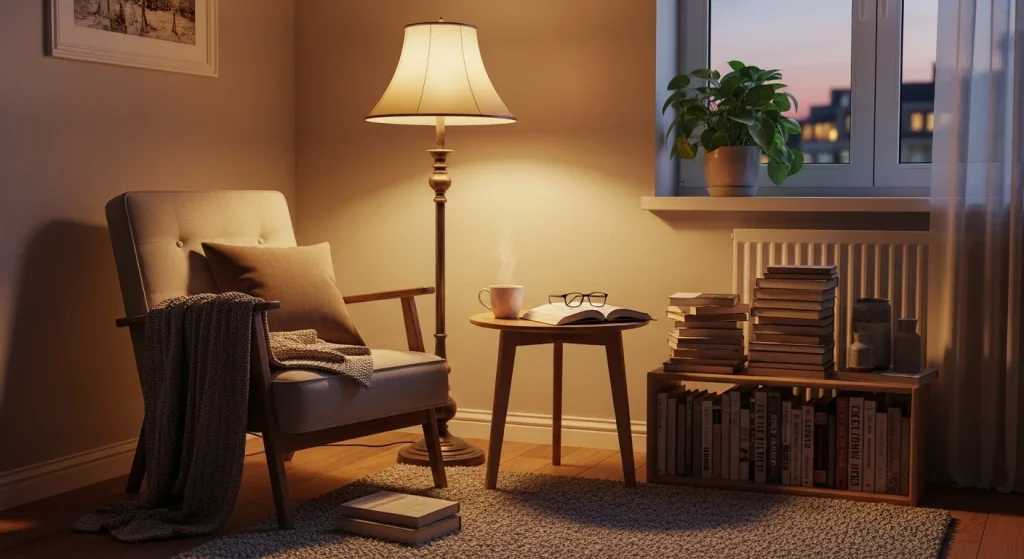
16. Create a Reading Corner Zone
Even small apartments can have dedicated relaxation areas. A reading corner with a chair and lamp defines a calm, separate space. This helps organize your home into functional zones. It also enhances comfort and lifestyle. Small corners can make a big impact.
17. Use Storage Units as Dividers
Storage furniture can double as room dividers in small apartments. Open cabinets or shelving units create separation while providing storage. This keeps your space organized and functional. It also avoids the need for extra furniture. It’s a smart multitasking solution.
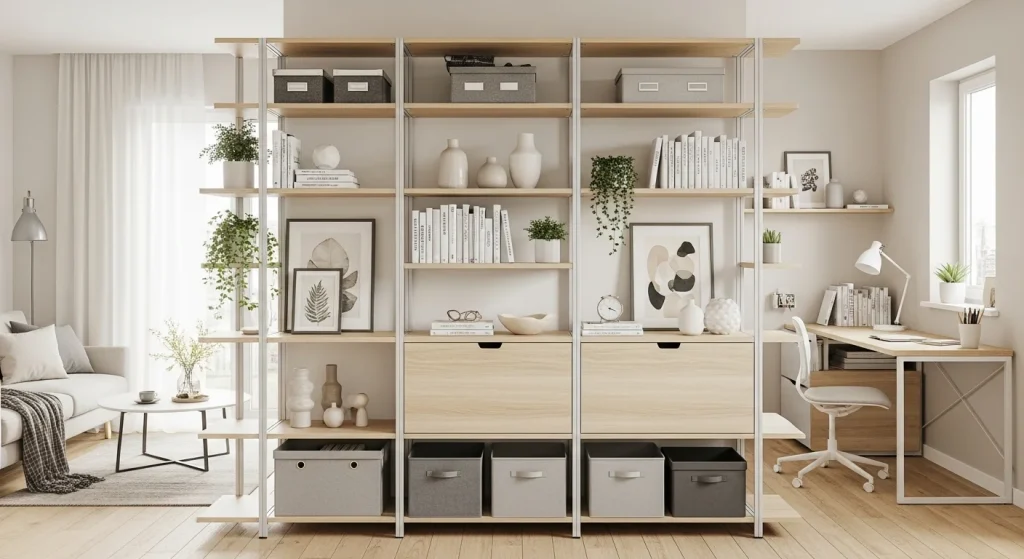
18. Define Zones with Ceiling Design
Ceiling design can also help visually separate areas in an open layout. Different lighting fixtures or ceiling textures create distinct zones. This adds depth and structure to your apartment. It’s a subtle yet powerful design trick. It enhances spatial organization.
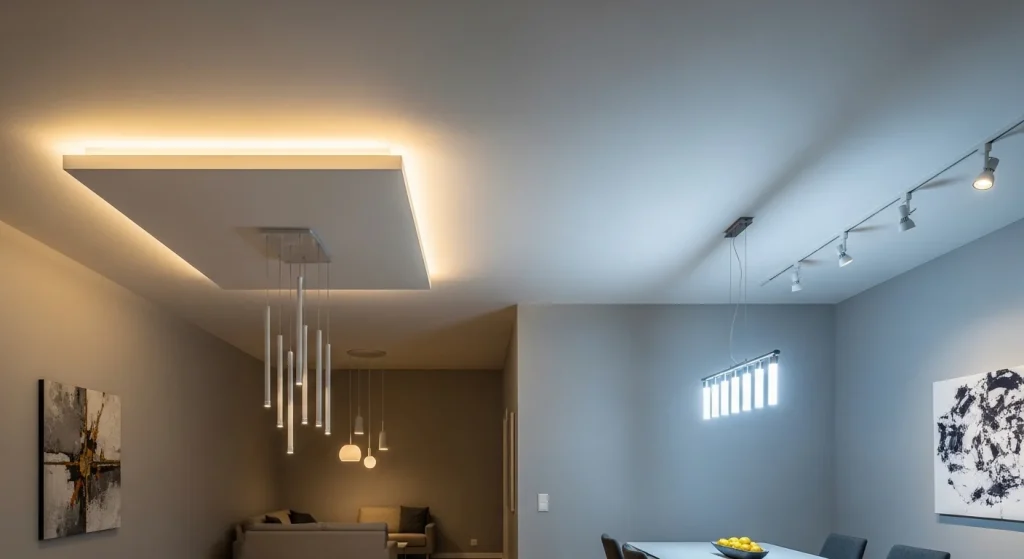
19. Use Color Blocking for Visual Separation
Color blocking helps divide spaces without physical barriers. Using different tones for walls or decor defines each zone clearly. This adds personality and structure to your apartment. It also enhances visual interest. It’s a creative and budget-friendly idea.
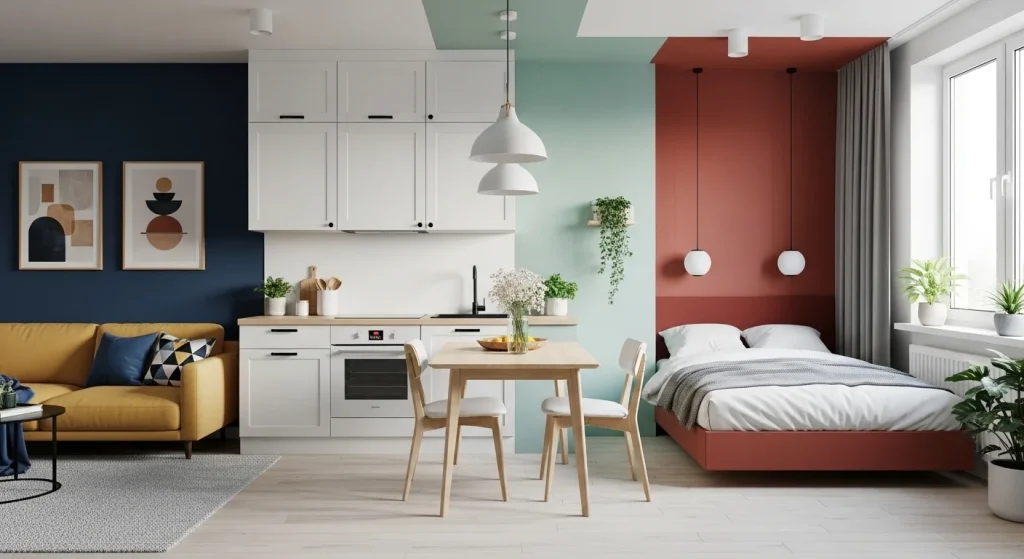
20. Keep Each Zone Minimal and Purpose-Driven
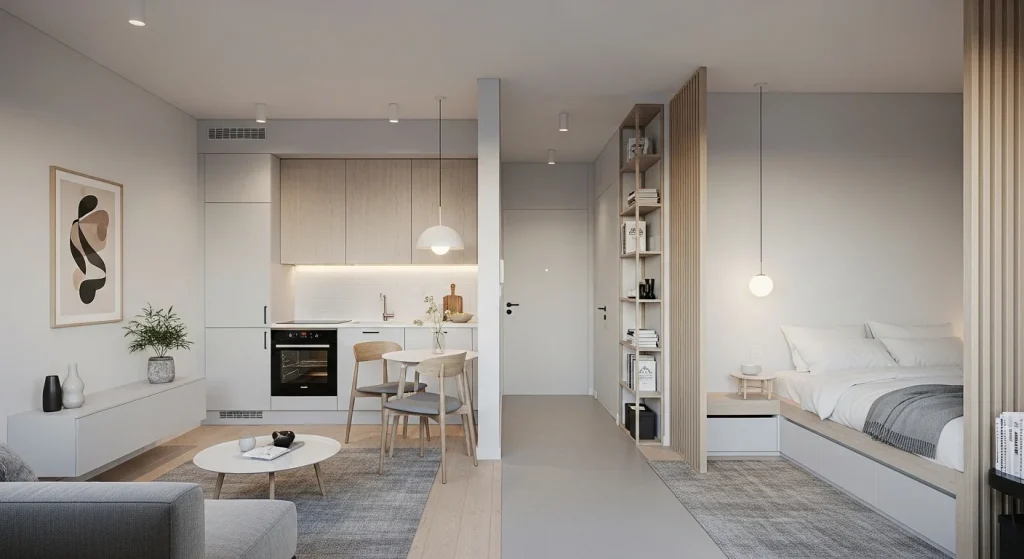
Overcrowding zones can defeat the purpose of organization. Keeping each area minimal ensures clarity and function. Every zone should serve a clear purpose like sleeping, working, or relaxing. This improves flow and reduces clutter. Simplicity makes small apartments feel larger.
FAQs
1. What is zoning in a small apartment?
Zoning is the process of dividing a small apartment into functional areas like sleeping, working, and living without using full walls.
2. How do I separate spaces in a studio apartment?
You can use rugs, furniture, curtains, lighting, and shelving units to visually or physically separate different areas.
3. What is the best way to create privacy in a small apartment?
Curtains, sliding doors, and open shelving are great options for creating privacy without making the space feel closed.
4. Does zoning make a small apartment feel bigger?
Yes, proper zoning creates structure and organization, which helps a small apartment feel more spacious and less cluttered.